

Table of Contents
- Why Supermarket Coffee Falls Short
- Quick Comparison: Alternatives to Supermarket Coffee Beans
- 1. Cuppari Coffee: Same-Day Roasted Freshness
- 2. Atlas Coffee Club: Global Single-Origin Exploration
- 3. Onyx Coffee Lab: Transparency and Award-Winning Quality
- 4. Counter Culture Coffee: Sustainability-Focused Specialty Roasting
- 5. Death Wish Coffee: Maximum Caffeine and Fair Trade Certification
- 6. Gigawatt Coffee Roasters: Air-Roasted Smoothness with Visible Roast Dates
Last Updated: July 27, 2026
Why Supermarket Coffee Falls Short
Most grocery store coffee sits on shelves for weeks or months before you buy it, losing peak flavor and aroma long before brewing. Supermarket coffee is roasted in massive batches designed for shelf stability, not peak flavor. Roasters prioritize consistency and long shelf life over the nuanced taste profiles that specialty coffee drinkers expect. Additionally, you rarely know when supermarket beans were roasted, many bags don't even display a roast date, making it impossible to assess freshness.
The good news: alternatives to supermarket coffee beans exist at every price point. Whether you want specialty single-origin options, fair trade certified beans, or maximum caffeine content, specialty roasters now ship directly to your door with guaranteed freshness. Many offer flexible subscriptions, transparent sourcing, and roast dates clearly marked on every bag.
Quick Comparison: Alternatives to Supermarket Coffee Beans
| Alternative | Best For | Freshness Guarantee | Shipping Speed |
|---|---|---|---|
| Cuppari Coffee | Same-day roasted freshness | Roasted after order placed | Ships same day |
| Atlas Coffee Club | Global single-origin exploration | Freshly roasted specialty | Standard subscription |
| Onyx Coffee Lab | Award-winning specialty quality | Roaster's choice curation | Per-order or subscription |
| Counter Culture Coffee | Sustainability-focused sourcing | Fresh-roasted delivery | Per-order or subscription |
| Death Wish Coffee | Maximum caffeine and bold flavor | Fair trade certified organic | Per-order or subscription |
| Gigawatt Coffee Roasters | Smooth, non-bitter air-roasted coffee | Roast date on every bag | Ships within 48 hours |
1. Cuppari Coffee: Same-Day Roasted Freshness
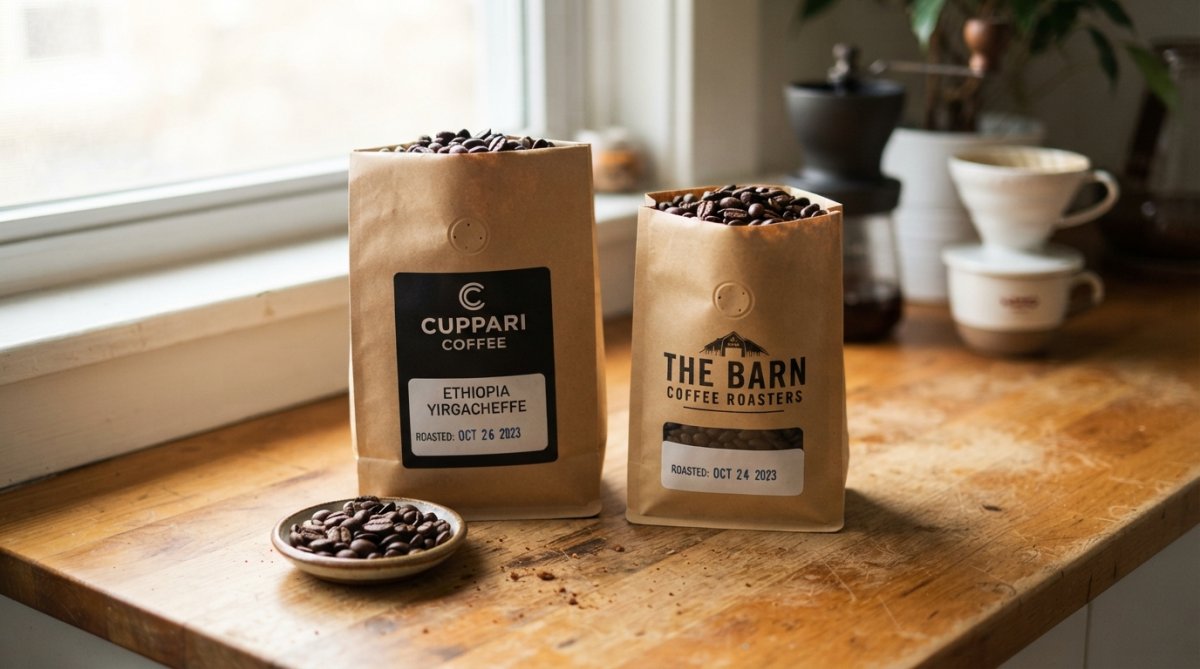
Cuppari Coffee eliminates the freshness problem by roasting beans only after you place an order, then shipping the same day. This guarantees you receive coffee at its absolute peak, typically arriving 2-4 days after roasting, the ideal window for maximum flavor extraction. The selection spans single-origin coffees, blends, flavored options, and convenient coffee pods alongside teas. Free shipping on all U.S. orders removes friction for first-time specialty coffee buyers.
What sets Cuppari Coffee apart is transparency, you know exactly when your beans were roasted. There's no guessing, no mystery "best by" dates. For drip coffee drinkers who want noticeably better results without complexity, this freshness guarantee alone justifies switching from supermarket brands.
2. Atlas Coffee Club: Global Single-Origin Exploration
Atlas Coffee Club delivers access to rare single-origin coffees from over 50 countries. Each month, subscribers receive 12oz bags featuring coffees sourced directly from specific farms and regions, transforming your morning routine into a global tasting experience. The subscription is flexible, adjust delivery frequency and bag count to match your consumption rate. Options include whole bean, ground for specific brew methods, or Keurig and Nespresso pods.
For coffee enthusiasts interested in tasting how terroir creates distinct flavor profiles, Atlas Coffee Club delivers educational value alongside exceptional beans. Each bag includes tasting notes and brewing recommendations tailored to that specific origin's characteristics.
3. Onyx Coffee Lab: Transparency and Award-Winning Quality
Onyx Coffee Lab operates as both a specialty roaster and cafe, meaning their sourcing and roasting decisions are driven by customer feedback, creating accountability that many larger roasters lack. The "Roaster's Choice" subscription delivers curated selections starting around $22 per shipment, representing excellent value for award-winning quality. Beyond beans, Onyx offers brewing equipment, grinders, scales, and pour-over devices, allowing you to optimize your entire brewing process.
For connoisseurs seeking meticulously sourced coffee with documented sustainability practices, Onyx eliminates the guesswork.
4. Counter Culture Coffee: Sustainability-Focused Specialty Roasting
Counter Culture Coffee prioritizes ethical sourcing and sustainability alongside quality, focusing on exceptional single-origin and specialty coffees roasted fresh and shipped directly to consumers. Pricing typically ranges from $16-$20 per 12oz bag, reflecting their commitment to sourcing practices that benefit coffee-producing communities. Every bag represents a traceable supply chain where farmers receive fair compensation.
If you care about the environmental and social impact of your coffee consumption, Counter Culture's transparency around sourcing practices makes them worth the premium over supermarket options.
5. Death Wish Coffee: Maximum Caffeine and Fair Trade Certification
Death Wish Coffee is marketed as the "world's strongest coffee" using USDA Organic and Fair Trade Certified Arabica and Robusta beans sourced from India, Peru, and Central/South America. At $19.99 for a 1lb bag, it costs more than supermarket options but less than many specialty single-origin roasters. Available in whole bean, ground, and single-serve options, it accommodates different brewing preferences.
The bold flavor profile appeals to coffee drinkers who want intensity and kick, not delicate tasting notes. If your morning routine prioritizes waking up over flavor exploration, Death Wish Coffee delivers a reliable, powerful alternative that also supports sustainable farming.
6. Gigawatt Coffee Roasters: Air-Roasted Smoothness with Visible Roast Dates
Gigawatt Coffee Roasters uses fluid-bed air roasting, a technique that eliminates bitterness common in traditionally drum-roasted coffee. Small-batch roasting by hand in Bensenville, Illinois ensures quality control at every stage. Most importantly, they clearly mark the roast date on every bag and ship within 24-48 hours of roasting.
The subscription option saves 10%, rewarding loyalty while maintaining flexibility. For coffee drinkers prioritizing smoothness and freshness visibility, Gigawatt represents an excellent alternative that balances quality with supporting independent American roasters.
Understanding Freshness and Roast Dates
The single most important factor separating specialty coffee from supermarket options is freshness. Coffee begins losing flavor immediately after roasting as volatile aromatic compounds evaporate and oxygen causes oxidation. The ideal consumption window is 3-7 days after roasting, when CO2 degassing is complete but flavor compounds remain intact.
Supermarket coffee rarely displays roast dates, making it impossible to assess age. Specialty roasters like Cuppari Coffee and Gigawatt prominently display roast dates because freshness is their competitive advantage. Look for a printed date on the bag, it should be recent, ideally within the last 2-3 weeks.
Whole Bean vs. Pre-Ground: Why It Matters
Whole bean coffee stays fresh significantly longer than pre-ground because it has less surface area exposed to oxygen. Ground coffee loses its peak flavor within 30 minutes of grinding due to rapid oxidation. When you grind beans immediately before brewing, you capture maximum flavor and aroma.
Pre-ground coffee serves a purpose for convenience-focused drinkers, but flavor suffers. If you lack a grinder, most specialty roasters offer grinding services tailored to your brew method. A burr grinder is one of the highest-impact upgrades you can make to your coffee routine.
Brew Method Optimization
The brewing method you choose dramatically affects how well you extract flavor from quality beans. Different brew methods extract at different rates. French press creates longer contact time between water and grounds, producing full-bodied cups. Pour-over methods use paper filters that remove oils, resulting in cleaner, brighter cups. Espresso requires precise grind size and tamping pressure.
When you switch to specialty coffee, invest time in understanding your brew method. Adjust variables like water temperature, contact time, and grind size. Quality beans only shine when brewing technique matches the method.
Supporting Ethical Sourcing and Transparency
Many specialty roasters emphasize fair trade certification, direct relationships with farmers, and sustainable farming practices. These commitments cost more than commodity coffee sourcing, which is why specialty options cost more than supermarket beans. Fair trade certification ensures coffee farmers receive minimum prices that support sustainable livelihoods.
When you choose alternatives to supermarket coffee beans from roasters emphasizing ethical sourcing, you're voting with your wallet for more equitable supply chains.
Making the Switch: Practical Next Steps
Start by identifying your primary brewing method and consumption rate. Order a single bag from one of these roasters to test before committing to a subscription. Most offer competitive first-order pricing. Pay attention to the roast date and note how flavor evolves over the following weeks.
Once you find a roaster you enjoy, consider a subscription if it offers flexibility. Most allow you to pause, skip, or adjust frequency without penalties. Subscriptions often include discounts (10-15% savings are typical) that offset the premium of specialty coffee.
The difference between supermarket coffee and specialty alternatives is immediately noticeable in your first cup. Cuppari Coffee's same-day roasting model guarantees maximum freshness, delivering beans at their absolute peak flavor. With free shipping on all U.S. orders, transparent roast dates on every bag, and a diverse selection including single-origin, blends, and convenient pods, switching from supermarket coffee has never been more accessible. Experience the goodness of freshly roasted coffee beans delivered straight to your doorstep, your morning routine deserves better than stale supermarket options.
Frequently Asked Questions
What makes alternatives to supermarket coffee beans actually better?
Premium alternatives offer guaranteed freshness through roast dates clearly marked on packaging, with beans typically roasted within days before shipment. Supermarket coffee often sits for months before purchase, losing flavor complexity and aroma. Specialty roasters also use higher-quality single-origin beans with transparent sourcing, while supermarket options are often commodity-grade blends designed for consistency, not taste. You'll notice improved body, acidity balance, and distinct flavor notes in freshly roasted alternatives.
Are specialty coffee subscriptions worth the cost compared to grocery store coffee?
Yes, if freshness matters to you. Subscription services roast beans after your order and ship within 24-48 hours, keeping coffee in its optimal 3-7 day window. Most offer flexible scheduling, you can pause or skip months without penalty. While pricing depends on quantity and roast level, the difference in cup quality is noticeable for drip coffee, pour over, and French press brewing. Many subscriptions offer first-time discounts and adjustable delivery frequency, making them more flexible than buying bulk at the supermarket.
How do I decode roast dates and choose fresh beans when buying local coffee roasters near me?
Look for a printed roast date on the bag, it should be within 1-2 weeks of purchase for optimal flavor. Bags marked with only a best-by date are harder to evaluate. Ask the roaster directly about roast date if it's not visible. Fresh beans will have a strong aroma when you open the bag. Avoid pre-ground coffee at local roasters unless you're brewing immediately; whole beans stay fresh 2-3 weeks if stored in an airtight container away from light and heat. Many specialty roasters display roast times on their website too.
What's the difference between whole bean and pre-ground coffee for brew method optimization?
Whole beans preserve flavor and aroma much longer, up to 3-4 weeks in proper storage, while ground coffee oxidizes within days, losing complexity. Grind size directly affects extraction: coarse for French press, medium for drip, fine for espresso. Grinding just before brewing maximizes flavor. If you buy pre-ground, use it within a week and store in an airtight container. Whole bean gives you control over grind size based on your brewing method, resulting in better-tasting coffee across pour overs, espresso machines, and automatic drip makers.
Are there quality coffee substitutes no caffeine that match the flavor of premium roasted beans?
Decaffeinated specialty coffee from roasters like Counter Culture, Onyx, and Cuppari uses advanced water-process or CO2 decaffeination that preserves more flavor than supermarket decaf. Look for roast dates on decaf beans just as you would regular coffee. Some people also explore herbal coffee alternatives like chicory blends or roasted grain beverages, though these taste distinctly different. For true coffee flavor without caffeine, decaf from specialty roasters, especially lighter roasts that retain more acidity and complexity, is your best option.
This article was written using GrandRanker