

Table of Contents
- Are Compostable Coffee Pods Worth It? The Core Question
- Compostable Coffee Pods: Pros and Cons
- Environmental Impact of Compostable Coffee Pods
- Cost Comparison: Are Compostable Pods More Expensive?
- How to Dispose of Compostable Coffee Pods Correctly
- Comparing Top Compostable Pod Brands
- Taste and Quality: Do Compostable Pods Deliver?
- Who Should Switch to Compostable Coffee Pods?
Are Compostable Coffee Pods Worth It? A 2026 Guide
Last Updated: July 18, 2026
When deciding between conventional aluminum pods and compostable alternatives, the question becomes unavoidable: are compostable coffee pods worth it? This guide examines whether the environmental promise and premium pricing of compostable pods actually deliver value. We'll break down the real costs, environmental impact, disposal challenges, and taste quality so you can make an informed decision.
The short answer: it depends on your priorities, access to composting facilities, and how much you care about reducing landfill waste.
Are Compostable Coffee Pods Worth It? The Core Question
The worth of compostable coffee pods hinges on three factors: your environmental values, your budget flexibility, and whether you actually have access to industrial composting facilities. A pod that claims to be "compostable" but ends up in a landfill delivers zero environmental benefit.
According to research from environmental waste management standards, most municipal waste systems cannot process compostable plastics effectively, meaning they often decompose in landfills rather than composting facilities. This gap between marketing claims and real-world disposal options is where many buyers feel disappointed.
The taste and quality question is equally important. Premium compostable pods from brands like Woken Coffee and Halo Coffee often feature specialty-grade beans, which means you're paying partly for better coffee, not just for the compostable packaging.
Compostable Coffee Pods: Pros and Cons
Key Advantages
Switching to compostable coffee pods offers genuine environmental and quality benefits, if you can actually use them as intended. The most significant advantage is waste reduction. Conventional aluminum pods persist in landfills for centuries, while certified compostable pods break down within months in proper composting environments.
Quality is another underrated advantage. Many compostable pod manufacturers focus on specialty-grade coffees because their target market values both environmental responsibility and taste. Woken Coffee, for example, sources 100% Arabica beans roasted in the USA and holds certifications from Compost HOME, BPI Seedling, and DIN CERTCO.
Convenience remains unchanged. You still get the speed and consistency of pod-based brewing without any additional effort during the brewing process. Brand alignment is real too, many consumers report genuine satisfaction from making choices that reflect their environmental concerns.
Key Disadvantages
The fundamental problem with compostable coffee pods is availability of composting infrastructure. Most compostable pods require industrial composting facilities operating at 55-60°C, which most home compost bins cannot achieve.
Cost is the second major barrier. Compostable pods typically cost 2-3 times more per unit than conventional aluminum pods. For a household brewing 1-2 cups daily, this translates to meaningful annual expenses.
Compatibility issues limit your options. Woken and Halo pods only work with Nespresso OriginalLine machines. Lavazza Eco Caps require Lavazza A Modo Mio machines. If you own a different machine type, your compostable options shrink dramatically.
Finally, disposal remains imperfect. Even when you have access to industrial composting, you must actively separate compostable pods from regular waste, which requires ongoing behavioral change.
Environmental Impact of Compostable Coffee Pods
The environmental benefit of compostable coffee pods is real but conditional. When processed in certified industrial composting facilities, these pods break down completely within 180 days, returning to soil without toxic residue. However, a compostable pod in a landfill behaves like conventional plastic, and a compostable pod in your home compost bin won't fully break down because residential temperatures don't reach the required 55-60°C.
Research from lifecycle assessment of coffee pod systems shows that the overall environmental footprint of compostable pods includes manufacturing emissions, transportation, and end-of-life processing. The environmental savings only materialize if industrial composting actually occurs.
The water usage and agricultural impact of coffee production itself dwarfs the packaging question. A single cup of coffee requires approximately 140 liters of water to grow, process, and brew. That said, if your region has strong industrial composting infrastructure, the environmental case for compostable pods strengthens considerably.
Cost Comparison: Are Compostable Pods More Expensive?
Price Per Pod Across Brands
Compostable pods carry a consistent premium over conventional options. Woken Coffee subscriptions cost approximately $30 per month for 40 capsules, translating to roughly $0.75 per pod. Halo Coffee prices around £0.70-£0.80 per pod (approximately $0.89-$1.02 USD). Lavazza Eco Caps cost approximately £4.40 for 16 capsules (about $5.60 USD), or roughly $0.35 per pod.
For comparison, conventional aluminum pods typically cost $0.15-$0.30 per pod when purchased in bulk. This means compostable specialty pods cost 3-7 times more than conventional alternatives.
Long-Term Value Considerations
The cost premium becomes more palatable when you factor in coffee quality. Woken and Halo both source specialty-grade beans, which command higher prices regardless of packaging. You're not paying entirely for compostability, you're paying for better coffee plus the environmental benefit.
The subscription model matters too. Woken's subscription pricing is more favorable than one-time purchases, rewarding committed customers.
| Brand | Cost Per Pod | Pod Type | Best Value For |
|---|---|---|---|
| Woken (subscription) | ~$0.75 | Home-compostable | Committed Nespresso users |
| Halo | ~$0.95 | Home-compostable | Luxury specialty seekers |
| Lavazza Eco | ~$0.35 | Industrial-compostable | Lavazza machine owners |
| Conventional pods | $0.15-$0.30 | Aluminum | Budget-conscious brewers |
How to Dispose of Compostable Coffee Pods Correctly
Proper disposal is where compostable pods reveal their real-world complexity. The method matters enormously because incorrect disposal negates the environmental benefit entirely.
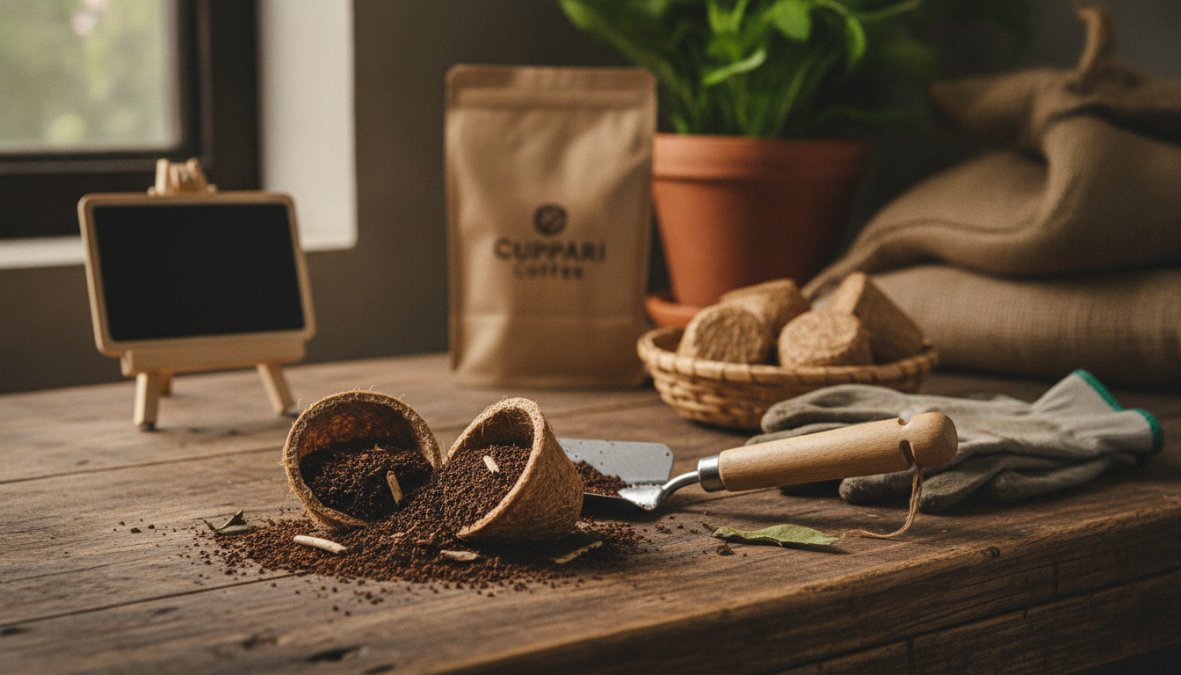
Home Composting vs. Industrial Facilities
Home composting is the most convenient option, but it only works if you have a properly maintained compost bin reaching 55-60°C. Most residential compost piles operate at 40-50°C and take 12-24 months to break down material. Compostable pods may partially degrade but won't fully decompose in these conditions.
Industrial composting facilities are the intended destination for most compostable pods. These facilities maintain optimal temperature, moisture, and aeration to fully break down certified compostable materials within 180 days.
The critical step: check whether your municipality accepts compostable pods in its industrial composting program. Many facilities actually reject them because they're difficult to identify during sorting and can contaminate batches. Call your local composting facility or check their website before assuming acceptance.
If industrial composting isn't available in your area, you have limited options. Some manufacturers offer mail-back programs where you return used pods for proper processing, though this adds friction and environmental cost through shipping.
Comparing Top Compostable Pod Brands
Woken Coffee: Premium Specialty Grade
Woken Coffee positions itself at the premium end of the compostable pod market, emphasizing both environmental responsibility and coffee quality. Their 100% Arabica beans are roasted in the USA and sourced with attention to ethical practices.
The pods are certified home-compostable through Compost HOME, BPI Seedling, and DIN CERTCO. The capsules are free from plastic, aluminum, BPA, and PFAS. Compatibility is limited to Nespresso OriginalLine machines. The subscription model starts at approximately $30 per month for 40 capsules.
For committed Nespresso OriginalLine users who value environmental responsibility and don't mind premium pricing, Woken is the strongest choice in the compostable space.
Halo Coffee: Luxury Specialty Blends
Halo Coffee emphasizes luxury and exclusivity, offering specialty-grade coffees in fully compostable capsules. Their packaging uses vegetable-based materials or waste sugar cane fiber, extending environmental responsibility beyond just the pod itself.
Pricing sits at approximately £0.70-£0.80 per pod (roughly $0.89-$1.02 USD). Halo's compostable capsules are certified home-compostable, and the entire packaging decomposes in industrial facilities. Like Woken, Halo requires Nespresso OriginalLine machines.
Halo suits luxury-focused coffee drinkers who see compostable pods as part of a broader premium lifestyle choice.
Lavazza Eco Caps: Mainstream Accessibility
Lavazza Eco Caps represent the most accessible entry point to compostable pods because of their pricing and compatibility. At approximately £4.40 for 16 capsules (roughly $5.60 USD, or $0.35 per pod), they're significantly cheaper than Woken or Halo while still offering environmental benefits.
These capsules are industrially compostable and compatible with all Lavazza A Modo Mio machines. Quality is solid but not specialty-grade. For everyday coffee drinkers who want environmental responsibility without premium pricing, Lavazza Eco Caps deliver good value.
Taste and Quality: Do Compostable Pods Deliver?
Quality varies significantly by brand, and compostability doesn't guarantee great taste. However, many compostable pod manufacturers deliberately source specialty-grade beans, meaning they often outperform conventional pods in taste.
Woken and Halo both emphasize specialty sourcing and roasting. Their coffees tend to have more complexity, origin-specific character, and balanced flavor profiles compared to mass-market pods.
Lavazza Eco Caps deliver solid, consistent espresso quality, comparable to Lavazza's conventional aluminum pods. The compostable material doesn't negatively impact taste. The pod material itself can subtly affect extraction, but in practice, this difference is minor.
Who Should Switch to Compostable Coffee Pods?
Compostable pods make sense for specific audiences. If you check most of these boxes, the switch likely delivers value:
- You own a compatible machine (Nespresso OriginalLine or Lavazza A Modo Mio)
- Your municipality offers industrial composting that accepts compostable pods (verify this first)
- You brew 1-2 cups daily and can absorb the cost premium
- Environmental impact influences your purchasing decisions
- You're willing to maintain the discipline of separating compostable pods from regular waste
You should probably skip compostable pods if:
- Your area lacks industrial composting infrastructure
- You own a machine with no compatible compostable options
- Budget is your primary concern
- You brew occasionally and view coffee as a functional beverage
- You're skeptical about whether the environmental benefit justifies the cost premium
If you're curious but uncertain, try a single box of compostable pods before committing to a subscription.
The decision to switch to compostable coffee pods ultimately reflects your values and circumstances rather than a universal right answer. If you have access to industrial composting, appreciate specialty coffee, and want to reduce your environmental footprint, compostable pods are genuinely worth it. If infrastructure or budget constraints make the switch impractical, conventional pods remain a reasonable choice, and you can reduce your impact through other means.
Frequently Asked Questions
Do compostable coffee pods actually decompose, or do they just break down into microplastics?
Certified compostable coffee pods do genuinely decompose, but only in the right environment. Home-compostable pods (certified by standards like Compost HOME or BPI Seedling) break down in residential compost within 12 weeks. Industrially compostable pods require commercial composting facilities and decompose faster. The key is certification: look for BPI, DIN CERTCO, or Compost HOME labels. Without proper certification, pods marketed as 'compostable' may not fully degrade.
Are compostable coffee pods worth the extra cost compared to standard aluminum pods?
It depends on your priorities. Compostable pods typically cost 20-40% more per pod than standard aluminum alternatives. However, if you have access to industrial or home composting and value environmental impact, the premium may be justified. For budget-conscious buyers without composting access, the higher cost combined with limited disposal options makes them less worthwhile. Consider your local composting infrastructure before deciding.
Can I put compostable coffee pods in my home compost bin, or do they need industrial composting?
It depends on the certification. Home-compostable pods (like Woken Coffee) are specifically designed to break down in residential compost bins within 12 weeks. Industrially compostable pods (like Lavazza Eco Caps) require commercial facilities and won't fully decompose in home compost. Always check the packaging for 'home compostable' or 'industrial compostable' labels. If your area lacks industrial composting, home-compostable pods are the better choice.
Do compostable coffee pods taste different from regular pods, and is the quality worth it?
Quality depends on the brand, not the compostability. Specialty-grade compostable pods like Woken and Halo deliver premium taste comparable to high-end conventional pods. However, they're more expensive. Lavazza Eco Caps maintain the same taste as their aluminum counterparts. The real question: are you paying extra for environmental benefits or for better coffee? If it's just compostability driving your choice, standard quality pods may satisfy you equally well.
This article was written using GrandRanker