

Table of Contents
- Why Buying Coffee Online Beats the Grocery Store
- The Roast Date Importance for Peak Flavor
- Fresh Coffee Beans for Sale: Direct from Roasters
- Coffee Subscription Benefits and Flexibility
- Variety and Selection You Won't Find Locally
- Storage and Preservation Techniques for Online Orders
- Cost-Effectiveness and Free Shipping Advantages
- Conclusion
Last Updated: August 29, 2026
Why Buying Coffee Online Beats the Grocery Store
Grocery store coffee is already stale by the time you buy it. Most supermarket beans sit on shelves for weeks or months, losing flavor long before you brew a cup. When you buy coffee online directly from roasters, you're getting beans roasted days or hours before they arrive at your door.
This shift from grocery store to direct-to-consumer changes everything about your morning cup. You gain control over freshness, selection, and cost in ways shelf shopping can't match. Online coffee sources let you access specialty roasters and single-origin beans that your local store will never stock. Below, we'll walk through exactly why buying coffee online has become the smarter choice.
The Roast Date Importance for Peak Flavor
The roast date is the most critical piece of information on any coffee bag, yet most grocery store bags don't even display one. Coffee reaches its optimal taste window between 3 and 14 days after roasting (peer-reviewed research). During this period, the beans have released their initial CO2 but haven't yet begun oxidation that degrades flavor compounds. A roast date tells you exactly where you fall in that window. Grocery store coffee, roasted weeks or months ago, has already passed through this sweet spot entirely.
Online roasters publish roast dates as standard practice. Some even allow you to specify your preferred roast date when ordering, choosing beans roasted just days before shipment. Coffee within its peak window tastes brighter, with clearer acidity, more pronounced tasting notes, and richer body. Past that window, the same beans taste flat and muted. Once you've experienced peak-window coffee, grocery store options feel like a compromise you'll never accept again.
Fresh Coffee Beans for Sale: Direct from Roasters
When you buy fresh coffee beans for sale online, you're purchasing directly from the source that roasted them hours or days earlier. This eliminates the middleman markup and storage delays that plague retail channels.
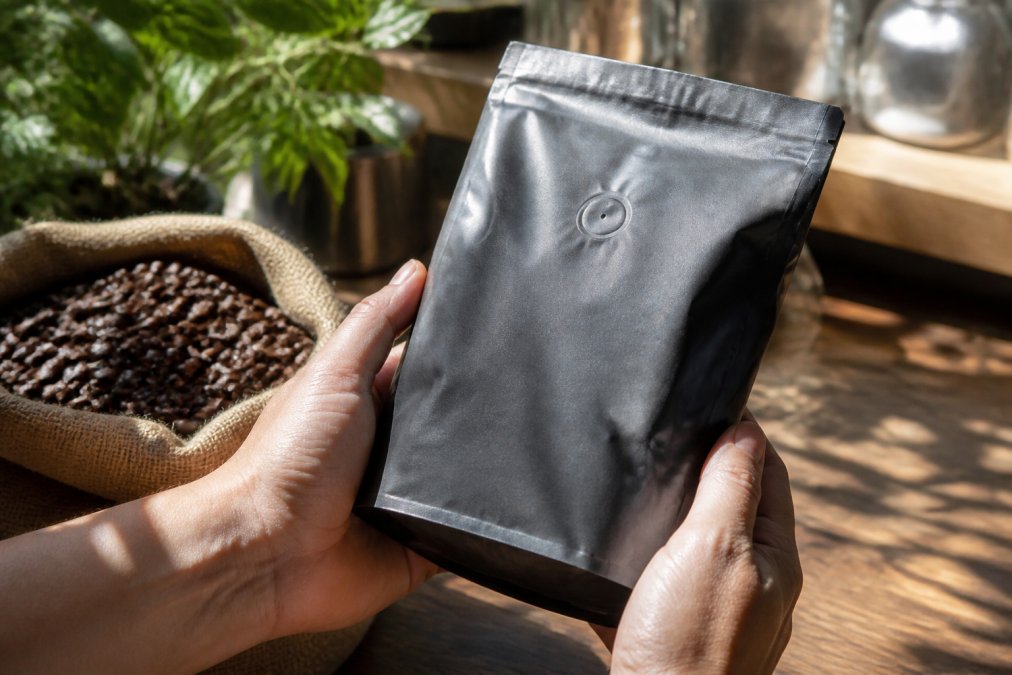
Most online roasters roast to order, meaning your beans don't exist until you place your order. Cuppari Coffee operates on this exact model: beans are roasted only after an order is placed and shipped the same day. This guarantees maximum freshness because there's no inventory sitting in a warehouse waiting to be sold.
The selection available through online channels dwarfs what any grocery store can offer. Where your local supermarket carries maybe five to ten coffee options, online roasters typically stock 20-50+ varieties. You'll find single-origin coffees from specific farms and regions, experimental processing methods, seasonal microlots, and blends designed for specific brewing methods. Direct roasters also provide detailed information about each coffee's origin, altitude, tasting profile, and optimal brewing method.
Coffee Subscription Benefits and Flexibility
A coffee subscription removes the friction from reordering while solving the "running out unexpectedly" problem. Instead of remembering to buy coffee during your weekly store trip, a subscription delivers fresh beans on your schedule.
Modern subscriptions let you customize delivery frequency (every two weeks, monthly, every six weeks), pause or skip months without penalty, and adjust your order size based on your needs. Subscription models also create pricing advantages. Many roasters offer subscription discounts, typically 10-15% off per bag, because they can predict demand more efficiently (sba.gov). This pricing advantage compounds over a year, making subscriptions financially smarter for regular coffee drinkers.
The Subscription Fatigue Problem
However, the subscription model has a hidden cost: subscription fatigue. Many coffee enthusiasts start with one subscription, then add a second roaster for variety, then a third for seasonal offerings. Within months, they're receiving four to six bags monthly from different sources, spending more than intended and struggling to consume coffee before it ages past its peak window.
Before committing to a subscription, audit your actual consumption. A typical coffee drinker using a standard drip maker or pour-over consumes about 0.5 to 0.75 pounds per week, or roughly 2-3 pounds monthly (usda.gov). A subscription delivering one 12-ounce bag every two weeks matches this consumption perfectly. Adding a second subscription doubles your intake without increasing consumption, leading to waste and expired beans.
Test the cancellation process before subscribing. Some roasters make pausing or cancellation deliberately cumbersome to encourage customers to stay subscribed. If the process is hidden or unclear, that's a warning sign about how the company treats customer autonomy.
Managing Multiple Subscriptions Strategically
If you want variety without fatigue, subscribe to one primary roaster on a regular schedule, then make one-time purchases from other roasters for experimentation. Alternatively, choose a roaster that offers rotating selections within a single subscription. Track your subscription dates with phone reminders so you're not surprised by overlapping deliveries.
Subscriptions are genuinely valuable if: (1) you have a favorite roaster and want consistent access to their current offerings, (2) you're willing to commit to a single subscription, (3) the roaster's cancellation process is transparent and friction-free, and (4) your consumption rate matches the subscription frequency. The real benefit is consistency: fresh beans arrive before your current supply dwindles, and you're always working within that peak flavor window.
Variety and Selection You Won't Find Locally
The coffee selection available through online ordering is categorically different from what any single physical location can stock. A grocery store might carry eight coffee options. An online roaster typically offers 30-60+, and some platforms aggregate hundreds of options from multiple roasters.
Reading the Bag: What Quality Signals Look Like
A professional roaster's label tells a story. Start with the roast date, non-negotiable. If it's missing, move on. Next, look for origin specificity. "Brazilian coffee" is vague; "Fazenda Rainha, Minas Gerais, 1,200-1,400 meters elevation" tells you the roaster cares about traceability. Processing method matters significantly. Labels should specify whether beans are washed, natural-process, honey-processed, or experimental. Varietal information, Geisha, Bourbon, Typica, Yirgacheffe, indicates knowledge of the supply chain. Tasting notes should be specific: "dark chocolate, hazelnut, and subtle stone fruit acidity" rather than generic descriptors like "smooth" or "bold."
Identifying Roaster Credibility
Established roasters often display certifications: Fair Trade, Rainforest Alliance, or direct relationships with specific farms. Small-batch roasters, those roasting under 50 pounds per batch, typically maintain higher quality control. Look for roasters who offer brewing guidance specific to each coffee, suggesting precision in their roasting or sourcing.
This abundance means you can explore coffee systematically. You might start with a tasting flight of three single-origin coffees from different continents to understand how geography shapes flavor. You could experiment with different processing methods or chase seasonal microlots available only through direct-to-consumer channels. Online roasters cater to every skill level, from approachable blends for simplicity to complex single-origins for enthusiasts.
Storage and Preservation Techniques for Online Orders
Coffee's enemies are oxygen, light, moisture, and heat. Online roasters have engineered packaging specifically to combat these threats, which is why mail-order coffee often stays fresher longer than grocery store options despite shipping time.
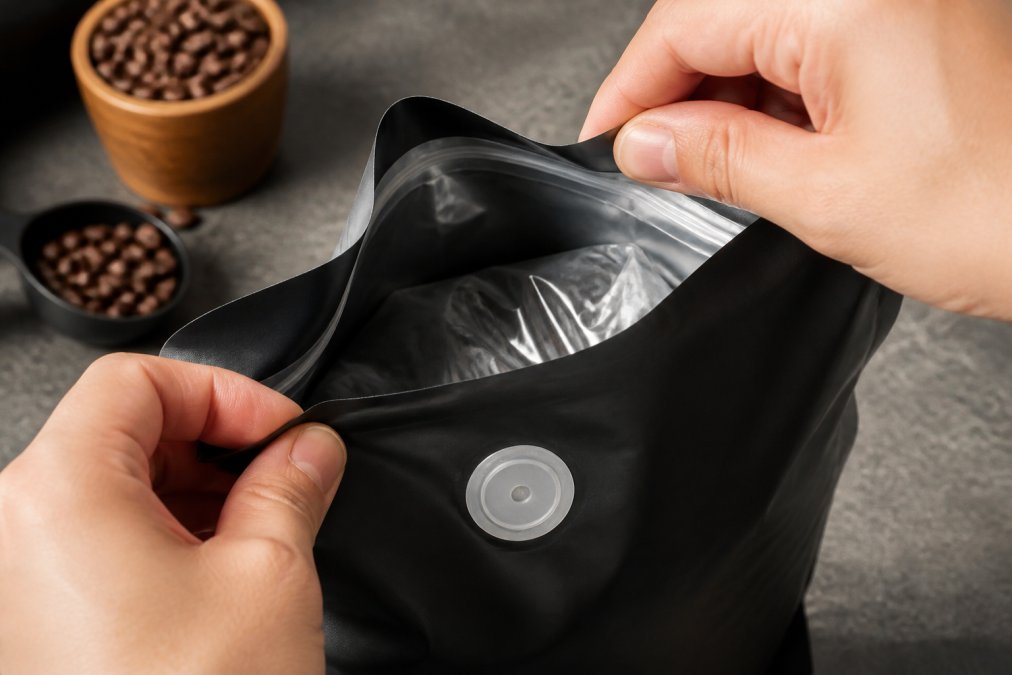
Most quality online roasters ship in bags with one-way valves (degassing valves). These let CO2 escape from freshly roasted beans without allowing oxygen back in. The bag itself is typically multi-layer foil that blocks light and provides an oxygen barrier. Some roasters vacuum-seal bags to remove air entirely before sealing.
When your order arrives, keep beans in their original sealed bag if possible. If you transfer beans to another container, use an airtight vessel away from direct sunlight, heat sources, and moisture. Consume your beans within two to four weeks of the roast date for optimal flavor. After four weeks, oxidation begins degrading the subtle compounds that make specialty coffee special. By buying online in smaller quantities more frequently, you stay within that optimal window rather than buying a month's worth of grocery store coffee that's already past its prime.
Cost-Effectiveness and Free Shipping Advantages
The perception that online coffee costs more than grocery shopping often doesn't survive actual comparison. While a single bag of specialty coffee might cost more than a grocery store can, the per-cup cost frequently comes out ahead, especially when factoring in subscription discounts.
A $10 can of pre-ground grocery store coffee that's already stale delivers diminished flavor compared to a $15 bag of fresh whole beans from an online roaster. You're investing in a cup worth drinking rather than wasting money on mediocre coffee you're merely tolerating.
Free shipping changes the economics dramatically. Cuppari Coffee offers free shipping on all U.S. orders, which eliminates the shipping cost that makes small orders uneconomical. This means buying a single bag of fresh beans costs less than it would with per-shipment shipping fees. Subscription discounts amplify the savings. A 10-15% discount on each bag, multiplied across twelve months, represents significant annual savings while delivering dramatically superior quality and freshness.
The cost-effectiveness also comes from reduced waste. Grocery store coffee that loses flavor before you finish the bag is wasted money. Fresh online coffee consumed at peak flavor represents money spent on quality you actually experience.
Conclusion
Buying coffee online solves the core problem with grocery store shopping: stale beans. When beans are roasted to order and shipped the same day, you're guaranteed freshness that shelf coffee simply can't match. The roast date becomes meaningful, peak flavor becomes achievable, and your morning cup transforms from acceptable to exceptional.
Cuppari Coffee delivers exactly this promise: premium, freshly-roasted beans roasted only after your order is placed and shipped the same day, with free shipping on all U.S. orders. The combination of guaranteed freshness, diverse selection, and transparent sourcing makes online ordering the logical choice for anyone serious about coffee quality. Start with a single order and experience the difference fresh beans make, you'll find yourself returning not out of habit, but because the cup is genuinely better.
=== FAQ ANSWERS (audit these too, same rules) ===
[1] Q: Why is buying coffee online better than buying from a grocery store? A: Online coffee roasters ship beans within days of roasting, ensuring peak flavor and aroma. Grocery store coffee often sits on shelves for weeks or months, losing freshness and complexity. Online ordering also gives you access to specialty single-origin and small-batch coffees unavailable locally, plus the convenience of delivery straight to your door without the trip.
[2] Q: What is the roast date importance when ordering coffee online? A: The roast date tells you exactly when beans were roasted, which determines their peak flavor window. Coffee tastes best between 3-7 days after roasting; after two weeks, flavor degradation accelerates as the beans oxidize. When buying online, always check the roast date to ensure you're getting beans roasted recently, not inventory from weeks prior. Reputable roasters print this date prominently on every bag.
[3] Q: How do coffee subscription benefits compare to one-time purchases? A: Subscriptions guarantee consistent delivery of fresh beans on your schedule, eliminating the risk of running out or buying stale coffee. Many subscriptions offer customization by roast level, grind size, and flavor profile. However, subscription fatigue is real, you can pause or skip months if you have excess inventory. One-time purchases offer flexibility but require remembering to reorder and may result in buying whatever's available rather than peak-freshness beans.
[4] Q: Is it cheaper to buy coffee beans online? A: Online pricing varies widely depending on the roaster and whether you choose a subscription. While some online options cost more per bag than grocery store brands, specialty roasters often match or undercut local café prices. Free shipping (offered by some online roasters) eliminates extra costs. Subscription discounts and bulk buying can reduce per-bag prices significantly. Compare roasters' pricing directly rather than assuming online is always cheaper, quality and freshness matter more than price alone.
Frequently Asked Questions
Why is buying coffee online better than buying from a grocery store?
Online coffee roasters ship beans within days of roasting, ensuring peak flavor and aroma. Grocery store coffee often sits on shelves for weeks or months, losing freshness and complexity. Online ordering also gives you access to specialty single-origin and small-batch coffees unavailable locally, plus the convenience of delivery straight to your door without the trip.
What is the roast date importance when ordering coffee online?
The roast date tells you exactly when beans were roasted, which determines their peak flavor window. Coffee tastes best between 3-7 days after roasting; after two weeks, flavor degradation accelerates as the beans oxidize. When buying online, always check the roast date to ensure you're getting beans roasted recently, not inventory from weeks prior. Reputable roasters print this date prominently on every bag.
How do coffee subscription benefits compare to one-time purchases?
Subscriptions guarantee consistent delivery of fresh beans on your schedule, eliminating the risk of running out or buying stale coffee. Many subscriptions offer customization by roast level, grind size, and flavor profile. However, subscription fatigue is real, you can pause or skip months if you have excess inventory. One-time purchases offer flexibility but require remembering to reorder and may result in buying whatever's available rather than peak-freshness beans.
Is it cheaper to buy coffee beans online?
Online pricing varies widely depending on the roaster and whether you choose a subscription. While some online options cost more per bag than grocery store brands, specialty roasters often match or undercut local café prices. Free shipping (offered by some online roasters) eliminates extra costs. Subscription discounts and bulk buying can reduce per-bag prices significantly. Compare roasters' pricing directly rather than assuming online is always cheaper, quality and freshness matter more than price alone.
This article was written using GrandRanker