

Table of Contents
- What Makes the Best Coffee for Espresso at Home?
- Single Origin vs Blend for Espresso: Which Should You Choose?
-
The Best Coffee for Espresso at Home: Top Picks Compared
- 1. Cuppari Coffee - Best for Guaranteed Freshness
- 2. Lavazza Super Crema - Best for Beginners
- 3. Intelligentsia Black Cat Espresso - Best for Specialty Enthusiasts
- 4. Stumptown Hair Bender - Best for Complex Flavor Profiles
- 5. Counter Culture Big Trouble - Best Easy-Drinking Blend
- 6. Peet's Major Dickason's Blend - Best Budget Dark Roast
- 7. Café La Llave Espresso - Best Ultra-Budget Pick
- How to Grind Coffee for Espresso: Grind Size and Equipment Compatibility
- The Role of Freshness: Why Roast Date Changes Everything
- How to Store Espresso Beans to Maximize Shelf Life
- Budget-Friendly vs. Premium Espresso Beans: Is the ROI Worth It?
- Conclusion
Last Updated: June 3, 2026
Choosing the best coffee for espresso at home is harder than it looks. At Cuppari Coffee, we've worked through this question with thousands of home baristas, and the short answer is: freshness and roast level matter more than brand name or price. Below, we'll show you exactly how to match beans to your machine, your taste, and your budget, covering grind size compatibility to water chemistry, so you can pull a genuinely great shot every time.
Most guides treat espresso bean selection as purely a matter of personal taste. It's not. The wrong bean for your machine type will produce a sour, bitter, or watery shot regardless of technique. The five strategies we cover have helped home baristas achieve café-quality pulls without upgrading their equipment.
What Makes the Best Coffee for Espresso at Home?
The best coffee for espresso at home combines three non-negotiable qualities: appropriate roast level, verified freshness, and a grind-size range compatible with your machine. Espresso passes near-boiling water through a compressed puck at high pressure, meaning every flaw in the bean shows up in the cup.
Are Espresso Beans Different from Regular Coffee Beans?
Espresso beans are not a distinct botanical species. "Espresso roast" refers to a roasting style and intended brewing method. Any whole bean coffee can be brewed as espresso, but beans labeled for espresso are typically roasted darker and ground finer to suit pressure-based extraction.
The practical difference lies in density and oil content. Darker roasts produce more surface oils, contributing to crema and heavier mouthfeel. Lighter roasts retain more acidity and complex flavor notes but demand more precise extraction. Specialty roasters often offer single-origin espresso at a medium profile that balances both.
Understanding Roast Levels: Light, Medium, and Dark
Roast level is the single biggest variable in espresso flavor. Here's how each behaves under pressure:
- Light roast: High acidity, floral and fruity notes, low bitterness. Requires precise grind calibration and higher extraction temperatures. Challenging for entry-level machines.
- Medium roast: Balanced sweetness and acidity, chocolate and caramel notes, forgiving extraction window. The best starting point for most home baristas.
- Dark roast: Bold, heavy body, low acidity, roasty finish. Very forgiving but can taste burnt if over-extracted. Works well with milk-based drinks.
Most home espresso machines perform best with medium to medium-dark roasts. The extraction pressure is fixed on many consumer machines, so a lighter roast's denser bean structure can produce under-extracted, sour shots without a capable grinder to compensate.
Single Origin vs Blend for Espresso: Which Should You Choose?
The single origin vs blend for espresso debate has a practical answer: blends are more consistent, single origins are more interesting. Neither is objectively better.
Coffee blends combine beans from multiple origins for a predictable, balanced profile. Roasters design blends to perform consistently across machines and skill levels, thicker crema, syrupy body, forgiving of minor extraction errors. For daily drinkers pulling shots with milk, blends are almost always the right call.
Single-origin espresso showcases the terroir and processing of one farm or region. A natural-processed Ethiopian single origin might deliver intense blueberry and dark chocolate notes no blend can replicate, but those notes turn harsh if the shot is even slightly off. Single origins reward precision and punish inconsistency.
A practical framework:
- New to home espresso or using an entry-level machine: choose a blend
- Experienced home barista with a quality grinder: experiment with single origins
- Primarily making milk-based drinks: blend wins every time
- Drinking straight shots and chasing complexity: single origin is worth the challenge
According to Specialty Coffee Association brewing resources, extraction variables like dose, yield, and time interact differently depending on bean origin and processing method, which is why single origins require tighter control.
The Best Coffee for Espresso at Home: Top Picks Compared
The following picks represent the full spectrum available in 2026, from roast-to-order options to reliable supermarket staples, selected based on flavor profile, value, and machine compatibility.
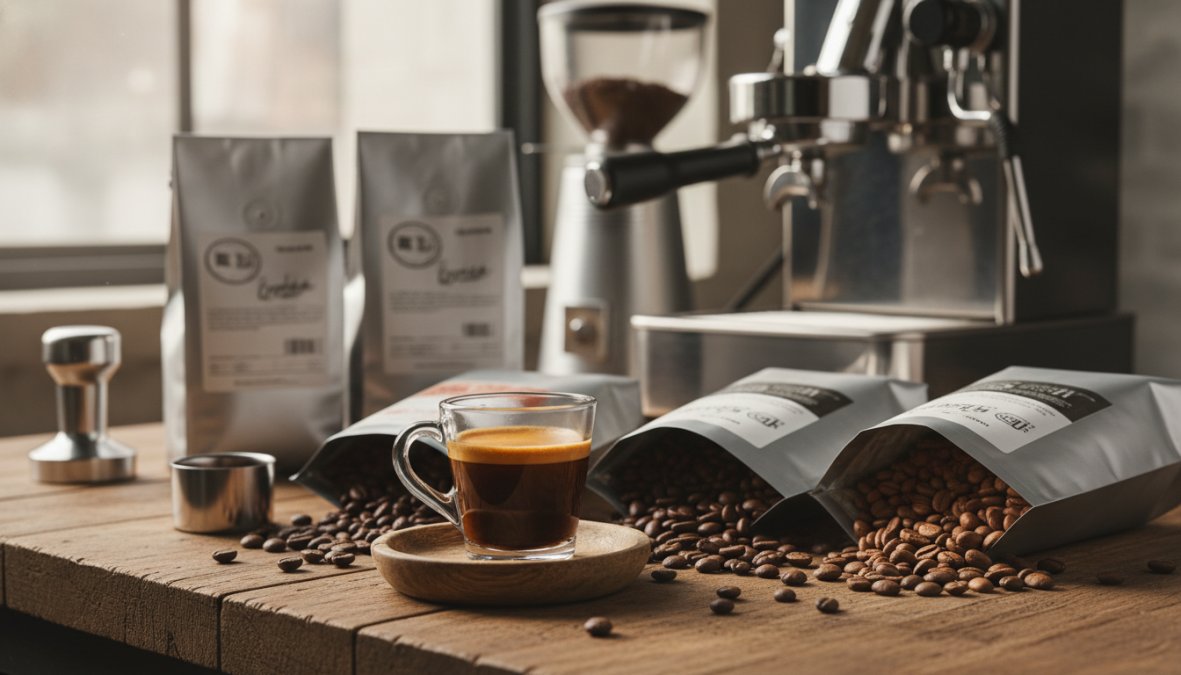
| Coffee | Roast | Best For | Price Range |
|---|---|---|---|
| Cuppari Coffee | Varies by selection | Freshness-first buyers | Varies |
| Lavazza Super Crema | Medium | Beginners | $20-$25 / 2.2lb |
| Intelligentsia Black Cat | Medium | Specialty enthusiasts | $18-$20 / 12oz |
| Stumptown Hair Bender | Medium-dark | Complex flavor seekers | $17-$19 / 12oz |
| Counter Culture Big Trouble | Medium | Easy daily drinkers | $16-$18 / 12oz |
| Peet's Major Dickason's | Dark | Budget dark roast fans | $12-$15 / 12oz |
| Café La Llave | Dark | Ultra-budget buyers | $5-$8 / 10oz |
1. Cuppari Coffee - Best for Guaranteed Freshness
Freshness separates a great espresso from a flat, lifeless one, and Cuppari Coffee has built its entire model around solving that problem. Every order is roasted only after it's placed and shipped the same day, beans arriving at your door are genuinely fresh, not sitting in a warehouse for weeks.
Pros: Roasted-to-order freshness guarantee, free shipping on all U.S. orders, selection includes single origin, blends, flavored options, and coffee pods, sealed capsules with no oxygen inside to preserve flavor.
Cons: Selection varies; less brand recognition than legacy Italian roasters.
For home baristas who've experienced the difference between freshly roasted beans and grocery store coffee sitting on the shelf for months, Cuppari Coffee's model is the most logical choice.
2. Lavazza Super Crema - Best for Beginners
A medium roast blend of Arabica and Robusta beans, Lavazza Super Crema is the Italian benchmark for approachable espresso. The Robusta content contributes to thick, stable crema, and the hazelnut and brown sugar flavor notes are crowd-pleasing rather than challenging.
Pros: Very forgiving extraction window, excellent crema, great for lattes and cappuccinos. Cons: Lacks the complex acidity of specialty single origins.
At $20-$25 per 2.2lb bag, the value per shot is hard to beat. Experienced palates will find it one-dimensional as a straight shot.
3. Intelligentsia Black Cat Espresso - Best for Specialty Enthusiasts
Intelligentsia's Black Cat is a direct-trade blend built around sweetness and a syrupy body. Straight shots deliver exceptional chocolate-forward flavor with a clean finish, and the sourcing transparency is genuine.
Pros: Specialty-grade quality, exceptional sweetness, consistent across grind sizes. Cons: Higher cost per ounce, requires precise dialing-in to avoid sourness.
At $18-$20 per 12oz, it's a premium buy. Black Cat performs surprisingly well even when slightly under-extracted, making it more forgiving than its specialty label suggests.
4. Stumptown Hair Bender - Best for Complex Flavor Profiles
Hair Bender pulls beans from Latin America, Africa, and Indonesia into a multi-origin blend delivering dark chocolate and citrus in the same shot. It's a cult favorite for good reason: genuinely complex without being difficult to live with daily.
Pros: Vibrant, layered flavor profile, works for both espresso and drip brewing. Cons: Can be difficult to dial in for absolute beginners.
Priced at $17-$19 per 12oz, it sits in the sweet spot between specialty pricing and everyday usability.
5. Counter Culture Big Trouble - Best Easy-Drinking Blend
Big Trouble is a no-fuss, nutty, caramel-forward blend designed for reliable extraction. Counter Culture's sourcing transparency is genuine, and the medium roast profile works across many grinder settings.
Pros: Approachable flavor, consistently high quality, transparent sourcing. Cons: May feel too standard for adventurous drinkers.
At $16-$18 per 12oz, this is the recommendation for home baristas who want quality without dialing-in frustration.
6. Peet's Major Dickason's Blend - Best Budget Dark Roast
A bold, full-bodied dark roast that cuts through milk without flinching. Major Dickason's is widely available in retail stores, which matters for buyers who don't want to wait for shipping.
Pros: Excellent value, strong flavor that holds up in milk drinks. Cons: Can turn bitter if over-extracted; not specialty-grade.
At $12-$15 per 12oz, it's the most accessible quality dark roast on this list.
7. Café La Llave Espresso - Best Ultra-Budget Pick
Café La Llave is a dark-roast staple for Cuban-style coffee and Moka pot brewing. The fine grind works in standard espresso machines, and the intensity is real.
Pros: Unbeatable price point at $5-$8 per 10oz brick, perfect for high-intensity drinks. Cons: Not specialty-grade, lacks nuance, pre-ground only.
This is the honest pick for budget-conscious buyers who prioritize strength over complexity.
How to Grind Coffee for Espresso: Grind Size and Equipment Compatibility
Grind size is where most home espresso setups break down. Getting it wrong produces either a watery, under-extracted shot or a bitter, over-extracted one, no amount of bean quality compensates for an incorrect grind.
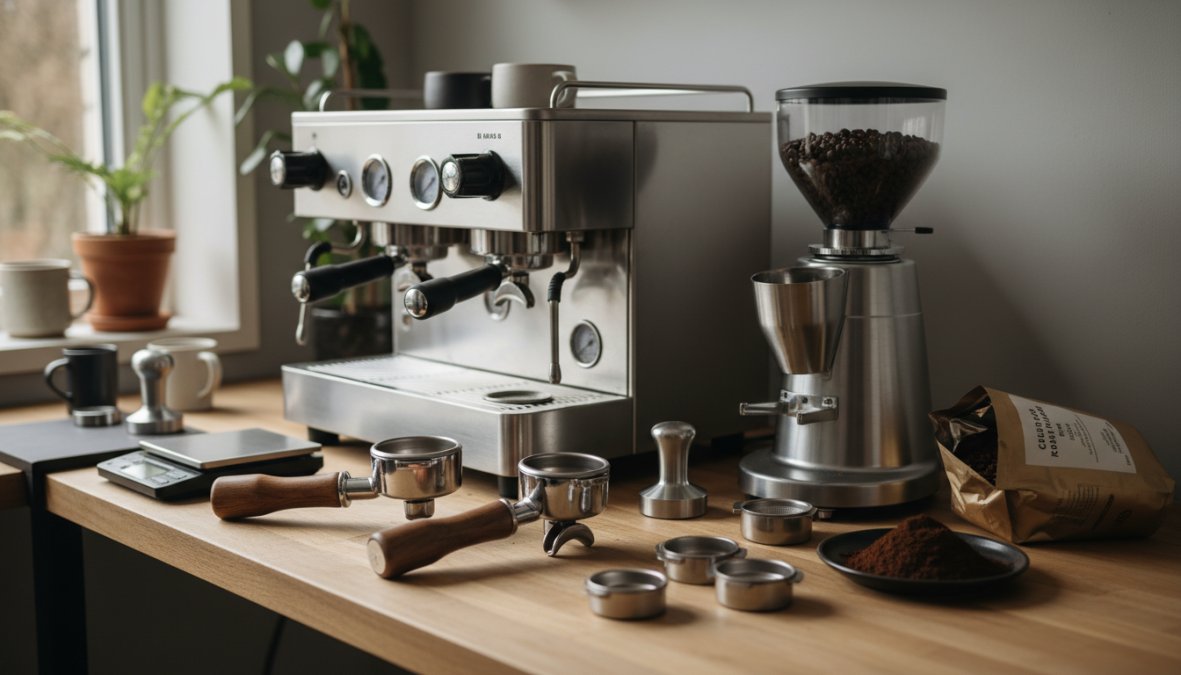
Espresso requires a fine grind, significantly finer than drip coffee but not as fine as Turkish. The target is a grind that allows a 25-30 second extraction for a standard double shot (roughly 18-20g in, 36-40g out).
Matching Grind Size to Your Espresso Machine Type
Different machines operate at different pressure levels and flow rates, directly affecting optimal grind size:
- Semi-automatic machines (9-bar pump): Standard fine grind. Use a quality burr grinder with stepped or stepless adjustment. Blade grinders produce inconsistent particle sizes that cause channeling.
- Super-automatic machines: These grind internally. Bean density matters more than your grinder setting; medium roasts with consistent density perform best.
- Moka pots (stovetop espresso): Slightly coarser than pump espresso. Too fine a grind creates dangerous pressure buildup.
- Pod machines (Nespresso, etc.): Grind size is irrelevant; use compatible pods.
A quality burr grinder is a better investment than premium beans if you have to choose one.
The Role of Freshness: Why Roast Date Changes Everything
Freshly roasted beans go through a degassing period of 3-7 days post-roast, during which CO2 releases from the bean structure. The ideal window for espresso is typically 7-21 days post-roast. After 30 days, oxidation begins to flatten flavor noticeably; after 60 days, even well-stored beans lose most complexity.
This is why roast date matters far more than the "best by" date on most commercial bags, which typically extends 12-18 months post-roast. A bag of specialty coffee roasted six weeks ago will taste worse than mid-range coffee roasted last week. Freshness is not a premium feature, it's a baseline requirement.
Water Chemistry and Its Impact on Extraction
Water chemistry is the most overlooked variable in home espresso. According to Specialty Coffee Association water quality standards, ideal water has a total dissolved solids (TDS) level between 75-150 ppm and a pH close to 7.0.
Hard tap water causes scale buildup and chalky-tasting shots; distilled water lacks the minerals that aid extraction and produces thin, sour results. The practical fix: use filtered water from a pitcher-style filter, or a 50/50 blend of filtered and bottled mineral water. This single change produces a noticeable improvement without any equipment upgrade.
How to Store Espresso Beans to Maximize Shelf Life
The four enemies of coffee freshness are oxygen, moisture, heat, and light:
- Oxygen: Store beans in an airtight container with a one-way valve. Vacuum-sealed containers extend freshness by 1-2 weeks beyond standard airtight storage.
- Moisture: Keep beans away from steam sources. The counter next to your espresso machine is a poor storage location.
- Heat: Room temperature (60-75°F) is ideal. Avoid storing near ovens or heat-generating appliances.
- Light: Use an opaque container. Clear glass jars expose beans to light degradation.
A note on freezing: freezing whole beans in an airtight sealed bag before the peak freshness window is effective for long-term storage. Freeze in single-use portions and never refreeze after thawing, repeated freeze-thaw cycles destroy cell structure and accelerate staling.
Budget-Friendly vs. Premium Espresso Beans: Is the ROI Worth It?
The ROI on premium beans depends entirely on your equipment and technique. Spending $20 per 12oz on specialty beans run through a blade grinder produces a worse result than $12 beans through a quality burr grinder with proper technique.
The upgrade hierarchy for home espresso, ranked by impact on shot quality:
- Grinder quality (highest impact): A quality burr grinder transforms extraction consistency regardless of bean tier.
- Bean freshness (high impact): Fresh roast-to-order beans versus stale retail beans is a dramatic difference.
- Water quality (medium impact): Often overlooked but genuinely significant.
- Bean origin and roast tier (meaningful impact once the above are addressed): This is where premium pricing pays off.
As James Hoffmann's coffee equipment guides and other specialty coffee educators consistently emphasize, grind consistency is the foundation everything else builds on. Start with a mid-range blend like Counter Culture Big Trouble or Peet's Major Dickason's, invest in a quality burr grinder, then experiment with premium single origins once your technique is dialed in.
Premium beans do justify their price for experienced home baristas with capable equipment, the complexity of a well-extracted specialty single origin is something a $6 brick of pre-ground coffee cannot replicate. But that complexity is also the first thing lost to a poor grind or stale beans.
Frequently Asked Questions
Do I need special beans to use an espresso machine at home?
No special variety is required, any whole bean coffee can be used in an espresso machine. What matters most is the roast level, grind size, and freshness. Medium to dark roasts tend to extract more reliably and produce better crema, but a well-sourced medium roast or even a light roast can work beautifully if you dial in your grind and dose correctly. Buying freshly roasted beans, ideally within two to four weeks of the roast date, makes the biggest practical difference for home baristas.
Is dark roast or medium roast better for espresso at home?
Both can produce excellent espresso, and the best choice depends on your taste preferences and equipment. Dark roasts are more forgiving to extract, produce heavier body, and cut through milk well in drinks like cappuccinos and cortados. Medium roasts offer more complex acidity, sweetness, and nuanced flavor notes. For beginners, a medium-dark roast blend is often the most balanced starting point. As you grow more comfortable dialing in your espresso machine, experimenting with lighter roasts reveals entirely new flavor dimensions.
What is the difference between single-origin and a blend for espresso?
A single-origin espresso uses beans from one farm or region, delivering distinct, traceable flavor notes, often fruitier or more acidic, that reflect their specific terroir and post-harvest processing. A coffee blend combines beans from multiple origins to create a balanced, consistent flavor profile across batches. For home baristas, blends are generally easier to dial in and more forgiving. Single-origin beans reward those willing to experiment with grind size and extraction time to unlock their more complex, nuanced tasting notes.
How should I store espresso beans to keep them fresh?
Store whole bean espresso in an airtight container, away from direct light, heat, and moisture. A dark cabinet at room temperature is ideal. Avoid the refrigerator, temperature fluctuations introduce condensation that degrades flavor. The freezer can work for long-term storage of sealed, unopened bags, but once opened, keep beans at room temperature and use them within two to three weeks. Buying smaller quantities more frequently, especially from a roaster who ships freshly roasted beans, is the single most effective way to ensure peak shot quality.
How fine should I grind coffee for espresso?
Espresso requires a fine grind, finer than drip coffee but not as powdery as Turkish coffee. The correct grind size depends on your specific machine and the bean's density and roast level. A good starting point is a grind that allows a double shot to extract in 25 to 30 seconds. If your shot runs too fast and tastes sour or weak, grind finer. If it runs too slow and tastes bitter, grind coarser. Burr grinders are strongly recommended over blade grinders for the consistent particle size espresso extraction demands.
The real challenge with home espresso isn't finding good beans. It's finding beans that are genuinely fresh, matched to your machine, and available without a complicated ordering process. Cuppari Coffee solves that directly: every order is roasted after it's placed and shipped the same day, with free shipping on all U.S. orders and a selection that spans single origin, blends, and coffee pods. Add to cart and experience the difference that roast-to-order freshness makes in your daily shot.
This article was written using GrandRanker