

Table of Contents
- What Makes the Best Coffee Pods for Quality Stand Out
- Top 10 Best Coffee Pods for Quality: Ranked and Reviewed
- How to Choose High Quality Coffee Pods That Match Your Taste
- Best Espresso Pods for Nespresso Machines in 2026
- Reusable Coffee Pods vs Disposable: Which Is Worth It?
- Sustainability and Ethical Sourcing: Why Your Pod Choice Matters
- Troubleshooting Common Brewing Mistakes with Coffee Pods
- Conclusion
Last Updated: June 2, 2026
Finding the best coffee pods for quality is harder than it looks. The pod market has exploded with options ranging from mass-market capsules to specialty micro-roaster offerings, and most guides treat them as interchangeable. At Cuppari Coffee, we've spent considerable time evaluating what separates a genuinely great pod from one that merely promises quality on the label. The difference comes down to three things: bean sourcing, roast freshness, and extraction design. Below, we'll walk you through exactly what to look for, rank the top 10 options for 2026, and cover the brewing mistakes that quietly ruin even the best capsules.
Here's what most guides get wrong: they evaluate pods as finished products without asking how old the coffee inside actually is. A pod sealed six months after roasting is already stale, regardless of the brand name on the box.
What Makes the Best Coffee Pods for Quality Stand Out
The best coffee pods for quality share a specific set of characteristics that go beyond marketing language. Freshness, bean grade, roast precision, and capsule design all interact to determine what ends up in your cup.
Most pods on supermarket shelves use commodity-grade Robusta or low-tier Arabica blends roasted months before you buy them. Specialty pod brands flip this model: they roast to order, seal immediately, and use capsule technology that prevents oxygen from degrading the coffee inside. The result is a noticeably brighter, more complex cup with flavor notes that commodity pods simply cannot replicate.
Capsule design matters more than most people realize. An improved filter that absorbs fine grounds prevents the gritty, muddy texture that plagues cheaper options. Aluminium capsules, when properly sealed, preserve aroma significantly better than plastic alternatives. These are not cosmetic differences.
Arabica vs. Robusta: Which Bean Type Wins in Pod Form
Arabica is a coffee species prized for its nuanced flavor, lower caffeine content, and higher acidity. It grows at elevation, takes longer to mature, and costs more to produce. Robusta, by contrast, is hardier, higher in caffeine, and produces a harsher, more bitter cup with a thicker body.
In pod form, Arabica wins for quality-focused drinkers almost every time. The controlled extraction environment of a pod machine actually amplifies the flavor differences between bean types. A 100% Arabica pod from a quality roaster will show clear flavor notes, clean acidity, and a smooth finish. A Robusta-heavy blend often produces a sharp, rubbery bitterness that no machine setting can fix.
That said, Robusta has a legitimate role in espresso blends. A small percentage of Robusta adds crema thickness and a caffeine kick that some drinkers prefer. The problem is when brands use Robusta as a cost-cutting measure rather than a deliberate blending decision.
Roast Profiles: Light, Medium, and Dark Explained
Roast profile is one of the most misunderstood variables in coffee quality. Many consumers default to dark roast assuming it means stronger coffee. It doesn't. Roast level determines flavor character, not caffeine content.
- Light roast: Preserves the bean's original flavor notes. Expect floral, fruity, and tea-like characteristics. Higher perceived acidity. Best for single-origin pods where terroir matters.
- Medium roast: Balances origin character with roast sweetness. Caramel, chocolate, and nutty notes are common. The most versatile profile for both black coffee and milk-based drinks.
- Dark roast: Roast flavors dominate. Smoky, bitter, and bold. Origin character is largely lost. Works well for espresso where intensity is the goal.
The best pods for quality will clearly state the roast profile and explain what flavor notes to expect. Vague descriptors like "intense" or "smooth" without specifics are a red flag.
Top 10 Best Coffee Pods for Quality: Ranked and Reviewed
The following rankings are based on bean sourcing standards, roast freshness practices, capsule design, flavor complexity, and overall value. Each entry reflects real product research.
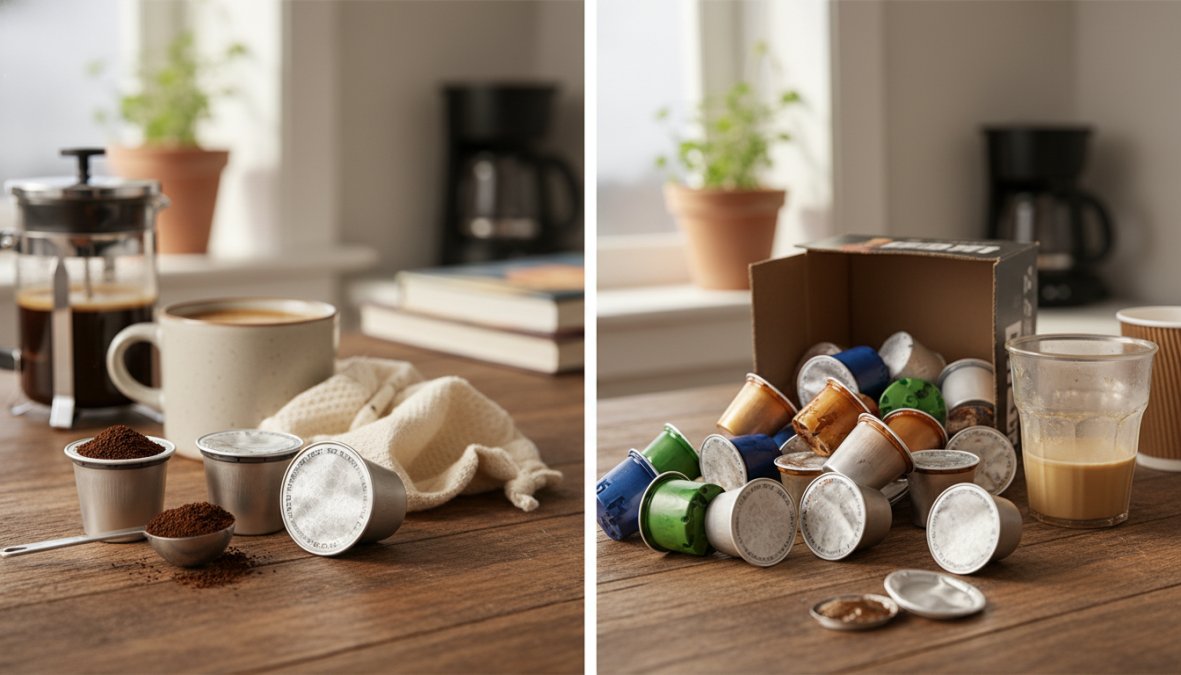
1. Cuppari Coffee Best overall for freshness and quality
Cuppari Coffee earns the top spot because of one practice that most pod brands skip entirely: beans are roasted only after an order is placed and shipped the same day. That means the coffee inside every capsule is genuinely fresh, not sitting in a warehouse for months. The sealed capsules contain no oxygen, preserving aroma and flavor from roast to brew. An improved filter design in each capsule absorbs more grounds, producing a lively, clean cup without sediment. Free shipping on all U.S. orders removes the usual premium penalty for buying direct.
Pros: Freshness guaranteed, same-day roast and ship, oxygen-free sealed capsules, improved filter design, free U.S. shipping Cons: Direct-to-consumer model means no same-day grocery pickup
2. Colonna Coffee Best for coffee connoisseurs
Colonna uses competition-grade micro-lots with aluminium capsules designed for Nespresso Original machines. The focus on single-origin transparency is genuine: each pod traces back to a specific farm or cooperative. Flavor clarity here is exceptional.
Pros: Competition-level sourcing, exceptional flavor complexity, high traceability Cons: Higher price point, limited availability outside specialty retail
3. Balance Coffee Best for health-conscious drinkers
Balance uses 100% Arabica beans with no additives, recyclable packaging, and flavor profiles that work equally well black or with milk. A genuinely clean cup.
Pros: Excellent consistency, ethical sourcing, recyclable packaging Cons: Primarily UK distribution, premium pricing
4. Assembly Coffee Best for single-origin purists
Seasonal selections, full farm-to-capsule traceability, and the same roasting precision Assembly applies to their wholesale cafe range. Aluminium Nespresso-compatible pods.
Pros: Exceptional seasonal variety, professional-grade roasting Cons: Limited outside UK, higher cost per cup
5. Grind Coffee Best for eco-conscious daily drinkers
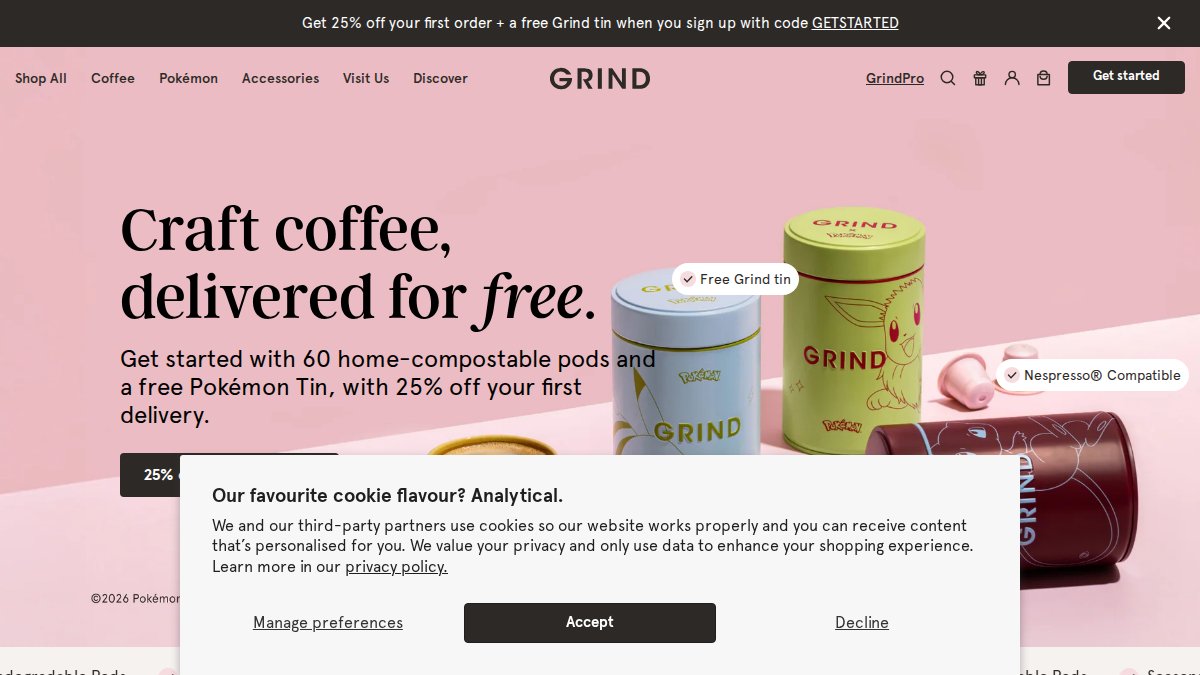
Fully compostable pods with ethically sourced, organic-certified beans. A subscription model keeps costs manageable. The flavor profile is bold and consistent rather than experimental.
Pros: Compostable design, strong brand consistency, subscription convenience Cons: Traditional flavor profiles, primarily UK-based
6. Illy Best for classic Italian espresso
Illy's signature blend has been consistent for decades. Pressurized packaging preserves freshness in retail. Available for both Nespresso and iperEspresso systems.
Pros: Extremely consistent, iconic flavor profile Cons: Limited variety, less environmentally focused
7. Lavazza Best value for everyday brewing
Authentic Italian roasting, broad compatibility with Nespresso Original machines, and genuine accessibility. Not as nuanced as boutique roasters, but reliable at a reasonable price.
Pros: Excellent value, widely available globally Cons: Less gourmet than micro-roasters, plastic-heavy packaging
8. Coffee Circle Best for sustainability-focused buyers
100% home-compostable capsules, direct trade sourcing, and high-quality Arabica beans across a diverse roast range. German-based but ships internationally.
Pros: Strong sustainability commitment, transparent sourcing Cons: Primarily European distribution, higher price point
9. Nespresso (Official) Best for variety and machine compatibility
The widest selection of any pod brand, infinitely recyclable aluminium capsules, and proprietary extraction technology that delivers consistent results. The Master Origin range offers genuine single-origin quality.
Pros: Unmatched variety, reliable extraction, recyclable capsules Cons: Expensive compared to third-party options, proprietary system
10. Peet's Coffee Best for bold dark roast fans
100% Arabica, rich dark roast profiles, widely available in retail and online. Compatible with both Nespresso Original and Keurig systems.
Pros: High accessibility, strong strong flavor Cons: Less single-origin nuance, not as specialty-focused
| Brand | Bean Type | Roast Range | Capsule Type | Best For |
|---|---|---|---|---|
| Cuppari Coffee | Arabica | Light to Dark | Sealed, oxygen-free | Freshness-first buyers |
| Colonna Coffee | Specialty Arabica | Light to Medium | Aluminium | Connoisseurs |
| Balance Coffee | 100% Arabica | Medium | Recyclable | Health-conscious |
| Assembly Coffee | Specialty Arabica | Seasonal | Aluminium | Single-origin purists |
| Grind Coffee | Organic Arabica | Medium-Dark | Compostable | Eco-conscious drinkers |
| Illy | Arabica Blend | Medium | Pressurized | Italian espresso fans |
| Lavazza | Arabica Blend | Medium-Dark | Plastic/Aluminium | Everyday value |
| Coffee Circle | Arabica | Light to Dark | Compostable | Sustainability focus |
| Nespresso | Arabica/Blend | Full range | Aluminium | Variety seekers |
| Peet's Coffee | 100% Arabica | Dark | Plastic/Aluminium | Dark roast fans |
How to Choose High Quality Coffee Pods That Match Your Taste
Most people pick pods based on brand recognition, which is the least reliable indicator of quality. A more useful framework starts with your body, your machine, and your daily volume, then works backward to the pod. This section covers the standard selection criteria competitors all mention, but also addresses a factor almost no pod guide discusses: choosing pods for specific dietary and digestive needs.
Step 1, Match the Pod to Your Machine's Extraction System
Your machine type is the non-negotiable starting point because it determines the pressure, water temperature, and flow rate the pod was engineered for.
- Nespresso Original: High-pressure extraction (up to 19 bar) producing espresso-style shots of 25-40ml. Rewards pods with finely ground, dense-packed coffee and aluminium or sealed capsule construction. Third-party compatible pods are widely available and often outperform Nespresso's own mid-tier range.
- Nespresso Vertuo: Centrifusion technology reads a barcode on each capsule and spins it at up to 7,000 RPM to mix water and coffee. The barcode system restricts third-party compatibility almost entirely, making Nespresso's own Master Origin and single-origin lines the strongest quality options on this platform.
- Keurig: Drip-style brewing at lower pressure, producing 6-12oz cups rather than espresso shots. Pod coffee weight per capsule is typically higher (9-12g) to compensate for the larger brew volume. Quality variance between brands is significant at this volume, under-dosed pods produce noticeably thin cups.
Using a pod calibrated for one system in another is the single most common cause of disappointing results that gets blamed on the coffee itself.
Step 2, Identify Your Flavor Profile, Not Just Your Roast Color
Roast color is a starting point, not a destination. Within each roast level, origin and processing method create dramatically different flavor experiences.
- Light roast, washed process: Clean, bright, high acidity. Expect citrus, stone fruit, and floral notes. Best for drinkers who enjoy complexity and drink coffee black.
- Light roast, natural process: Fruity and wine-like, with a heavier body than washed light roasts. More approachable for drinkers transitioning away from dark roast.
- Medium roast: The most versatile profile. Caramel sweetness, chocolate, and mild nuttiness. Holds up well through milk and works equally well as espresso or lungo.
- Dark roast: Roast character dominates, smoky, bitter, bold. Origin flavor is largely lost. Best suited to drinkers who want intensity over complexity, or who use pods primarily as a base for milk-heavy drinks like lattes.
When a pod label uses only vague descriptors like "smooth" or "intense" without stating origin or process, treat it as a signal that the brand is not confident in the coffee's inherent character.
Step 3, Choose for Your Digestive Needs (The Factor Most Guides Skip)
This is the selection criterion that almost no pod guide addresses, despite being relevant to a significant portion of daily coffee drinkers. Coffee acidity and certain compounds in dark-roasted beans are common triggers for acid reflux, stomach irritation, and digestive discomfort.
If you have a sensitive stomach or acid reflux, look for:
- Low-acid pod options: Some brands specifically market low-acid formulations. These typically use beans grown at lower elevations (which naturally produce less chlorogenic acid), or apply a steam-treatment process before roasting that reduces acid content without significantly altering flavor. Puroast and Lifeboost are two brands that have built their entire identity around low-acid claims, though their pod availability varies by market.
- Dark roast as a counterintuitive solution: Darker roasting degrades a compound called N-methylpyridinium (NMP) that actually helps suppress stomach acid production, but it also reduces chlorogenic acids. For many sensitive drinkers, a medium-dark roast hits a useful middle ground, lower total acid than a light roast, without the full bitterness of a very dark roast.
- Cold brew-style pods: A small number of brands now offer pods designed to produce a cold brew concentrate. Cold brew coffee is naturally lower in acid than hot-extracted coffee because the cold water extraction process draws out fewer acidic compounds. If your machine supports cold water or room-temperature extraction modes, these pods are worth investigating.
- Single-origin Arabica from low-elevation regions: Brazilian and Sumatran Arabica beans are consistently lower in acidity than Ethiopian or Kenyan origins. If a pod lists its origin and it's from Brazil or Sumatra, it is likely to be gentler on sensitive stomachs even without a specific low-acid claim.
Step 4, Factor In Freshness as a Hard Filter
A roast date on the packaging is a positive signal. No roast date at all is a warning sign. According to the Specialty Coffee Association's brewing standards, coffee is at peak flavor within weeks of roasting. Pods that disclose only a "best before" date without a roast date are almost certainly older than ideal, "best before" windows for pods are typically 12-24 months from sealing, which tells you nothing about when the coffee inside was actually roasted.
The practical test: if a pod produces a visible bloom (the initial burst of CO2 when hot water first contacts the grounds), the coffee inside is fresh. Flat, crema-free shots from an espresso pod are the clearest sign of stale coffee, regardless of what the label says.
Freshness, Grind Size, and Extraction: What to Look For on the Label
Freshness in a pod is determined by when the coffee was roasted, not when the pod was sealed. These are not the same thing. A pod sealed from fresh-roasted coffee will outperform one sealed from coffee that sat in a silo first.
Grind size inside a pod is pre-set by the manufacturer and calibrated for the specific machine pressure. This is why using a Nespresso-compatible pod in a machine it wasn't designed for often produces a weak or over-extracted result. The grind affects extraction rate, brew time, and ultimately the TDS (total dissolved solids) in your cup.
On the label, look for: roast date or "roasted on" information, bean origin or blend composition, intensity rating (usually 1-13 scale), and compatibility confirmation for your specific machine. Pods that list only a "best before" date without a roast date tell you almost nothing useful about freshness.
Best Espresso Pods for Nespresso Machines in 2026
Nespresso machines are the dominant platform for quality pod espresso at home, and the third-party compatible pod market has matured significantly. The best espresso pods for Nespresso deliver a proper crema, a balanced body, and flavor notes that hold up through milk.
For Nespresso Original machines, the top performers are Colonna Coffee (for specialty-grade complexity), Illy (for consistent Italian-style espresso), and Cuppari Coffee (for freshness-guaranteed quality across roast profiles). Each uses aluminium or sealed capsules that preserve the aromatic compounds essential for a proper espresso bloom during extraction.
The bloom phase, where hot water first contacts the grounds and releases CO2, is a reliable quality indicator. Fresh coffee blooms visibly. Stale coffee does not. If your espresso pod produces flat, crema-free shots, the coffee inside is likely too old regardless of brand.
For Nespresso Vertuo users, the options narrow because the barcode system limits third-party compatibility. Nespresso's own Master Origin range is the strongest choice here, with genuine single-origin offerings that justify the premium.
According to the National Coffee Association's home brewing guide, water temperature between 195-205°F (90-96°C) is critical for proper espresso extraction. Most Nespresso machines operate within this range automatically, but older machines may need descaling to maintain consistent temperature.
Reusable Coffee Pods vs Disposable: Which Is Worth It?
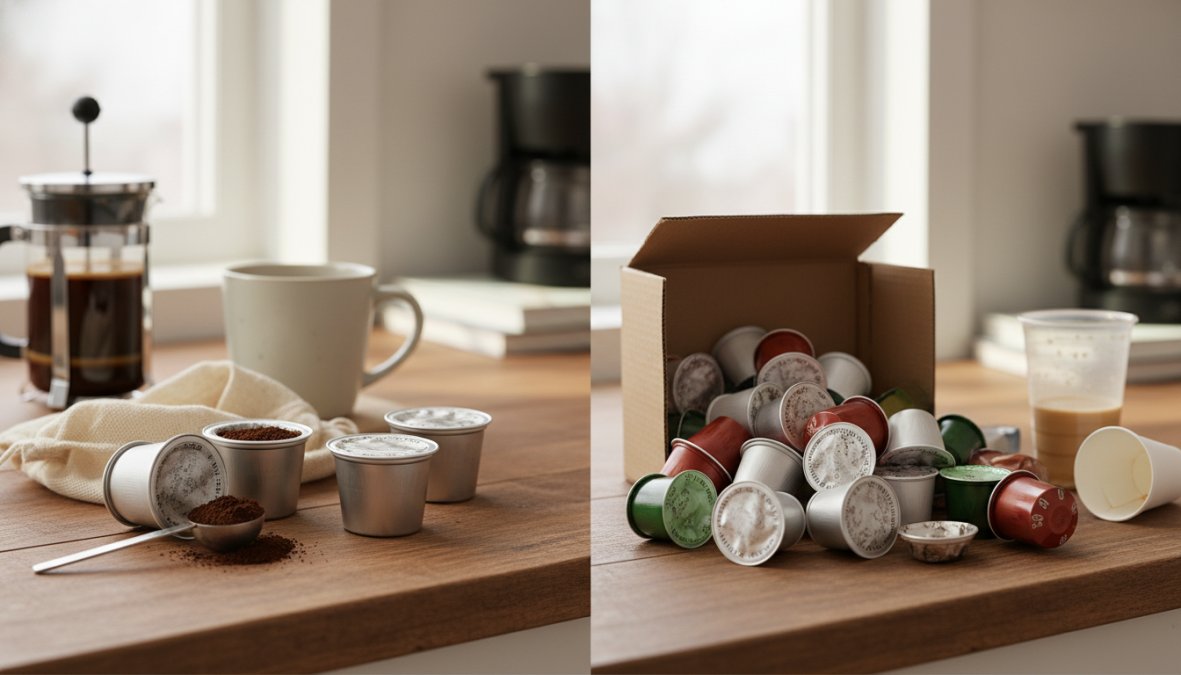
The reusable vs. disposable debate is not as straightforward as the sustainability conversation makes it seem. Both have genuine trade-offs that depend on how you prioritize convenience, cost, and cup quality. But the more financially meaningful question, one that almost no pod guide addresses directly, is whether a subscription model changes the math entirely. Below, we cover both debates with the specificity needed to make an actual decision.
Reusable vs. Disposable: The Real Trade-Offs
Reusable pods let you use any whole bean or pre-ground coffee you choose. This is a significant quality advantage if you're buying freshly roasted specialty coffee. The cost per cup drops considerably over time once you've absorbed the upfront cost of the reusable capsule (typically in the range of a few cups' worth of disposable pods). The trade-off is consistency: grind size, fill level, and tamping pressure all affect extraction, and getting them right takes practice and a burr grinder.
Disposable pods, particularly aluminium ones with proper sealing, deliver consistent extraction every time. The manufacturer has already calibrated grind size, coffee weight, and capsule pressure for the specific machine. For most home brewers, this consistency is worth the cost premium per cup. The environmental argument against disposables has also weakened as aluminium capsule recycling programs, including Nespresso's own take-back scheme, have expanded in coverage.
The honest answer: if you're willing to dial in your grind and fill technique, a reusable pod with freshly roasted whole bean coffee produces the best possible result. If you want reliable quality with zero variables, a well-sourced disposable pod from a brand that roasts to order is the smarter daily choice.
The Subscription vs. Grocery Store Question: Where the Real Savings Are
This is the financial comparison most pod guides skip entirely, and it's the one that actually matters for daily drinkers.
Grocery store pods offer immediate availability and no commitment, but they carry two hidden costs: retail markup and age. Pods sitting on a supermarket shelf have passed through a distributor and a retailer, each adding margin. More importantly, there is no way to know when those pods were roasted. For commodity brands, the gap between roast date and purchase date is often measured in months.
Direct-to-consumer subscription pods from specialty roasters flip this model. Brands like Cuppari Coffee, Grind Coffee, and Coffee Circle all offer subscription tiers that reduce per-pod cost compared to one-off orders, and because pods ship directly from the roaster, freshness is structurally guaranteed in a way that retail cannot replicate.
How the math typically works out:
- Grocery store pods from mainstream brands (Lavazza, Illy, Nespresso standard range) generally cost less per pod at retail, but the coffee inside is older.
- Specialty direct-to-consumer pods cost more per pod at one-off prices, but subscription discounts, which most specialty pod brands offer, close a significant portion of that gap.
- Reusable pods with quality whole bean coffee purchased on subscription from a specialty roaster typically produce the lowest cost per cup of any option, once the reusable capsule cost is amortized over several months of use.
What subscriptions actually give you beyond price:
- Freshness by default. Roast-to-order brands only roast when an order is triggered, meaning subscription cadence directly controls how fresh your pods are. A two-week subscription interval keeps coffee closer to peak flavor than any retail option.
- Reduced decision fatigue. Subscriptions eliminate the weekly purchase decision and the risk of running out.
- Access to limited and seasonal releases. Many specialty roasters reserve micro-lot and seasonal single-origin pods for subscribers before making them available to one-off buyers.
What subscriptions cost you:
- Flexibility. Most subscription services require a minimum commitment or charge a cancellation fee within the first cycle. Read the terms before subscribing.
- Accumulation risk. If your consumption rate drops, travel, illness, seasonal change, pods can accumulate. Most quality brands allow cadence adjustment, but this requires active management.
- Upfront volume. Minimum order quantities for subscription pricing are often higher than a single retail purchase, which is a cash-flow consideration for occasional drinkers.
The Practical Decision Framework
Use this to decide which model fits your situation:
| Your situation | Best model |
|---|---|
| You drink 1-2 pods per day consistently | Subscription disposable (freshness + savings) |
| You drink coffee occasionally or unpredictably | Grocery store or one-off direct purchase |
| You want maximum quality and own a burr grinder | Reusable pod + whole bean subscription |
| You prioritize zero waste above all else | Compostable pod subscription (Grind, Coffee Circle) |
| You want the lowest possible cost per cup long-term | Reusable pod + whole bean, amortized over 6+ months |
Sustainability and Ethical Sourcing: Why Your Pod Choice Matters
The environmental footprint of pod coffee is real, but it's also frequently overstated in ways that obscure more meaningful sustainability questions. Single-use plastic capsules are a legitimate concern. Aluminium capsules, when recycled through proper programs, have a significantly lower long-term impact. Compostable pods from brands like Grind Coffee and Coffee Circle eliminate the recycling dependency entirely.
Ethical sourcing is the less-discussed but arguably more important factor. Fair trade and direct trade certifications indicate that farmers received a fair price for their beans. Organic certification addresses pesticide use at origin. Single-origin transparency, where a brand names the specific farm or cooperative, is the highest standard: it makes accountability possible.
According to the Fairtrade Foundation's coffee sourcing standards, fair trade premiums go directly to farming communities for infrastructure and social programs. Choosing pods from brands that carry these certifications creates a direct link between your morning cup and better conditions at origin.
The brands that score highest on sustainability in this list are Coffee Circle (home-compostable, direct trade), Grind Coffee (compostable, organic-certified), and Balance Coffee (recyclable, transparent sourcing). Cuppari Coffee's roast-to-order model also reduces waste by eliminating the overproduction that plagues mass-market pod manufacturing.
Troubleshooting Common Brewing Mistakes with Coffee Pods
Pod machines are designed to be foolproof, but several consistent mistakes quietly degrade cup quality even with premium pods. The fixes are simple once you know what to look for.
A common mistake is ignoring machine maintenance. Scale buildup from hard water reduces water temperature and flow rate, both of which directly affect extraction quality. Descaling every two to three months is the minimum for most machines. Many users go years without descaling and wonder why their coffee tastes flat.
Another overlooked variable is cup temperature. Brewing into a cold cup drops the coffee temperature by several degrees immediately. Rinsing your cup with hot water before brewing is a small step that makes a noticeable difference, particularly for espresso.
Weak or Watery Cup? Check Your Water-to-Coffee Ratio
A weak or watery cup from a pod machine almost always traces back to one of two causes: the machine is dispensing too much water for the pod size, or the pod itself contains too little coffee for the volume brewed.
The fix is straightforward. Most pod machines allow you to program the dispense volume. Reduce the volume by 10-15ml and taste the difference. If the cup improves, you've found the right ratio for that specific pod. Different pods from different brands are calibrated for different volumes, so this adjustment may vary by pod.
If the problem persists after volume adjustment, the pod may simply be under-dosed by the manufacturer. This is more common with value-tier pods. Switching to a brand that clearly states its coffee weight per capsule (typically 5-7g for espresso, 7-10g for lungo) gives you a baseline for comparison.
Bitter or Over-Extracted? Brew Time and Machine Settings to Adjust
Bitterness in pod coffee signals over-extraction: too much of the coffee's soluble compounds have been pulled into the cup. This happens when water passes through the grounds too slowly, typically because of scale buildup restricting flow, or because the pod is designed for a shorter extraction than your machine's default.
The practical fix: descale the machine first. If bitterness persists, increase the brew volume slightly to shorten the effective contact time. For espresso specifically, a longer shot (more water through the same pod) will paradoxically taste less bitter because the extraction rate slows as the shot progresses.
Dark roast pods are more prone to bitterness than light or medium roasts because the roasting process has already developed more bitter compounds in the bean. If you consistently find dark roast pods bitter, switching to a medium roast from the same brand often resolves the issue without any machine adjustment.
Choosing quality pod coffee comes down to sourcing, freshness, and knowing your machine. Most pods on the market compromise on at least one of these. Cuppari Coffee addresses all three: beans are roasted only after your order is placed, shipped the same day, and sealed in oxygen-free capsules with an improved filter design that produces a genuinely lively cup. Free shipping on all U.S. orders makes it practical as a regular choice, not just an occasional treat. Add to cart and taste the difference that roast-to-order freshness actually makes.
Frequently Asked Questions
Which coffee pods have the best quality coffee?
The best coffee pods for quality typically come from specialty roasters that prioritize freshness, ethical sourcing, and precise roast profiles. Brands like Cuppari Coffee, Colonna Coffee, and Nespresso's Master Origin range consistently rank highly. Cuppari Coffee stands out because beans are roasted only after an order is placed and shipped the same day, ensuring maximum freshness. For espresso lovers, Illy and Lavazza offer reliable, consistent Italian-style flavor. The best choice depends on your machine type, preferred roast profile, and whether you value single-origin complexity or blend consistency.
Are expensive coffee pods worth the extra cost?
For most coffee drinkers, premium pods do deliver a noticeable difference in flavor clarity, body, and aroma compared to budget options. Specialty-grade pods from micro-roasters use higher-quality Arabica beans, more precise roast profiles, and better capsule sealing to preserve freshness. If you drink one or two cups a day, the cost difference per cup is often minor, typically a few extra cents, while the quality improvement can be significant. That said, mid-range options like Lavazza offer excellent value if you prioritize consistency over complexity.
How can I tell if a coffee pod is high quality?
Look for these indicators on the packaging: a recent roast date, 100% Arabica or clearly stated bean origin, a named roast profile (light, medium, or dark), and airtight or nitrogen-flushed sealing. Pods that list specific flavor notes, such as citrus acidity, chocolate body, or floral aroma, signal that the roaster has paid attention to the bean's character. Avoid pods with vague ingredient lists or no roast date. Specialty coffee certifications like Fair Trade or organic labeling also suggest higher sourcing standards.
Do third-party coffee pods offer the same quality as original Nespresso capsules?
Many third-party espresso pods for Nespresso machines now match or exceed the quality of original capsules, especially from specialty roasters. Brands like Colonna Coffee and Assembly Coffee use aluminium pods with precise extraction profiles designed for Nespresso Original machines. The key difference is variety and sourcing transparency, third-party pods often feature single-origin coffees with full traceability that Nespresso's standard range doesn't offer. Compatibility and extraction consistency have improved significantly, making third-party options a strong choice for quality-focused home brewers.
What are the best eco-friendly coffee pods for quality?
Grind Coffee and Coffee Circle are two of the strongest options for eco-conscious drinkers who don't want to sacrifice quality. Grind uses fully compostable pods made from plant-based materials, while Coffee Circle offers 100% home-compostable capsules with direct-trade Arabica beans. Nespresso's aluminium capsules are infinitely recyclable through their own take-back program. Reusable stainless steel pods filled with your own freshly ground coffee are the most sustainable choice overall, combining zero waste with full control over your grind size and roast profile.
Does the roast date matter for coffee pods?
Yes, roast date matters even for sealed pods. Coffee begins degassing CO2 immediately after roasting, and while airtight capsules slow staling significantly, freshness still peaks within 4 to 8 weeks of the roast date. Pods from brands like Cuppari Coffee, which roast only after an order is placed and ship the same day, offer a meaningful freshness advantage over grocery store pods that may sit in warehouses for months. When buying pods, always check for a roast date rather than just a best-before date for the most accurate freshness signal.
This article was written using GrandRanker