

Table of Contents
- What Espresso Lovers Should Look for in a Coffee Subscription
- Freshly Roasted Espresso Beans Delivery: What Same-Day Roasting Means
- Coffee Subscription Frequency for Daily Drinkers
- Top Espresso Subscription Picks from the Cuppari Coffee Lineup
- Equipment Pairing Guide: Matching Beans to Your Espresso Setup
- Troubleshooting Subscription Beans: Fixing Sour, Bitter, and Weak Shots
- Cost Per Shot: What an Espresso Subscription Really Costs
- Frequently Asked Questions
Last Updated: September 22, 2026
What Espresso Lovers Should Look for in a Coffee Subscription
The best coffee subscription for espresso lovers is one that roasts to order, prints a roast date on the bag, and matches your machine's needs. Cuppari Coffee built its whole model around that idea: beans are roasted only after an order is placed, then shipped the same day. For espresso specifically, freshness and roast profile matter more than packaging or branding.
Roast Date and Degassing: Why Freshness Decides Shot Quality
Roast date is the single most useful number on a coffee bag. Espresso typically peaks somewhere between a few days and a couple of weeks after roasting, once the beans have finished degassing. Carbon dioxide escapes steadily after roasting, and if you brew too early, that gas disrupts water contact in the portafilter and throws off extraction.
Roast Profile, Origin, and Grind Size Compatibility
Roast profile and grind size compatibility decide whether your subscription beans actually work in your setup.
- Dark roasts like Italian Roast and 6 Bean Blend tend to pull syrupy, low-acid shots with heavy body and a wide margin for error
- Medium-dark roasts like Bali Blue balance chocolate and molasses notes with enough structure for milk drinks
- Lighter roasts like Blonde need a finer grind size and more precise temperature control to avoid sourness
- Whole bean is the safer choice: pre-ground coffee loses aroma quickly and gives you no way to dial in extraction
Freshly Roasted Espresso Beans Delivery: What Same-Day Roasting Means
Same-day roasting means the roaster waits for your order before firing the drum, then ships the beans within hours of the roast. Cuppari Coffee follows exactly this model, which is why its freshness claims hold up better than roasters who batch-roast weekly.
Coffee Subscription Frequency for Daily Drinkers
Subscription frequency should match your actual shot count, not a guess. Daily drinkers pulling two or three doubles go through beans far faster than someone brewing on weekends, and mismatched intervals are the most common reason people cancel.
Weekly, Biweekly, or Monthly: Matching Shipments to Your Shot Count
A standard double shot uses roughly 18 grams of coffee. That works out to about 18 to 20 shots per pound, so a daily two-shot habit burns through a pound in under two weeks.
| Your Habit | Daily Coffee Used | Recommended Interval | Typical Bag Size |
|---|---|---|---|
| 1 shot per day | ~18 g | Monthly | 1 lb |
| 2-3 shots per day | ~40-55 g | Biweekly | 1 lb |
| 4+ shots per day | ~70+ g | Weekly | 2 lb |
| Weekend only | ~36 g (2 days) | Monthly | 1 lb |
Top Espresso Subscription Picks from the Cuppari Coffee Lineup
Cuppari Coffee's espresso lineup covers the full roast spectrum, from a sweet light blend to the darkest roast in the catalog. Every bag sells for $21.99, ships free within the U.S., and gets roasted the day your order comes in.
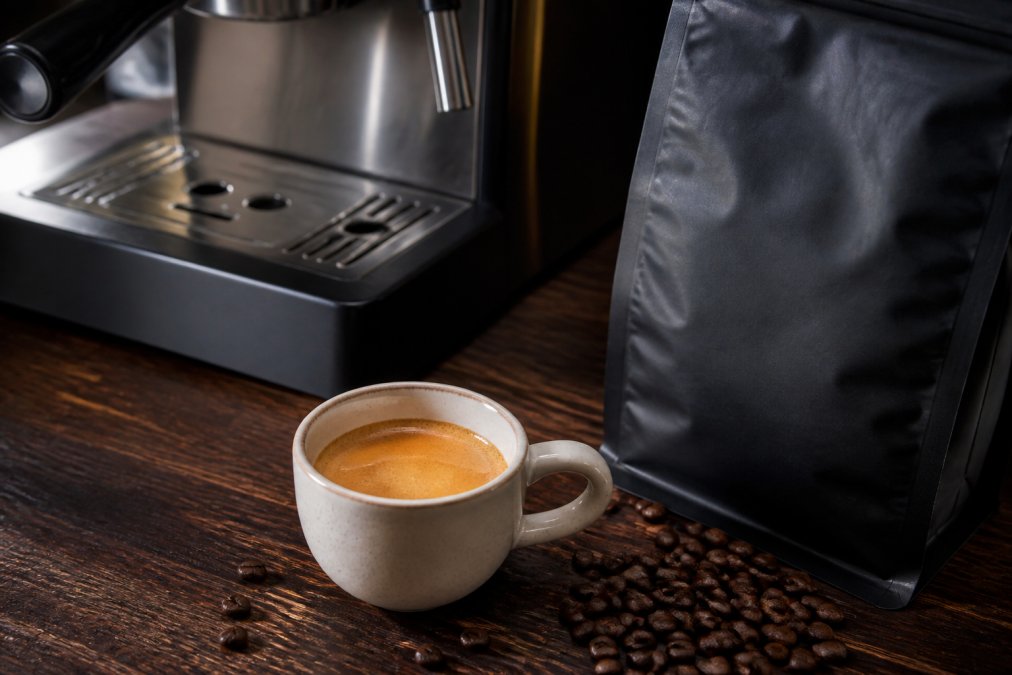
6 Bean Blend: The Everyday Dark Roast Workhorse
The 6 Bean Blend is a dark roast house blend built from coffee sourced around the world, and it's the most forgiving bag in the lineup. Dark roasts extract more evenly, so small mistakes in grind size or dose don't wreck the shot. If you drink espresso daily and want consistency over novelty, this is the pick.
Blonde: Sweet Espresso for Light Roast Fans
Blonde is a sweet blend from Central America and Africa, designed specifically for sweet espresso. Lighter roasts reward precision: grind finer, keep your water temperature steady, and you'll get bright acidity and a clean finish. It's the least forgiving option here, and the most rewarding if you like clarity over heaviness.
Italian Roast: The Darkest, Boldest Option
Italian Roast is Cuppari Coffee's darkest roast, a slow-roasted blend of specialty grade Arabica and Robusta. Expect bold, bittersweet flavor with low acidity.
Bali Blue: Single-Origin Complexity for Adventurous Palates
Bali Blue is a medium-dark single-origin from Kintamani, Bali, grown by smallholder farmers at 1,200 to 1,600 meters on volcanic loam. The tasting notes run to dark chocolate, molasses, and brown sugar. It's wet-hulled and dried on raised beds, a process that gives Indonesian coffee its characteristic heavy body and earthy depth.
Equipment Pairing Guide: Matching Beans to Your Espresso Setup
Most subscription advice ignores the machine entirely, which is a mistake. The same bag behaves differently on a $150 portable brewer than on a plumbed-in commercial machine, because the variables that decide a good shot, pressure stability, temperature consistency, and basket geometry, change from machine to machine. Match the bean to the machine's strengths, not to a flavor preference alone.
Why Machine Type Changes the Bean You Should Buy
Three machine characteristics drive the pairing:
- Temperature stability. Machines with small boilers or battery-powered heaters swing several degrees across a shot. Dark roasts tolerate that swing; light roasts do not, because a few degrees too cool pushes a light roast into sour, under-extracted territory.
- Pressure profile. A fixed 9-bar pump delivers consistent pressure. Manual levers and portable brewers ramp pressure by hand or by spring, which changes how fast water moves through the puck and therefore how fine the grind needs to be.
- Basket size and dose. A 58mm commercial basket holds 18-20 g comfortably. Smaller 51mm and pressurized baskets hold less and behave differently with the same grind setting.
Pairing by Setup
- Portable and battery-powered brewers: The Nano Portable Espresso Machine weighs 670 grams, heats in about 200 seconds, and reaches 20 bars of pressure. Pair it with Italian Roast or 6 Bean Blend. Dark roasts extract more evenly across temperature swings, so a portable brewer's inconsistency matters less. Avoid light roasts here, you will chase sourness for weeks and blame the beans.
- Manual levers and hand grinders: These reward control. The OutIn Fino Portable Electric Coffee Grinder offers 28 grind levels with stepless micro-adjustment, which lets you dial in a light roast like Blonde. Start at grind level 2-1 with the Nano, then adjust by taste. A lever machine paired with a light roast is the most demanding combination in home espresso, and the most rewarding when it works.
- Semi-automatics with PID temperature control: These hold temperature within a degree or two, which unlocks the full range. Blonde and Bali Blue both shine here because the machine can hold the temperature a light or medium-dark roast needs.
- Super-automatics: These grind, dose, and tamp internally with less user control. Choose a medium-dark or dark roast, Bali Blue or 6 Bean Blend, because the machine's fixed parameters favor beans with a wider margin for error.
- Milk drinks: The OutIn LattoGo produces dense, stable foam for latte art. Blonde and Bali Blue both hold up well under milk without disappearing. Italian Roast is the pick if you want the coffee to cut through a heavy milk drink.
- Shot volume: The Espresso Set's 75ml cups match the extraction output of the Nano and most standard machines, so you can compare shots across setups without changing the vessel.
A Simple Rule of Thumb
If your machine holds temperature tightly, buy any roast you like. If it swings, buy darker. If you have full manual control, buy lighter and dial it in. The bean is only half the equation, the machine decides how much of the bean you can actually taste.
Troubleshooting Subscription Beans: Fixing Sour, Bitter, and Weak Shots
Subscription beans fail differently than grocery-store beans. They usually arrive either too fresh, still degassing, or past their peak because a shipment sat in transit. Both problems look like a grind issue but are not. Diagnose the bean first, then the grind.
Step 1: Check the Roast Date Before You Change Anything
Look at the roast date on the bag. Espresso typically peaks somewhere between a few days and a couple of weeks after roasting. If the bag is less than four days old, the beans are still releasing carbon dioxide, and that gas disrupts water contact in the portafilter. The shot will run fast, taste sharp or gassy, and sputter unevenly.
Step 2: Adjust One Variable at a Time
Once you have confirmed the beans are in their window, dial in systematically. Change one variable, pull a shot, taste, then change the next.
- Sour, sharp, or salty: Under-extraction. Grind finer, raise water temperature slightly, or extend shot time.
- Bitter, dry, or ashy: Over-extraction. Grind coarser, lower temperature, or shorten the shot.
- Weak, watery, no crema: Increase your dose, check bean freshness, or replace old beans.
- Gassy, sputtering, uneven flow: The beans are still degassing. Wait two or three days.
- Channeling (fast, uneven flow with a pale center): Improve distribution and tamp, or grind slightly finer to increase puck resistance.
Step 3: Log Each Bag
A common mistake is changing three variables at once and losing track of what worked. Log your grind setting, dose, and shot time for each bag. After two or three bags, you will know your machine's sweet spot, and you will know how a new bag's roast date shifts that sweet spot.
Cost Per Shot: What an Espresso Subscription Really Costs
A $21.99 bag of Cuppari Coffee beans yields roughly 18 to 20 double shots, which puts the cost per shot at about $1.10 to $1.20 before milk or sweetener. A comparable cafe double espresso usually runs several times that.
Here's the math for a two-shot daily drinker:
- One bag lasts about 9 to 10 days
- Three bags per month covers a daily habit
- Free shipping applies on all U.S. orders, so the bag price is the full cost
Cost per shot is the only number that matters when comparing subscriptions. A cheaper bag that yields fewer shots can cost more per cup than a premium bag roasted to order.
Frequently Asked Questions
Which coffee bean subscription is best for espresso?
The best espresso subscription delivers freshly roasted whole beans with a clear roast date and enough flexibility to match your consumption. Look for blends designed for espresso, like the 6 Bean Blend or Italian Roast, which are roasted to pull rich crema and balanced shots. Single-origin options such as Bali Blue work well if you want distinct tasting notes. The key is ordering beans roasted within days of shipping, not weeks.
How does roast date affect espresso extraction?
Beans hit their espresso sweet spot roughly 3 to 7 days after roasting. Before that, degassing releases carbon dioxide that disrupts extraction and produces uneven, gassy shots. After two to three weeks, oxidation flattens aroma and crema. A subscription that roasts after you order and ships the same day keeps your beans inside that window. Check the roast date on every bag, not just the best-by date.
Can I use regular coffee beans for espresso?
You can, but results vary. Espresso machines push water through finely ground coffee at high pressure, so beans roasted specifically for espresso tend to produce better crema, body, and balanced flavor. Light roasts not designed for espresso can taste sour or thin. Medium and dark roasts, like the 6 Bean Blend or Italian Roast, extract more reliably. If you already own a grinder, adjust grind size before blaming the beans.
Is a coffee subscription worth it for home espresso enthusiasts?
For daily espresso drinkers, yes. A subscription solves the freshness problem that grocery store bags cannot: most retail coffee sits on shelves for weeks before purchase. A freshly roasted espresso beans delivery service ships within days of roasting, so your shots taste noticeably better. It also removes the guesswork of reordering. If you pull one or two shots a day, a biweekly or monthly plan keeps you stocked without waste.
Espresso subscriptions only pay off when the beans arrive fresh and match your machine. Cuppari Coffee roasts every order the day it's placed, ships the same day, and covers shipping on all U.S. orders, so the bag you open is the bag that was roasted for you. Start with the 6 Bean Blend if you want an easy daily pour, or try Blonde and Bali Blue side by side if you're still figuring out your palate. Add to cart and pull your first shot this week.