

Table of Contents
- How We Compared Eco-Friendly Coffee Delivery Services
- What Makes a Coffee Delivery Service Truly Eco-Friendly?
- Cuppari Coffee: Roast-to-Order Freshness With a Minimal Footprint
- Atlas Coffee Club: Direct Trade and Global Traceability
- Verena Street: USDA Organic Certification You Can Verify
- Bean Box: Curated Roasters With a Waste-Reduction Focus
- The Freshly Roasted Coffee Subscription Benefits for the Planet
- Comparing Sustainable Coffee Subscription Boxes Side by Side
- Frequently Asked Questions
Last Updated: September 5, 2026
Choosing truly eco-friendly coffee delivery services requires looking past green packaging claims to actual sourcing and roasting practices. For daily coffee drinkers, the decision comes down to verifiable certifications, supply chain transparency, and how a roaster handles freshness. This guide from Cuppari Coffee evaluates leading sustainable options on criteria that matter most, helping you find a service that aligns with your values without sacrificing quality.
The market for sustainable coffee has grown quickly, yet not every service labeled "eco-friendly" delivers. Some use compostable bags but source beans from farms with questionable labor practices, while others prioritize organic certification but ship coffee roasted weeks earlier. Below, we separate genuine environmental stewardship from marketing buzzwords, then compare top services.
How We Compared Eco-Friendly Coffee Delivery Services
We evaluated each service against strict environmental and quality benchmarks rather than self-reported claims, covering certification verification, packaging lifecycle, shipping logistics, and sourcing transparency.
A common mistake is assuming one sustainable attribute makes an entire operation eco-friendly. A service can use recyclable packaging yet source beans from farms practicing deforestation. We weight each factor equally and also examined roast date transparency, since coffee that sits in warehouses loses flavor and requires more resources to make drinkable.
What Makes a Coffee Delivery Service Truly Eco-Friendly?
A truly eco-friendly coffee delivery service minimizes environmental harm across the entire supply chain, from farm to cup, including sustainable farming, efficient roasting, minimal packaging waste, and carbon-conscious shipping. Moving beyond buzzwords requires understanding the mechanisms behind each claim.
Most services talk about being green, but few address the full picture. The environmental impact of coffee extends far beyond the bag it arrives in. USDA organic certification standards define what "organic" actually means for farming practices, covering soil quality, pest management, and prohibited substances. Similarly, Fair Trade Certified requirements ensure farmers receive fair compensation and work under safe conditions.
The Packaging Lifecycle: Why "Compostable" Isn't Always Better
A critical distinction is between packaging that can be composted and packaging that actually gets composted. "Compostable" typically refers to industrial facilities requiring temperatures and conditions home bins rarely reach. Without industrial composting pickup, a compostable bag in a landfill won't break down faster than conventional plastic.
Recyclable packaging faces a similar challenge. Coffee bags are often multi-layer laminates combining plastic and foil, making them difficult to process in standard recycling. Some roasters use mono-material polypropylene bags, which are technically recyclable only if consumers properly clean and sort them.
Reusable packaging systems, where you return the container for refilling, offer the lowest lifecycle impact per use but require significant consumer behavior change and shipping logistics that add weight and fuel consumption. A common pattern in lifecycle assessments is that the production phase of packaging often outweighs disposal impacts, favoring lightweight materials even if they aren't biodegradable. Research on coffee packaging lifecycles confirms this finding across multiple studies.
When evaluating a service, ask: What material is the bag? Does your local facility accept it? Does the roaster provide clear disposal instructions? Lightweight, widely recyclable packaging may beat heavy compostable bags that never reach a composter.
Carbon Offsets vs. Carbon-Neutral Supply Chains
Carbon neutrality is another murky area. Many services purchase carbon credits to offset shipping emissions, funding renewable energy or reforestation elsewhere. While offsets can deliver genuine benefits, they don't reduce the emissions your coffee generates, they're a financial transaction, not a supply chain change.
A more rigorous approach is a carbon-neutral supply chain, where the roaster reduces emissions at each stage: electric or hybrid delivery vehicles, renewable-energy roasting, shade-grown farms that sequester carbon, and optimized shipping routes.
To verify claims, look for third-party verification of carbon accounting. Some roasters publish annual sustainability reports; others partner with organizations like Climate Neutral. A company that restructures logistics to eliminate unnecessary flights and consolidate shipments does more than one writing a check to a carbon fund.
The biggest environmental cost in coffee production is often water usage during washing and processing. Washed coffees, dominating specialty markets, use significantly more water than natural or honey-processed coffees. Shade-grown coffee supports biodiversity and requires fewer chemical inputs. These factors matter more than whether the outer shipping box is recyclable.
Cuppari Coffee: Roast-to-Order Freshness With a Minimal Footprint
Our top pick is Cuppari Coffee, pairing environmental responsibility with an uncompromising freshness guarantee. Every order is roasted only after you place it, then shipped the same day, eliminating waste from roasting large batches that may go unsold.
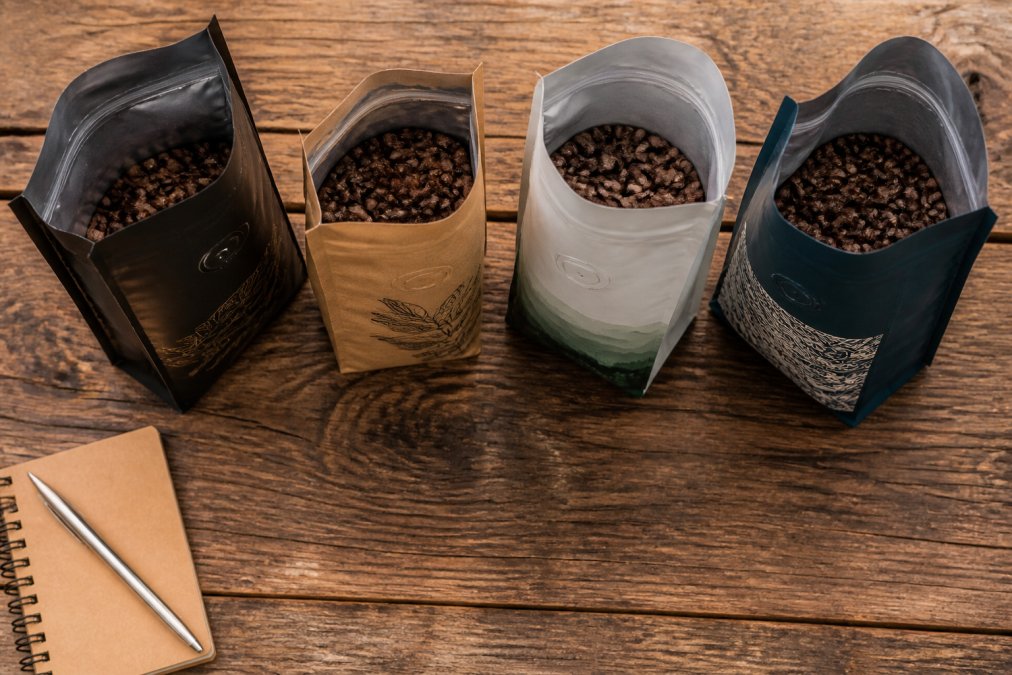
This roast-to-order model means no coffee sits in warehouses, reducing energy from long-term storage. The sealed capsules contain no oxygen, preserving freshness without preservatives. Cuppari leads on freshness and waste reduction, with free U.S. shipping and diverse single origin, blend, and flavored options.
Atlas Coffee Club: Direct Trade and Global Traceability
Atlas Coffee Club focuses on global exploration through direct-trade relationships. Each month features single-origin beans from a different country, with educational postcards tracing the coffee's journey from farm to roaster.
Atlas works directly with growers, cutting out middlemen and ensuring more money reaches the farm level, fostering long-term relationships rather than transactional purchases. Pricing starts at approximately $16 per bag.
The trade-off is Atlas limits itself to single-origin offerings. If you prefer consistent blends, the rotating selection may not suit your routine. The educational angle adds packaging some eco-conscious consumers might find excessive.
Verena Street: USDA Organic Certification You Can Verify
Verena Street offers USDA Organic-certified beans with a fresh-roast-to-order model. The certification provides third-party verification that farming practices meet strict environmental standards.
This service roasts only after you order, ensuring peak freshness. Customizable subscription frequency controls delivery timing, reducing the risk of accumulating more coffee than you can drink. The roasting facility follows environmentally conscious practices, though specifics vary by location.
The main limitation is variety, Verena Street doesn't rotate through multiple roasters, so you won't discover new brands. For consumers prioritizing certified organic above all, this consistency is a feature rather than a drawback.
Bean Box: Curated Roasters With a Waste-Reduction Focus
Bean Box curates beans from award-winning roasters, offering individual bags and tasting flights. With over 1,200 subscription options, it provides the widest selection while supporting small-batch roasters.
The variety lets you sample different roast profiles, origins, and processing methods without committing to a single source. Member savings of 10% reward frequent buyers, and free shipping kicks in over $45. This model reduces waste by letting you order exactly what you want.
However, the free shipping threshold may push you toward larger orders than needed, leading to coffee sitting longer than optimal. The curated approach also means trusting Bean Box's taste preferences rather than developing a direct relationship with a single roaster.
The Freshly Roasted Coffee Subscription Benefits for the Planet
Freshly roasted coffee subscription benefits extend beyond taste into measurable environmental advantages. Roast-to-order beans skip the warehousing and extended storage of mass-market distribution.
Coffee loses flavor rapidly after roasting, which is why grocery store beans often taste flat. By eliminating storage time, roast-to-order services reduce energy for climate-controlled warehousing and prevent discarding stale coffee.
The environmental impact of coffee packaging waste is significant, which is why EPA guidelines on sustainable packaging emphasize source reduction and recyclability. Many subscription services now use compostable bags or fully recyclable materials, though the availability of industrial composting facilities varies by region. Research on coffee packaging lifecycles shows that the production phase of packaging often outweighs disposal impacts, favoring lightweight materials even if they aren't biodegradable.
Comparing Sustainable Coffee Subscription Boxes Side by Side
The table below summarizes how these sustainable coffee subscription boxes compare across key criteria, including operational details that determine whether a subscription fits your lifestyle and environmental priorities.
| Service | Sourcing Model | Freshness Approach | Packaging | Shipping | Price Range | Cancellation Policy | Best For |
|---|---|---|---|---|---|---|---|
| Cuppari Coffee | Single origin, blends, flavored | Roast-to-order, same-day ship | Sealed capsules with no oxygen inside; lightweight design | Free shipping on all U.S. orders | Varies by selection; competitive with specialty retail | Flexible; no long-term commitment required | Freshness-focused daily drinkers |
| Atlas Coffee Club | Direct trade, single origin | Monthly rotating origins | Educational postcards add packaging weight; bag materials vary by origin | Standard shipping fees apply | Approximately $16 per bag | Pause or cancel anytime online; no phone call required | Adventurous global explorers |
| Verena Street | USDA Organic certified | Roast-to-order | Standard recyclable bags; check local facility acceptance | Standard shipping; free over threshold | Mid-range for certified organic | Customizable frequency; cancel via account dashboard | Certified organic purists |
| Bean Box | Curated multi-roaster | Weekly or monthly delivery | Individual bags from multiple roasters; packaging varies | Free shipping over $45 | Member savings of 10% on additional purchases | Cancel online; member benefits tied to active subscription | Variety-seeking enthusiasts |
Subscription Cancellation Friction: The Hidden Environmental Cost
A factor most guides overlook is how easy it is to pause or cancel a subscription. This matters environmentally because the most sustainable coffee is the coffee you actually drink. Difficult cancellations lead to over-ordering, stale beans, and waste, undoing eco-friendly sourcing benefits.
Cancellation policies vary significantly. Some allow pausing deliveries from your dashboard with two clicks; others require emailing support. A common pattern is frustration with services using retention tactics like discount offers that require staying subscribed.
Before committing, check the cancellation policy. Look for whether you can pause rather than cancel, whether changes take effect before the next billing cycle, and whether there's a minimum commitment. Annual contracts may offer lower per-bag pricing but reduce flexibility.
Price Per Cup: The Real Cost of Sustainable Coffee
Comparing services on price requires calculating cost per cup, not just per bag. A standard 12-ounce bag yields approximately 32 cups at a typical 10-gram ratio. At $16 per bag, that's $0.50 per cup, comparable to a basic latte but with better environmental credentials than disposable cups and single-use pods.
Services charging $20 or more per bag push per-cup cost above $0.60, which may be justified by direct-trade premiums or organic certification. The key question is whether price reflects genuine environmental investment or premium branding. Look for roasters disclosing farm-gate prices as a percentage of retail. Direct-trade models typically return 2-3 times commodity prices to farmers, supporting sustainable practices that might otherwise be economically unviable.
Consider what matters most in your daily routine. If you value knowing exactly when beans were roasted and want flexibility, Cuppari Coffee's roast-to-order model delivers unmatched freshness with minimal overhead. For those prioritizing third-party organic certification, Verena Street provides verifiable standards. Atlas suits curious drinkers, while Bean Box offers maximum variety.
The most eco-friendly choice depends on which environmental factors you weight highest. Every service here beats supermarket coffee on freshness and sourcing transparency. The question is which trade-offs fit your priorities, direct trade, organic verification, or waste minimization through roast-to-order production.
Frequently Asked Questions
What is the best eco-friendly coffee delivery service?
The best service depends on your priorities. If you value roast-to-order freshness and free shipping, Cuppari Coffee roasts beans only after you order and ships the same day. For certified organic coffee, Verena Street holds USDA Organic certification. Atlas Coffee Club focuses on direct-trade relationships with global farms. Compare their sourcing standards and packaging to decide which eco-friendly coffee delivery service matches your values.
Are Fair Trade and Organic certifications enough to ensure sustainability?
Certifications like USDA Organic and Fair Trade are strong starting points, but they don't cover the full picture. Look for details on shipping logistics, packaging materials, and roast schedules. A service that roasts to order reduces waste from unsold inventory. Ask whether packaging is compostable or recyclable and whether the roaster offsets shipping emissions. These factors matter as much as the certification labels on the bag.
How do coffee pod subscriptions compare to whole bean delivery in terms of waste?
Whole bean delivery generally produces less waste than single-use pods, even when pods are labeled compostable. Many compostable pods require industrial facilities that aren't available everywhere. Whole bean coffee ships in bags that are more likely to be recyclable or compostable at home. If you prefer pods for convenience, look for services that use oxygen-sealed capsules and verify that your local waste service accepts them.
What are the benefits of choosing a sustainable coffee subscription box?
A sustainable coffee subscription box reduces your environmental impact through ethical coffee sourcing standards, lower packaging waste, and efficient shipping logistics. Many services roast only after you order, which gives you fresher coffee while avoiding the waste of mass-produced inventory. You also support farmers directly when the roaster uses direct trade or fair trade practices. The result is a better cup that aligns with your values.
This article was written using GrandRanker