

Table of Contents
- What Makes Fresh Coffee Beans Suitable for Drip Machines
- Benefits of Roasted-to-Order Coffee for Daily Brewing
- Best Grind Size for Drip Coffee Makers
- Single Origin vs. Blends: Which Works Better for Drip
-
Top Fresh Coffee Bean Options for Drip Brewing
- 1. Cuppari Coffee: Roasted Same Day, Shipped Fresh
- 2. Koffee Kult Single Origin: Distinct Flavor Profiles
- 3. Blue Bottle Coffee: Carefully Sourced Single Origins
- 4. Press Coffee Roasters: Small-Batch Specialty Beans
- 5. Atlas Coffee Club: Monthly Discovery Subscription
- 6. Brooklyn Lab Coffee: Drip-Focused Variety Pack
- 7. Dript Coffee Co.: Consistent Everyday Rotation
- How to Store Coffee Beans for Freshness
- Subscription vs. Retail: Finding Your Best Option
- Troubleshooting Bitter or Sour Drip Coffee
Last Updated: August 21, 2026
What Makes Fresh Coffee Beans Suitable for Drip Machines
Freshness is the foundation of exceptional drip coffee. Within 3-7 days after roasting, whole bean coffee hits its sweet spot for drip brewing, gases have settled enough for even extraction, but volatile aromatics and oils that define taste remain present (peer-reviewed research). Roasted-to-order coffee from sources like Cuppari Coffee delivers noticeably better results than grocery store options that may have been sitting for weeks or months.
Fresh beans extract evenly. Older beans extract unevenly, creating bitterness in some particles and sour notes in others. The best whole bean coffee for drip comes from roasters who print the roast date prominently on the bag, eliminating guesswork about freshness.
Benefits of Roasted-to-Order Coffee for Daily Brewing
Roasted-to-order coffee eliminates freshness guesswork. Beans are roasted specifically for your order and shipped the same day, guaranteeing you're brewing with beans at their peak. The practical benefit is immediate: cleaner cups with brighter acidity and more defined flavor notes.
Many coffee enthusiasts discover they don't need expensive equipment when they switch to fresh beans. A standard drip machine with freshly roasted coffee outperforms an expensive machine with stale beans. Roasted-to-order services also provide consistency, every bag arrives in the same condition relative to roast date, making it easier to dial in your grind size and brew time. Subscription models ensure you never run out of fresh coffee.
Best Grind Size for Drip Coffee Makers
The ideal grind size for drip coffee makers is medium, roughly the texture of sea salt (sca.coffee). This allows water to flow through grounds in 4-6 minutes, extracting full flavor without excessive bitterness (sca.coffee).
Too coarse produces sour, under-extracted coffee. Too fine produces bitter, over-extracted coffee. Start with medium and adjust based on taste: grind finer if sour, coarser if bitter.
Most roasters provide grind options when you order. If you choose pre-ground, specify "drip" or "medium" grind, but buy smaller quantities more frequently since pre-ground stales faster. A burr grinder produces uniform particles and is worth the investment for consistent results.
Single Origin vs. Blends: Which Works Better for Drip
Single origin coffee comes from one specific region or farm and showcases distinct flavor characteristics. Ethiopian coffees tend toward bright, fruity notes; Kenyan coffees feature berry qualities; Sumatran coffees lean earthy and full-bodied.
Blends combine beans from multiple origins to create balanced, consistent cups that are more forgiving if your technique isn't perfect. Single origins demand slightly more precision with grind size and water temperature to shine.
For subscription services, single origin options let you build a rotation across different regions. If you're new to specialty coffee, start with a quality blend. Once you understand your preferences, explore single origins to discover which regions you enjoy most.
Top Fresh Coffee Bean Options for Drip Brewing
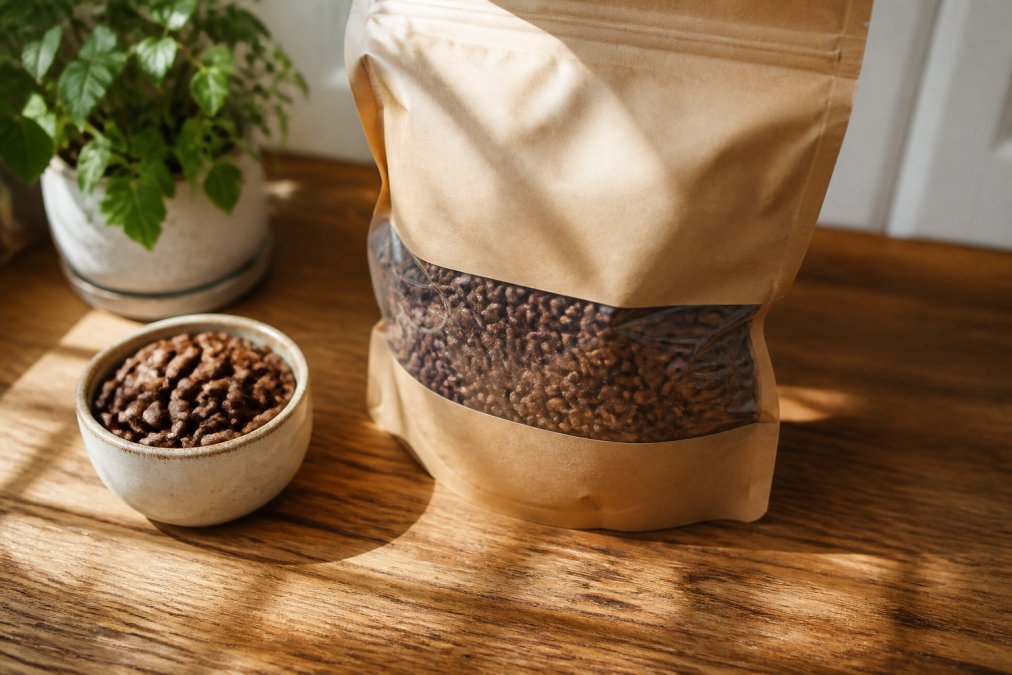
1. Cuppari Coffee: Roasted Same Day, Shipped Fresh
Cuppari Coffee's roast-to-order model guarantees maximum freshness, beans are roasted only after your order is placed, then shipped the same day. Free shipping on all U.S. orders removes friction when trying a new roaster. The subscription is flexible: customize delivery frequency and bag quantity, skip months, or adjust order size without rigid commitments.
2. Koffee Kult Single Origin: Distinct Flavor Profiles
Koffee Kult focuses exclusively on single origin coffees, roasted to order with rotating seasonal selections. Each origin includes detailed tasting notes and brewing guidance. Their roast-to-order commitment ensures freshness comparable to Cuppari Coffee, with guidance on grind size and water temperature for each origin.
Pros: Emphasis on unique character, roasted to order, educational approach Cons: Limited blend options, shipping costs may apply
3. Blue Bottle Coffee: Carefully Sourced Single Origins
Blue Bottle's rotating selection of single origin coffees comes from carefully vetted producers with detailed tasting notes and farm information. The brand emphasizes quality sourcing and transparent ethical practices. Their roast profiles bring out clarity and balance, making coffees forgiving in drip machines.
Pros: High-quality sourcing, detailed tasting notes, strong ethical practices Cons: Higher price point, rotating selection means favorites may disappear
4. Press Coffee Roasters: Small-Batch Specialty Beans
Press Coffee Roasters operates on a small-batch, roast-to-order model, shipping within 2 business days. Their sourcing emphasizes direct relationships with producers. Each roast is carefully monitored and adjusted, with attention showing in the cup. Free shipping on orders over $50.
Pros: Guaranteed freshness, specialty-grade beans, direct producer relationships Cons: Minimum order for free shipping, smaller selection
5. Atlas Coffee Club: Monthly Discovery Subscription
Atlas Coffee Club delivers single origin coffees from a different country each month, with postcards featuring tasting notes, brewing tips, and producer information. The subscription removes decision fatigue and emphasizes ethical sourcing with above fair trade pricing. Grind options include drip-specific grinding.
Pros: Exciting discovery model, ethically sourced, educational component Cons: Less control over selections, subscription commitment required
6. Brooklyn Lab Coffee: Drip-Focused Variety Pack
Brooklyn Lab Coffee's Drip Coffee Trio offers three freshly roasted coffees specifically selected for drip brewing, allowing you to sample multiple origins without committing to full-size bags. Roasted to order with positive customer feedback on freshness and taste.
Pros: Convenient sampling, emphasizes freshness, positive customer feedback Cons: Trio format may be larger initial commitment, specific origins vary
7. Dript Coffee Co.: Consistent Everyday Rotation
Dript Coffee Co.'s "The Solid" subscription delivers rotating classic brews designed for everyday drinking without requiring precision technique. Highly customizable: choose roast preferences, bag quantity, and delivery frequency. Pause or skip months without penalty.
Pros: Convenient subscription with high customization, good value, approachable coffees Cons: Less focus on rare single origins, requires subscription commitment
| Roaster | Model | Best For | Standout Feature |
|---|---|---|---|
| Cuppari Coffee | Roast-to-order, same-day shipping | Freshness guarantee seekers | Free shipping all U.S. orders |
| Koffee Kult | Roast-to-order, single origin focus | Flavor profile explorers | Detailed tasting notes per origin |
| Blue Bottle | Rotating selection, subscription available | Quality-conscious consumers | Transparent ethical sourcing |
| Press Coffee Roasters | Small-batch, roast-to-order | Artisanal roasting supporters | Direct producer relationships |
| Atlas Coffee Club | Monthly subscription discovery | Educational coffee journey | Country-focused monthly themes |
| Brooklyn Lab Coffee | Variety pack, roast-to-order | Sampler-first buyers | Pre-curated trio selection |
| Dript Coffee Co. | Customizable subscription | Everyday reliable drinkers | Highly flexible customization |
How to Store Coffee Beans for Freshness
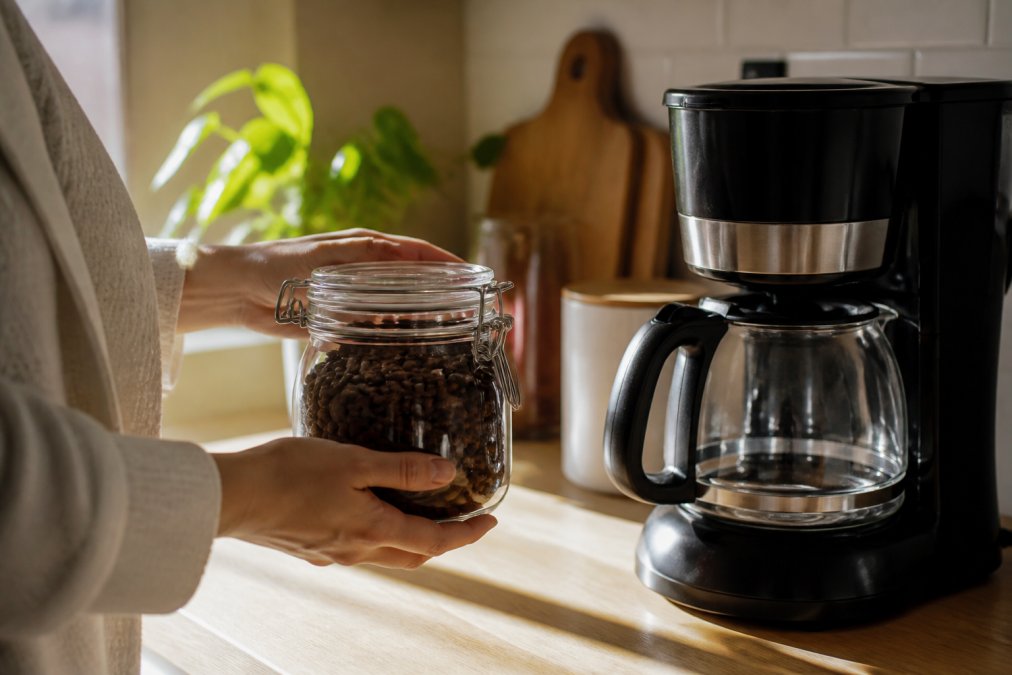
Storage conditions determine how long fresh coffee beans maintain quality. The enemies of freshness are oxygen, light, heat, and moisture. The best storage container is airtight and opaque, dark glass jars with rubber seals or stainless steel canisters work well. Avoid clear plastic or paper bags.
Store at room temperature (60-70°F) away from stoves, windows, and humidity. Coffee is hygroscopic and absorbs moisture from air, accelerating staling. Don't refrigerate or freeze whole beans; temperature fluctuations cause condensation and introduce moisture.
Grind only what you'll brew immediately. Ground coffee stales much faster than whole beans due to increased surface area exposure to oxygen. Beans stored properly at room temperature in an airtight container remain optimal for 3-7 days after roasting and good for 2-4 weeks. After a month, flavor degradation becomes noticeable.
Subscription vs. Retail: Finding Your Best Option
Subscriptions solve the logistics problem, beans arrive on your schedule, ensuring you're always within the optimal freshness window. Most roasters discount subscription pricing compared to one-off purchases. The downside is inflexibility; you're committed to deliveries unless you actively pause or skip months.
Retail purchasing gives complete control: buy when you want, try different roasters without commitment, order small quantities to experiment. The tradeoff is higher per-bag pricing and responsibility for remembering to reorder. Retail also introduces freshness risk unless buying from a local roaster or service like Cuppari Coffee that ships quickly.
For most daily coffee drinkers, subscription makes sense. The convenience, pricing, and freshness guarantee outweigh inflexibility. Start with a service allowing easy pausing or modification.
Troubleshooting Bitter or Sour Drip Coffee
Bitter coffee signals over-extraction, water spent too long with grounds. Sour coffee signals under-extraction, water moved through too quickly.
For bitter coffee: grind coarser, lower water temperature slightly (aim for 195-205°F), or use less coffee. For sour coffee: grind finer, increase water temperature, or use more coffee.
Fresh coffee beans are forgiving. If your coffee tastes off, the problem is rarely the beans, it's grind size or water temperature. Water quality also matters; hard water or high mineral content affects extraction. If you've dialed in grind size and temperature and coffee still tastes off, switching to fresh beans from a roasted-to-order source like Cuppari Coffee often solves the problem immediately.
The difference between mediocre and exceptional drip coffee comes down to freshness. Everything else, grind size, water temperature, brew time, is refinement. Fresh beans from a roasted-to-order roaster delivered within days of roasting and stored properly eliminate guesswork. You're working with beans at their peak, making dialing in your brew straightforward and results consistently delicious.
Frequently Asked Questions
How can you tell if coffee beans are truly fresh?
Fresh coffee beans should have a roast date printed on the bag, look for beans roasted within the last 2-3 weeks. The beans should smell strongly aromatic when you open the bag. Avoid beans with no roast date, dull color, or a stale smell. Roasted-to-order services like Cuppari Coffee guarantee freshness by roasting and shipping the same day, eliminating guesswork about age.
What is the best coffee bean for drip coffee?
The best fresh coffee beans for drip depend on your taste preference. Medium roast beans offer balanced flavor and acidity ideal for drip machines. Single-origin beans highlight specific regional characteristics, Ethiopian beans bring bright, fruity notes; Brazilian beans offer chocolate and nutty flavors. Blends provide consistency and balanced body. Look for beans labeled for drip brewing, whole bean format, and a recent roast date. Specialty roasters like Koffee Kult and Blue Bottle offer curated selections specifically suited to drip extraction.
How long do fresh coffee beans stay fresh after roasting?
Fresh coffee beans peak in flavor between 3-7 days after roasting, when CO2 release has stabilized and the bean's oils have fully developed. They remain usable for up to 4 weeks if stored properly in an airtight container away from light and heat. After 4 weeks, flavor begins to fade noticeably. This is why roasted-to-order services that ship within days of roasting, like Cuppari Coffee, deliver superior freshness compared to retail bags that may have sat in warehouses for months.
Does the grind size matter for drip coffee machines?
Yes, grind size significantly affects drip coffee flavor. Drip machines require a medium grind, similar in texture to sand or sea salt. Too fine a grind causes over-extraction and bitter taste; too coarse results in sour, under-extracted coffee. Most roasters offer pre-ground options optimized for drip, or you can grind whole beans at home using a burr grinder set to medium. Grinding fresh beans just before brewing preserves aroma and flavor better than pre-ground coffee.
Is there a difference between drip coffee beans and espresso beans?
Any coffee bean can technically be used for either method, but the roast level and grind size matter. Espresso typically uses darker roasts ground very fine for concentrated shots. Drip coffee works best with light to medium roasts ground medium-coarse to allow proper water flow and extraction time. The same roaster often sells the same origin in both formats, the key difference is how you grind and brew. For drip, choose beans marketed as drip-suitable or medium roast to avoid over-extraction.
This article was written using GrandRanker