

Table of Contents
- How We Evaluated the Best Fresh Roasted Coffee Delivery Services
- Quick Comparison: Top Fresh Roasted Coffee Delivery Services
- Cuppari Coffee: Roasted and Shipped the Same Day
- Trade Coffee: Best for Discovering Independent Craft Roasters
- Atlas Coffee Club, Bean Box, and More: Specialty Picks Worth Trying
- What Is a Roast to Order Coffee Subscription and Why Does It Matter?
- Understanding the Coffee Freshness Window After Roasting
- How to Store Coffee Beans After Delivery to Lock In Freshness
- Which Fresh Roasted Coffee Delivery Service Should You Choose?
- Conclusion
Last Updated: May 12, 2026
Finding the best fresh roasted coffee delivery service is harder than it looks. At Cuppari Coffee, we've watched the specialty coffee subscription market grow more crowded every year, and the gap between services that genuinely roast to order and those that ship warehouse stock is wider than most guides admit. This breakdown covers the top services in 2026, ranked by actual freshness practices, sourcing transparency, pricing, and flexibility. Below, we'll show you exactly how each service differs, which one suits your brewing setup, and what most comparison guides consistently get wrong about coffee freshness.
Here's the part most guides skip: the roast date printed on a bag matters more than the brand name on the label. A bag from a prestigious roaster sitting in a warehouse for three weeks will taste worse than a fresh batch from a lesser-known craft roaster shipped the same day it was roasted. Keep that in mind as you read through every option below.
How We Evaluated the Best Fresh Roasted Coffee Delivery Services
Evaluating fresh roasted coffee delivery comes down to four factors that actually predict cup quality. This isn't about marketing language or attractive packaging. It's about the supply chain between the roasting drum and your grinder.
Key Criteria: Freshness, Sourcing, Price, and Flexibility
Freshness is the foundation. A roast-to-order coffee subscription means beans are roasted only after your order is placed, not pulled from pre-roasted inventory. This is the single biggest quality differentiator in the market.
Sourcing covers where beans come from and how transparently that's communicated. Direct trade and fair trade relationships signal a roaster who pays attention to quality at origin. Single-origin offerings with published tasting notes and farm-level traceability are a strong indicator of a serious operation.
Price matters in context. A $22 bag of freshly roasted, direct-trade specialty coffee can represent better value than a $14 bag of commodity beans. We evaluated cost relative to quality delivered, not just the sticker price.
Flexibility covers delivery schedule, grind size options, the ability to pause or skip shipments, and whether whole bean or ground options are available. A coffee subscription that locks you into a rigid cadence quickly becomes a burden.
According to Specialty Coffee Association's consumer research, the specialty coffee segment continues to grow as consumers prioritize origin transparency and freshness over convenience-store familiarity. That shift is exactly why roast-to-order models are gaining ground.
Quick Comparison: Top Fresh Roasted Coffee Delivery Services
| Service | Starting Price | Roast-to-Order | Free Shipping | Best For |
|---|---|---|---|---|
| Cuppari Coffee | See site | Yes | Yes (U.S.) | Freshness-first buyers |
| Trade Coffee | $16.99/bag | Varies by roaster | No (unless bundled) | Discovering indie roasters |
| Atlas Coffee Club | $9.00/half-bag | Yes | No | Single-origin exploration |
| Bean Box | $20.00/shipment | Yes | No | Pacific Northwest variety |
| Onyx Coffee Lab | $21.50/bag | Yes | No | Coffee connoisseurs |
| Counter Culture | $19.50/bag | Yes | Yes (subscription) | Ethical sourcing focus |
| Intelligentsia | $18.00/bag | Yes | Yes (subscription) | Classic specialty experience |
| MistoBox | $20.00/bag | Varies | No | Human-curated selection |
| Blue Bottle Coffee | $22.00/bag | Yes | Yes (subscription) | Brand consistency |
| Driftaway Coffee | $16.00/bag | Yes | No | Palate-matching beginners |
Cuppari Coffee: Roasted and Shipped the Same Day
Cuppari Coffee is the top pick for anyone who treats freshness as non-negotiable. The model is straightforward: beans are roasted only after an order is placed, and every order ships the same day. There is no warehouse inventory sitting between the roaster and your door.
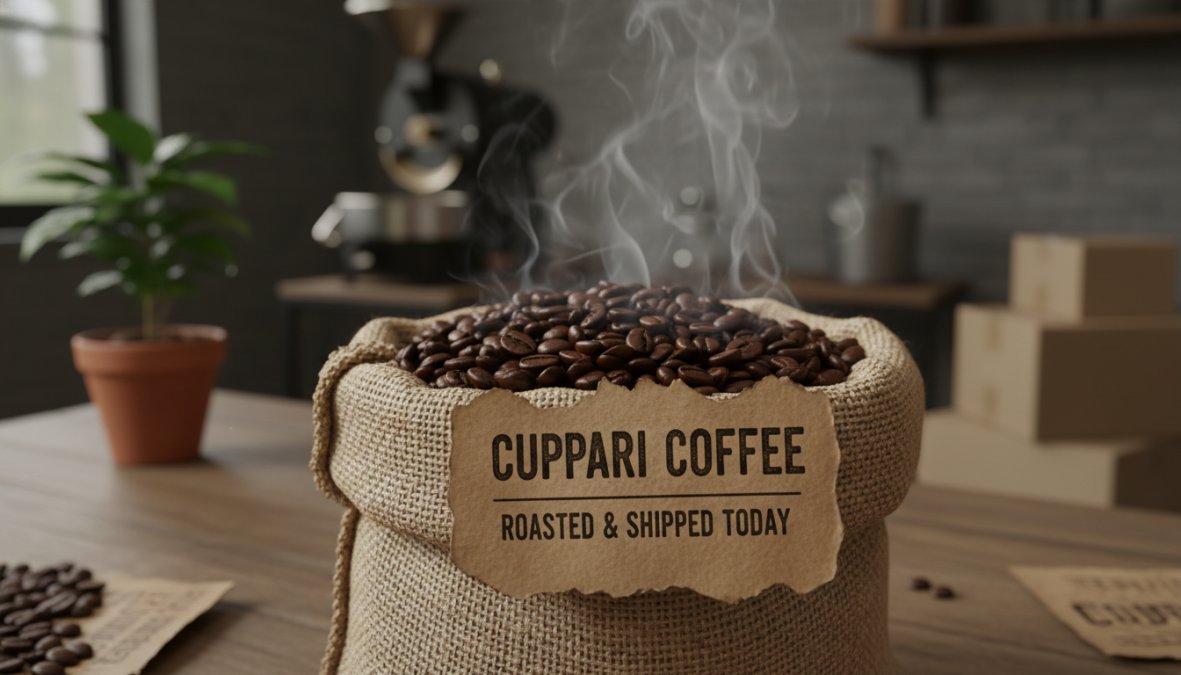
The selection covers single-origin beans, blends, flavored coffees, and coffee pods, alongside a variety of teas. For U.S. customers, free shipping applies to every order, which meaningfully reduces the cost-per-cup compared to services that charge shipping on top of subscription fees.
What stands out here is the pod format. Cuppari Coffee's sealed capsules contain no oxygen inside, which is a real preservation advantage. The improved filter design in the capsules also absorbs more grounds, producing a livelier, cleaner cup compared to standard pod formats. Most pod-based delivery services don't address the oxygen problem at all.
Pros:
- Roast-to-order with same-day shipping
- Free shipping on all U.S. orders
- Wide selection including single-origin, blends, flavored, and pods
- Sealed, oxygen-free capsules for extended freshness
- Teas available for mixed-household shoppers
Cons:
- Pricing details require visiting the site directly
- International shipping availability varies
Trade Coffee: Best for Discovering Independent Craft Roasters
The popular advice for coffee subscriptions is to find one roaster you love and stick with them. Trade Coffee argues the opposite, and the model holds up.
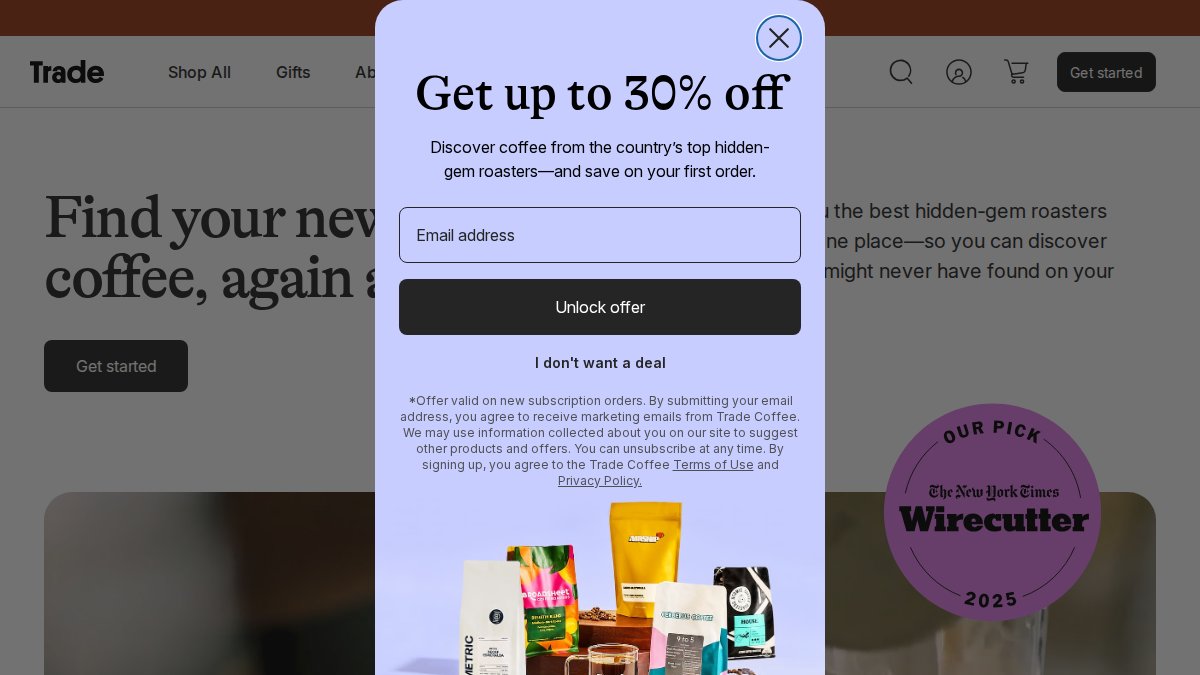
Trade connects subscribers with over 55 independent U.S. roasters through a taste preference quiz. With access to more than 450 coffees, it functions less like a subscription box and more like a curated marketplace for third-wave coffee. The first-match guarantee for new subscribers is a genuine differentiator: if your first bag misses the mark on flavor, they replace it.
Subscriptions start at $16.99 per bag. The main friction point is shipping: fees apply unless you prepay for bundled shipments. For a service built on variety, that adds up over time.
Best for: Coffee lovers who want to explore roasting profiles across many craft roasters before committing to one style.
Atlas Coffee Club, Bean Box, and More: Specialty Picks Worth Trying
This is where the market gets interesting. Several strong services occupy the mid-tier, each with a distinct identity worth understanding before you subscribe.
Atlas Coffee Club: Single-Origin Tasting Flight by Country
Atlas Coffee Club is a travel-themed subscription that delivers freshly roasted, single-origin coffee from a different country each month. Each shipment includes tasting notes, the origin story, and a postcard from the source country, making it the most educational option on this list.
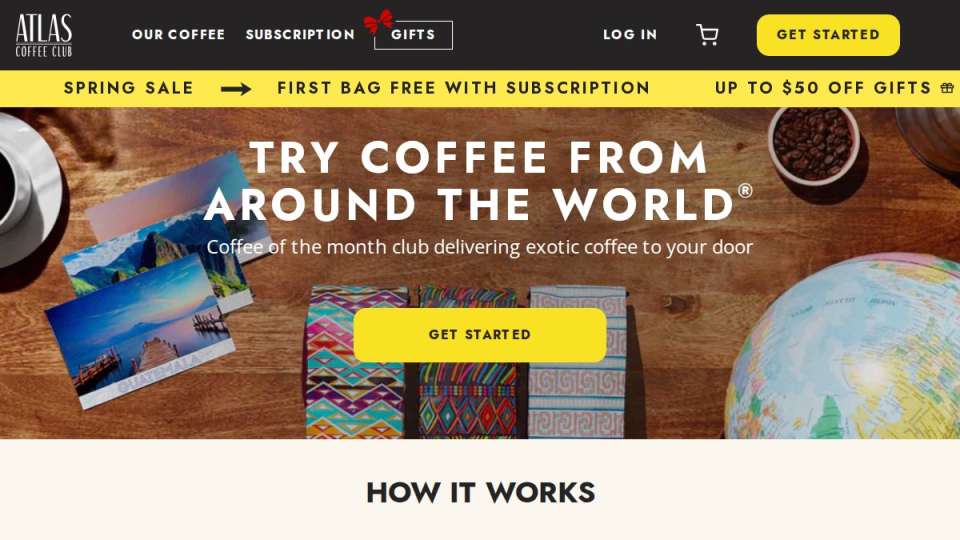
Subscriptions start at $9.00 for a half-bag, with customizable roast levels ranging from light roast to dark roast. Whole bean, ground, and pod formats are available. The limitation is real: you get one featured origin per month with no ability to swap. For a coffee nerd who enjoys the discovery, that's fine. For someone with specific taste preferences, it's a constraint.
Best for: Curious drinkers who want a tasting variety experience tied to global coffee culture.
Bean Box: Small-Batch Curated Selection from Pacific Northwest Roasters
Bean Box takes a sommelier approach to coffee curation. Every shipment is selected by expert coffee sommeliers, focusing on small-batch, specialty coffee from top independent roasters primarily based in the Pacific Northwest.
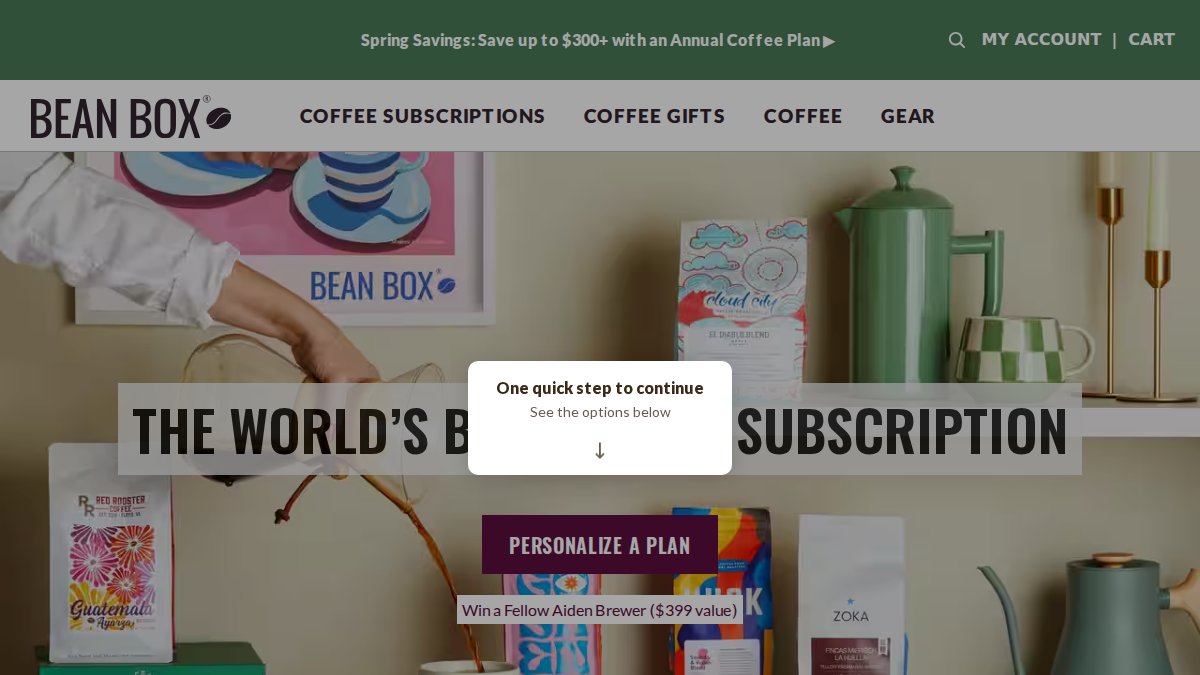
Starting at $20.00 per shipment, bags are 10% larger than standard industry sizes, which is a quiet but meaningful value add. The rewards program returns 5% back in credits on every purchase. Tasting sampler options make Bean Box a strong choice for households that want to try before committing to a full-bag subscription.
Best for: Those who enjoy variety and want to support high-quality, independent roasters with expert curation.
Onyx Coffee Lab and Counter Culture: For the True Coffee Nerd
These two services sit at the premium end of the market, and both earn their price points.
Onyx Coffee Lab (starting at $21.50/bag) is built on transparency. Every coffee comes with full sourcing data, quality scores, and detailed brew guides. The Roaster's Choice subscription features fresh, seasonal single-origins, and the educational resources are among the best in the industry. The premium pricing reflects the sourcing standards, not marketing overhead.
Counter Culture Coffee (starting at $19.50/bag) is a B Corp certified roaster with a direct trade model and annual transparency reports on sourcing and pricing. Free shipping on subscription orders makes the effective cost competitive. The trade-off with both services is that you're limited to their own roasts rather than a multi-roaster marketplace, which suits loyal fans more than variety seekers.
According to B Corp certification standards, companies like Counter Culture must meet rigorous social and environmental performance benchmarks to maintain certification, which adds a layer of accountability beyond marketing claims.
What Is a Roast to Order Coffee Subscription and Why Does It Matter?
A roast-to-order coffee subscription is a fulfillment model where beans are roasted specifically in response to a customer order, rather than pre-roasted in bulk and stored for later shipment. This distinction is the most important factor in fresh coffee delivery quality.
The roast-to-order model matters because coffee begins degassing and oxidizing immediately after roasting. The flavors that define a specialty coffee, including the tasting notes listed on the bag, are most vibrant in the days immediately following the roast. By the time most grocery store coffee reaches a shelf, those flavors have significantly faded.
For subscribers, a roast-to-order coffee subscription means the roast date on the bag reflects when your specific batch was prepared, not when a bulk lot was processed. Services that roast to order typically ship within 24-48 hours of roasting, which means beans arrive at peak freshness.
The common assumption is that all specialty coffee subscriptions work this way. Many do not. Some curated marketplace services ship from roaster inventory that may have been sitting for days before fulfillment. Checking a service's stated roast-to-order policy before subscribing is worth the two minutes it takes.
Understanding the Coffee Freshness Window After Roasting
The coffee freshness window is the period after roasting during which coffee beans retain their peak flavor compounds and aromatic qualities. For most specialty coffees, this window runs from approximately 4 days post-roast (after initial degassing) to around 2-4 weeks, depending on storage conditions.
This is where the roast date becomes critical. A bag without a printed roast date is a red flag. Best-by dates are not a substitute; they tell you nothing about when the beans were actually roasted.
The freshness window varies by roast level:
- Light roast: More delicate, fruit-forward compounds that fade faster. Best consumed within 2-3 weeks of roast.
- Medium roast: Balanced profile with a slightly longer window, roughly 2-4 weeks.
- Dark roast: Bolder, more stable compounds. Can hold flavor for up to 4 weeks, though the freshness advantage of roast-to-order still applies.
Brewing method also affects how clearly you'll taste the difference. Pour-over and French press brewing amplify the nuances of freshly roasted beans. Espresso blends benefit from a short rest period (5-7 days post-roast) to allow CO2 to dissipate for a cleaner extraction. Cold brew is more forgiving of age, though fresh beans still produce a noticeably brighter result.
As documented in research on coffee oxidation and flavor degradation, oxygen exposure is the primary driver of stale flavor development in roasted coffee, which is why sealed, oxygen-free packaging extends the effective freshness window significantly.
How to Store Coffee Beans After Delivery to Lock In Freshness
Proper storage after delivery is where many coffee drinkers lose the freshness advantage they paid for. The goal is simple: minimize exposure to oxygen, moisture, heat, and light.
Follow this checklist after your beans arrive:
- Transfer beans to an airtight container with a one-way valve lid (allows CO2 out, keeps oxygen out)
- Store at room temperature, away from direct sunlight and heat sources
- Keep away from the stovetop, oven, or any appliance that generates heat
- Do not store in the refrigerator: temperature fluctuations cause condensation that degrades flavor
- Freeze only if storing for more than 4 weeks: use a sealed, freezer-safe bag and thaw completely before opening
- Grind only what you need immediately before brewing: pre-ground coffee loses freshness within hours
- Label your container with the roast date so you consume beans within the optimal window
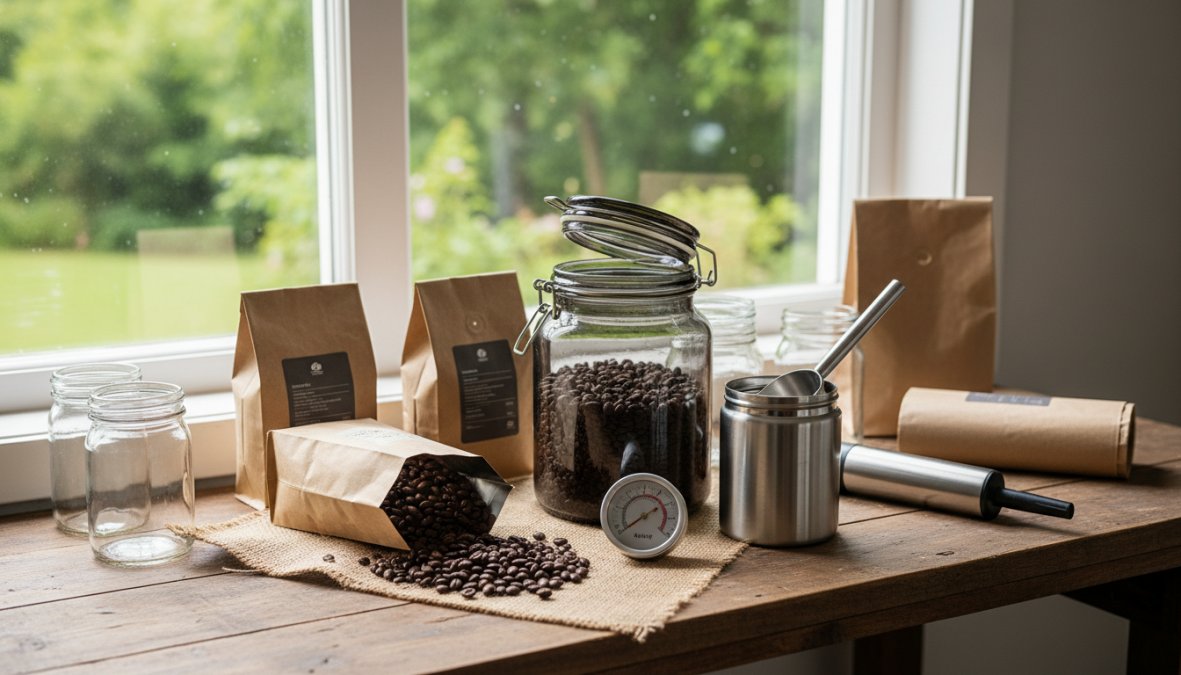
A common mistake is keeping beans in the original bag after opening. Even bags with resealable zippers allow significant oxygen exposure over time. An airtight ceramic or stainless steel canister is a better long-term home for your beans.
Which Fresh Roasted Coffee Delivery Service Should You Choose?
The right choice depends on what you actually want from a subscription, not which service has the most impressive marketing.
Use this decision framework:
Choose Cuppari Coffee if: You want a roast-to-order guarantee with same-day shipping, free U.S. delivery, and the option to order pods, whole bean, or flavored coffees without paying a shipping premium. This is the strongest value proposition for freshness-first buyers.
Choose Trade Coffee if: You want to explore the widest possible range of independent roasters and you're comfortable paying per-bag shipping costs in exchange for access to 450+ coffees.
Choose Atlas Coffee Club if: You want a single-origin tasting flight experience tied to global origins, and you enjoy the educational component of learning where your coffee comes from.
Choose Bean Box if: You want expert-curated small-batch coffees from Pacific Northwest roasters with a rewards program that adds up over time.
Choose Onyx Coffee Lab or Counter Culture if: You're a coffee nerd who prioritizes full sourcing transparency, sustainability credentials, or award-winning specialty beans and you're willing to pay a premium for it.
Choose Driftaway Coffee if: You're newer to specialty coffee and want a scientifically matched subscription built around your actual palate via a blind tasting kit.
One thing most comparison guides miss: subscription cancellation friction varies significantly across these services. Trade Coffee, Bean Box, and Atlas all offer straightforward pause and skip features. Some smaller services make cancellation harder than it should be. Check the cancellation policy before subscribing, not after you decide you want to stop.
According to Consumer Reports guidance on subscription service transparency, reviewing cancellation and billing terms before subscribing is one of the most important consumer protections in the subscription economy.
Choosing the right service from a crowded market of coffee subscriptions is genuinely difficult when freshness claims are everywhere but roast-to-order fulfillment is not. Cuppari Coffee solves this directly: beans are roasted only after your order is placed, shipped the same day, and delivered with free U.S. shipping. The sealed, oxygen-free capsule format adds a preservation layer that most pod services skip entirely. Add to cart and experience what genuinely fresh coffee tastes like when the supply chain is built around your cup, not around warehouse efficiency.
Frequently Asked Questions
What is the difference between roast-to-order and store-bought coffee?
Roast-to-order coffee is roasted only after you place your order and shipped within hours or days, meaning you receive beans at peak freshness. Store-bought coffee is typically roasted weeks or months before it reaches shelves. With a roast-to-order coffee subscription like Cuppari Coffee, every bag is freshly roasted and shipped the same day, giving you a dramatically fresher cup compared to anything sitting in a grocery aisle.
How long does fresh roasted coffee stay fresh after delivery?
The coffee freshness window for whole bean coffee is generally considered to be between 2 and 4 weeks after the roast date, though beans are often best between days 5 and 21 as CO2 off-gassing stabilizes. Ground coffee loses freshness much faster, typically within a week. Storing beans in an airtight container away from light, heat, and moisture helps preserve flavor. Always check the roast date on your bag when ordering from any specialty coffee delivery service.
Is a coffee subscription worth it for getting fresh beans?
For most coffee lovers, a coffee subscription is one of the most reliable ways to consistently receive freshly roasted beans. Services that use a roast-to-order model ensure your coffee hasn't been sitting in a warehouse. Subscriptions also offer customizable plans, flexible delivery schedules, and curated selections you may not find locally. If you brew daily and care about tasting notes and quality, the convenience and freshness guarantee make a subscription well worth the cost.
What is the best way to store coffee beans after delivery?
Once your fresh roasted coffee delivery arrives, transfer whole beans into an airtight container with a one-way valve to allow CO2 to escape without letting oxygen in. Store the container at room temperature in a cool, dark cupboard, avoid the refrigerator or freezer for everyday use, as temperature fluctuations introduce moisture. Only buy what you will use within 2 to 3 weeks. For longer storage, divide beans into smaller sealed portions and freeze only those you won't use immediately.
Does shipping speed affect the freshness of my coffee?
Yes, shipping speed matters, but roast date matters more. A bag roasted fresh and shipped via standard 3-day delivery will still be significantly fresher than a bag roasted weeks ago sent overnight. The ideal scenario is a service that roasts and ships the same day, like Cuppari Coffee, paired with reasonably fast shipping. When comparing the best fresh roasted coffee delivery services, always prioritize the roast date printed on the bag over the speed of the shipping method alone.
This article was written using GrandRanker