

Table of Contents
-
The Best Premium Coffee Subscriptions Ranked for 2026
- 1. Cuppari Coffee, Best for Roast-to-Order Freshness
- 2. Trade Coffee, Best for Variety and Personalized Discovery
- 3. MistoBox, Best for Human-Curated Selections
- 4. Onyx Coffee Lab, Best for the Serious Coffee Nerd
- 5. Atlas Coffee Club, Best for Single-Origin Exploration
- 6. Counter Culture Coffee, Best for Ethical Sourcing and Sustainability
- 7. Blue Bottle Coffee, Best for Consistent Specialty Quality
- 8. Bean Box, Best for Member Perks and Independent Roaster Support
- 9. Intelligentsia Coffee, Best for Direct Trade Classics
- 10. Podium Coffee Club, Best for Competition-Grade Micro-Lot Beans
- Premium Coffee Subscription Comparison Table
- How to Choose a Coffee Subscription That Fits Your Brewing Style
- Coffee Subscription vs Buying in Store: Which Is Actually Better?
- What Competitors Get Wrong: Environmental Impact and Packaging
- Conclusion: Which Premium Coffee Subscription Should You Choose?
Last Updated: May 10, 2026
The Best Premium Coffee Subscriptions Ranked for 2026
Finding the best premium coffee subscription is harder than it looks. The market is flooded with options, and most roundups treat them as interchangeable. They are not. At Cuppari Coffee, we know firsthand what separates a genuinely fresh, high-quality coffee delivery from a bag that sat in a warehouse for three weeks before landing on your doorstep. This guide cuts through the noise and ranks the top 10 premium subscriptions for 2026 based on freshness, sourcing transparency, value for money, and real-world usability.
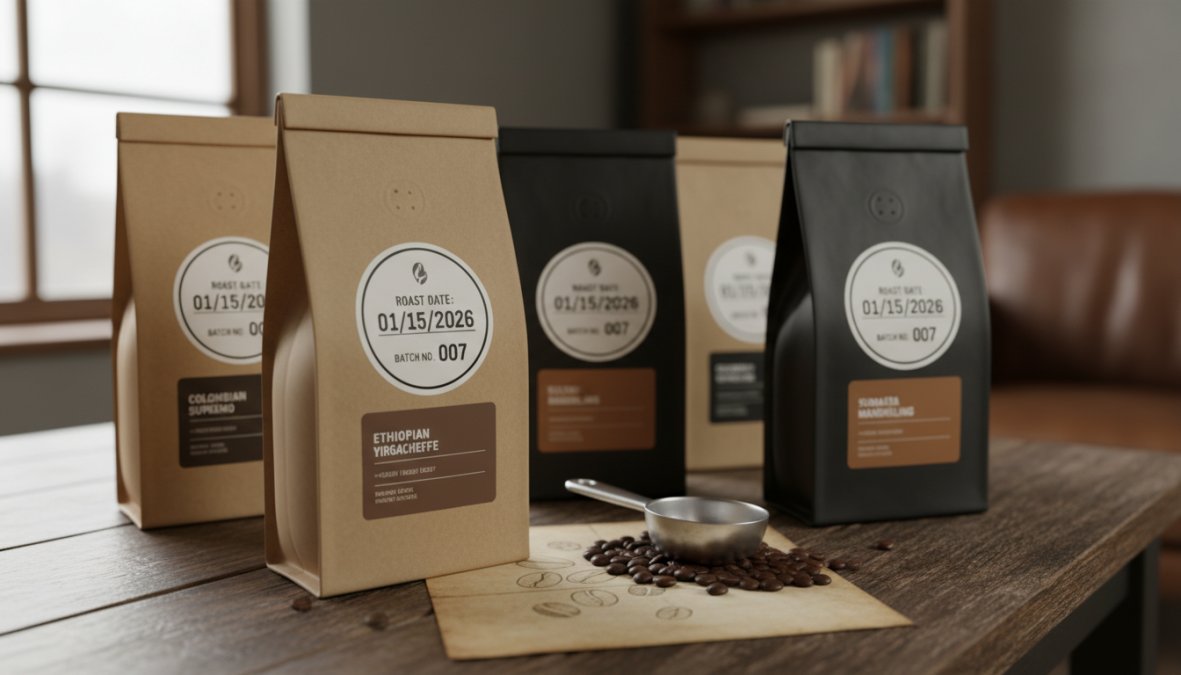
Here is what most guides get wrong: they rank subscriptions by brand recognition, not by what actually matters to a coffee nerd, which is roast-to-order freshness and honest tasting notes. Below, we rank each service by the criteria that affect your cup, not their marketing budget.
1. Cuppari Coffee, Best for Roast-to-Order Freshness
A best premium coffee subscription lives or dies by one thing: how fresh the beans are when they reach you. Cuppari Coffee solves this at the source. Beans are roasted only after an order is placed and shipped the same day, which means you are never drinking coffee that has been sitting in a fulfillment center aging out of its flavor window.
The selection covers single origin, blends, flavored options, and coffee pods, plus a range of teas. The sealed capsules contain no oxygen inside, keeping beans at peak freshness longer than standard packaging. An improved filter design in the pods absorbs more grounds, which produces a livelier, cleaner cup. Free shipping on all U.S. orders removes the friction that makes many premium subscriptions feel expensive relative to what you receive.
Pros: Roast-to-order model guarantees freshness, same-day shipping, free U.S. shipping, diverse selection including pods and teas Cons: International shipping logistics vary by region
2. Trade Coffee, Best for Variety and Personalized Discovery
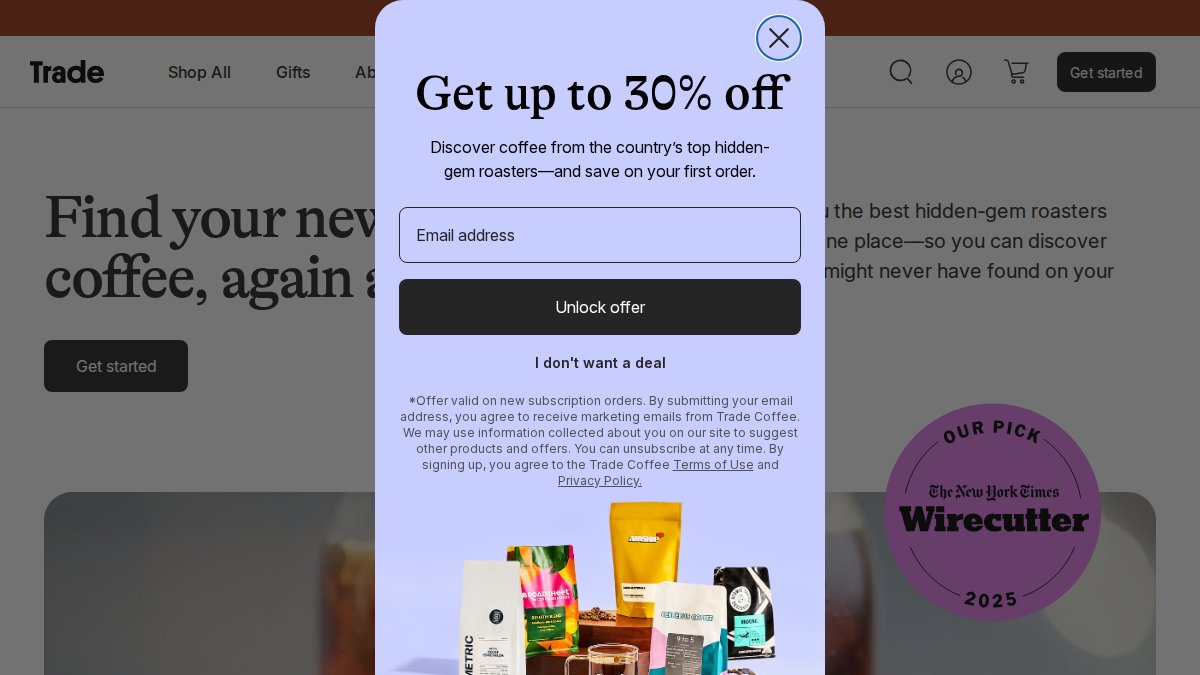
No other subscription comes close to Trade Coffee's sheer range. Access to over 450 specialty coffees from more than 50 independent U.S. roasters means you can spend years on this platform without repeating a bag. A personalized quiz matches your flavor profile to roasters and coffees, and the algorithm refines its recommendations over time.
Starting at $16.99 per bag, Trade splits into two tiers: Classics for approachable, crowd-pleasing profiles and Premium for experimental and rare lots. Subscription management is genuinely flexible, with easy pause, skip, and swap options.
Pros: Unmatched variety, strong personalization algorithm, flexible management Cons: Shipping fees apply unless you pre-pay for multiple bags; quality varies slightly between partner roasters
3. MistoBox, Best for Human-Curated Selections
What separates MistoBox from algorithm-driven competitors is that a human curator handpicks your coffees based on your evolving taste profile. Access to over 600 coffees from 60-plus top roasters, combined with a detailed feedback loop, means your selections get sharper over time rather than staying static.
Starting at $20 per shipment, the pay-per-shipment model offers flexibility. Shipping fees are often added on top, which makes the real cost higher than the headline number suggests. For connoisseurs who want a more personal touch than any AI can provide, MistoBox is the right call.
Pros: Human curation, excellent feedback system, massive selection Cons: Shipping fees extra, pricing structure can be confusing
4. Onyx Coffee Lab, Best for the Serious Coffee Nerd
Onyx Coffee Lab treats every bag as a transparency document. Full traceability includes the score paid to the farmer, processing details, and cupping notes from world-champion trainers. Starting at $21.50 per bag, this is not a casual subscription. It is for people who read processing method labels the way wine collectors read vintage notes.
The Roaster's Choice subscription gives access to rare and experimental lots before they sell out. Flexible frequency options (weekly, bi-weekly, monthly) accommodate both light and heavy drinkers.
Pros: Unmatched sourcing transparency, consistently high-scoring coffees, competition-grade quality Cons: Premium pricing, limited to Onyx's own roasting style
5. Atlas Coffee Club, Best for Single-Origin Exploration
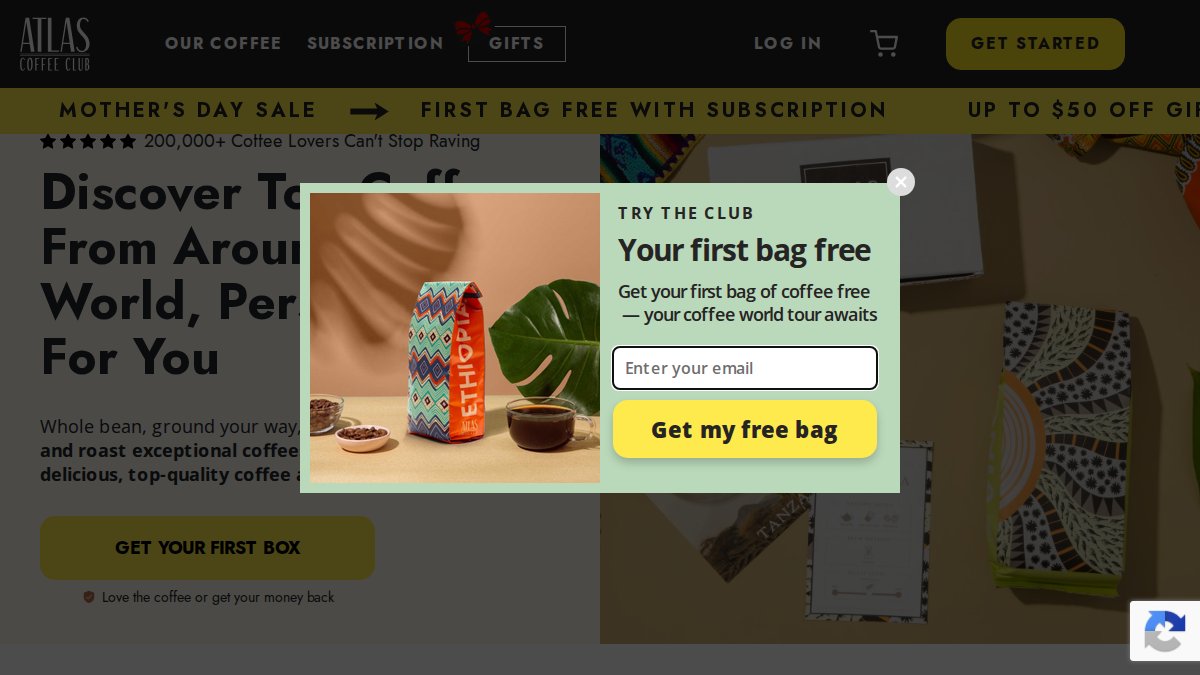
Atlas Coffee Club delivers a different country's single-origin beans each month, paired with educational materials, brewing tips, and cultural context about the origin. Starting at $9 per shipment, it is one of the more affordable premium options.
The educational component is genuinely well-executed. Each shipment includes cards explaining the region's coffee culture, the farm's story, and recommended brew parameters. Options for whole bean, pre-ground, or coffee pods make it accessible regardless of your setup.
Pros: Excellent educational value, high-quality single-origin beans, affordable entry point Cons: Limited to one origin per month, less control over choosing specific roasters
6. Counter Culture Coffee, Best for Ethical Sourcing and Sustainability
Counter Culture Coffee holds B-Corp certification, which means its sustainability claims are independently verified rather than self-reported. Starting at $19.50 per bag, subscribers get access to exclusive coffees not available to general customers, plus flexible subscription management including pause and skip options.
Free shipping requires a $30 minimum order, which typically means buying two bags. For ethically minded consumers, the transparency reports Counter Culture publishes annually on its sourcing relationships are worth reading. According to the Specialty Coffee Association's sustainability resources, direct trade relationships like those Counter Culture maintains are among the most effective models for ensuring fair producer compensation.
Pros: Industry-leading sustainability credentials, subscriber-exclusive coffees, high-quality roasts Cons: Limited to their own roasts, shipping threshold requires multiple bags
7. Blue Bottle Coffee, Best for Consistent Specialty Quality
Blue Bottle Coffee is the subscription for people who have found a house they love and want to live in it. Starting at $11 per shipment, it offers curated assortments of single-origin and signature blends, all roasted and shipped within 48 hours. Multiple subscription styles cover espresso, cold brew, decaf, and single-origin preferences.
The consistency is the point. Blue Bottle does not chase experimental lots or rotating micro-lot surprises. What you get is reliably excellent, roasted to a high standard every time.
Pros: Exceptional consistency, strong freshness standards, multiple subscription styles including decaf options Cons: Whole bean only (requires a grinder), no access to other roasters' coffees
8. Bean Box, Best for Member Perks and Independent Roaster Support
Seattle-based Bean Box curates specialty coffee from over 50 independent U.S. roasters and pairs it with genuine member perks, including 10% off a la carte purchases. Starting at $16 to $20 per bag, flexible subscription plans run on 2-to-6-week frequency cycles, which suits both casual and heavy drinkers.
The gift box options, combining coffee and chocolate, make Bean Box one of the stronger choices for subscription gifts. The curation quality is high, and the roaster network skews toward smaller, regional operations that deserve more attention.
Pros: Strong loyalty rewards, excellent curation, good gifting options Cons: Monthly delivery may be too slow for heavy drinkers, pricier than grocery alternatives
9. Intelligentsia Coffee, Best for Direct Trade Classics
Intelligentsia Coffee pioneered the direct trade model before it became a marketing buzzword, and its subscription still reflects that heritage. Starting at $18 per bag, subscribers choose from curated options including Intelligentsia's Choice, the Black Cat Project (espresso-focused), and Seasonal Select. Free shipping on all subscription orders is a genuine differentiator at this price point.
The rotating seasonal offerings keep the selection fresh without chasing novelty for its own sake. For those who appreciate classic specialty coffee done with integrity, Intelligentsia remains one of the most respected names in the category.
Pros: Free shipping on all subscription orders, strong direct-trade reputation, seasonal variety Cons: Limited to their own roasts, less variety than marketplace-style subscriptions
10. Podium Coffee Club, Best for Competition-Grade Micro-Lot Beans
Podium Coffee Club occupies a niche that no other service on this list touches: every roaster featured has won an award at a major U.S. coffee competition. Guaranteed freshness means shipping within 24 hours of roasting. Two membership tiers, Gold and Platinum, offer different levels of access to high-altitude, rare coffee varietals.
Pricing is available on request, which signals that this is a premium-tier product aimed at serious enthusiasts rather than casual subscribers. The niche focus is both the strength and the limitation.
Pros: Unrivaled quality control, extremely fast post-roast shipping, access to genuinely rare varietals Cons: Higher price point, niche focus may not suit casual drinkers, pricing lacks transparency
Premium Coffee Subscription Comparison Table
A premium coffee subscription is a recurring delivery service that sources specialty-grade beans, often with roast-to-order freshness, ethical sourcing credentials, and curated flavor profiles, to deliver a consistently high-quality cup at home.
| Service | Starting Price | Best For | Roast Freshness | Variety | Free Shipping |
|---|---|---|---|---|---|
| Cuppari Coffee | Varies | Roast-to-order freshness | Same day | Single origin, blends, pods | Yes (U.S.) |
| Trade Coffee | $16.99/bag | Personalized discovery | Varies by roaster | 450+ coffees, 50+ roasters | Conditional |
| MistoBox | $20/shipment | Human-curated selections | Varies by roaster | 600+ coffees, 60+ roasters | Extra fee |
| Onyx Coffee Lab | $21.50/bag | Transparency & competition quality | High | Own roasts only | Varies |
| Atlas Coffee Club | $9/shipment | Single-origin exploration | Good | One origin/month | Varies |
| Counter Culture | $19.50/bag | Ethical sourcing | Good | Own roasts only | $30+ orders |
| Blue Bottle Coffee | $11/shipment | Consistent specialty quality | 48-hour guarantee | Own roasts, multiple styles | Varies |
| Bean Box | $16-$20/bag | Member perks & indie roasters | Good | 50+ roasters | Varies |
| Intelligentsia | $18/bag | Direct trade classics | Good | Own roasts, seasonal | Yes (subscriptions) |
| Podium Coffee Club | Contact for pricing | Competition-grade micro-lots | 24-hour post-roast | Award-winning roasters only | Varies |
How to Choose a Coffee Subscription That Fits Your Brewing Style
The right premium coffee subscription depends less on brand prestige and more on the intersection of your brewing equipment, flavor preferences, and how often you actually drink coffee. Get this wrong and you end up with a bag of light-roast, single-origin Ethiopian beans when your espresso machine needs a darker, denser blend.
Grind Size, Whole Bean, and Brewing Method Compatibility
Most specialty subscriptions default to whole bean because it preserves flavor longest after roasting. But whole bean only works if you own a grinder. Blue Bottle, for example, ships whole bean exclusively. If you brew with a drip machine, a French press, or a pour-over, grind size matters enormously. Coarse grinds suit French press; medium suits drip; fine suits espresso.
A common mistake is ordering pre-ground coffee on a subscription and then storing it for two or three weeks before finishing the bag. Pre-ground coffee stales significantly faster than whole bean, so if you choose pre-ground, match your shipment frequency to your consumption rate. Atlas Coffee Club and Trade Coffee both offer pre-ground options with adjustable grind settings.
For pod machine users, the selection is narrower but growing. Cuppari Coffee's sealed capsule design is one of the few pod options that prioritizes freshness at the same level as whole bean subscriptions.
Shipping Frequency, Roast Date Transparency, and Subscription Management
Shipping frequency is where many subscriptions quietly fail their subscribers. A bag that arrives every four weeks sounds reasonable until you realize you drink two cups a day and run out after ten days. Most services offer weekly, bi-weekly, or monthly options. Onyx Coffee Lab and Trade Coffee both allow frequency adjustments without penalty.
Roast date transparency is a non-negotiable for serious coffee drinkers. The roast date tells you how fresh your beans actually are. The specialty coffee community generally considers beans optimal between four and twenty-one days post-roast. Any subscription that does not print the roast date on the bag is hiding something. According to the Specialty Coffee Association's freshness guidelines, roast date disclosure is a baseline standard for quality-focused roasters.
Subscription management friction is the hidden cost nobody talks about. Some services make pausing or skipping a shipment genuinely easy. Others bury the option in account settings or require a customer service email. Test this before committing to an annual plan.
Coffee Subscription vs Buying in Store: Which Is Actually Better?
The honest answer is that a subscription wins on freshness and loses on spontaneity. Grocery store coffee, even the premium shelf options, typically has a roast date that is weeks or months old by the time it reaches you. Specialty coffee subscription services, particularly roast-to-order models, deliver beans that are days old.
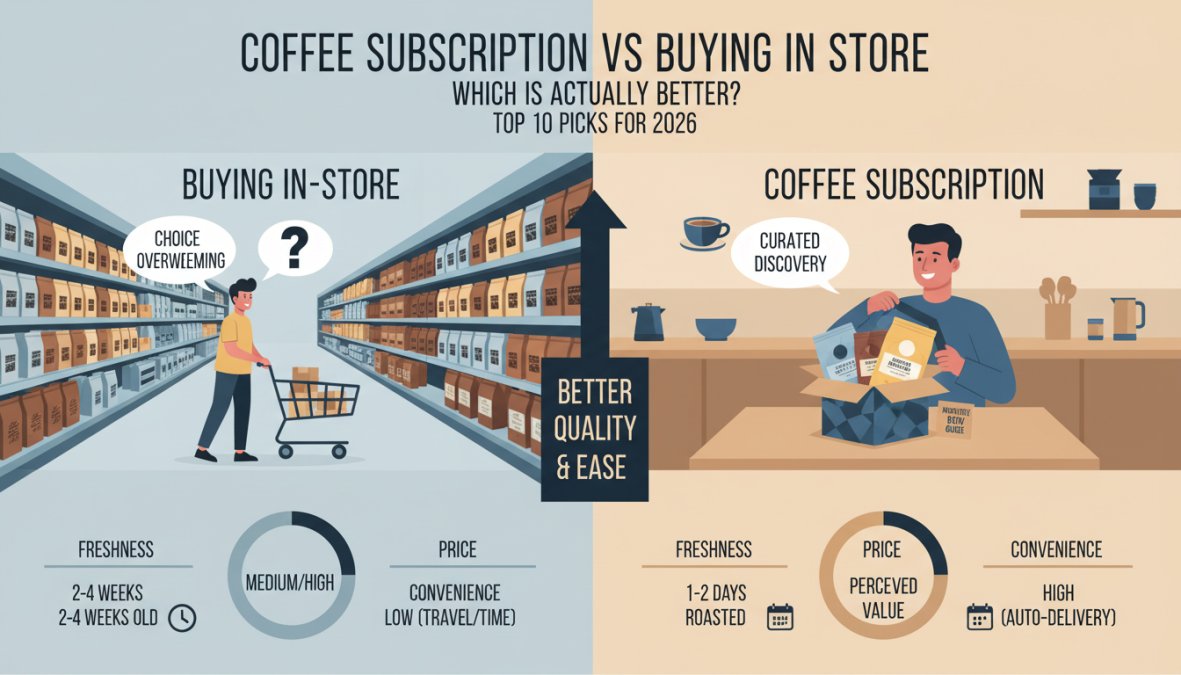
The flavor difference is real. Coffee peaks in complexity in the days immediately following roasting, then gradually flattens as CO2 off-gasses and oxidation sets in. A bag from a supermarket shelf has already passed through that peak window. A roast-to-order subscription catches you right in it.
Where in-store buying wins: you can smell the bag, read the label in person, and walk out with coffee immediately. There is no waiting for a delivery window. For households that run out unexpectedly, a store run is always faster than next-day shipping.
The cost comparison is less clear-cut than it appears. Premium grocery coffee from respected roasters can cost as much per ounce as a subscription. The real question is whether you are getting comparable freshness for that price. In most cases, you are not. As Perfect Daily Grind's analysis of coffee freshness and flavor explains, the degradation timeline for roasted coffee makes post-roast age one of the most significant quality variables a consumer can control.
For anyone who drinks specialty coffee regularly, a subscription with transparent roast dates and roast-to-order fulfillment is the more rational choice.
What Competitors Get Wrong: Environmental Impact and Packaging
Most premium coffee subscription reviews skip the environmental impact section entirely. This is a mistake, because packaging and shipping frequency have real sustainability consequences that matter to a growing segment of coffee buyers.
The core tension is this: roast-to-order freshness requires individual shipments, which generates more packaging waste per bag than bulk retail distribution. Subscriptions that ship weekly produce more cardboard and insulation material than monthly services. Counter Culture's B-Corp certification means it has been audited on environmental metrics, not just sourcing ones. That is a meaningful distinction.
Packaging materials vary widely. Some services use nitrogen-flushed, resealable bags with one-way valves that extend shelf life without refrigeration. Others use standard kraft bags that offer minimal protection. The one-way valve is important: it lets CO2 escape from freshly roasted beans without letting oxygen in, which is the primary driver of staling. Cuppari Coffee's sealed capsule design addresses this specifically for pod-format coffee, keeping oxygen out of the capsule entirely.
Shipping consolidation is another overlooked lever. If you are ordering two bags at once rather than one bag every two weeks, you are halving the number of shipments and the associated packaging. Trade Coffee and Bean Box both support this through multi-bag ordering options.
The thing nobody mentions in subscription reviews is the carbon footprint of expedited shipping. Same-day or next-day shipping for freshness often means air freight, which carries a significantly higher emissions load than ground shipping. If environmental impact is a priority alongside cup quality, this trade-off deserves honest consideration when choosing your subscription frequency and delivery speed.
According to the environmental impact reporting from the Rainforest Alliance on sustainable coffee sourcing, packaging and logistics choices downstream from the farm still represent a meaningful share of coffee's total environmental footprint.
Conclusion: Which Premium Coffee Subscription Should You Choose?
The right choice depends on what you value most. For human curation, Trade Coffee and MistoBox lead. For sustainability credentials, Counter Culture is the clear answer. For competition-grade micro-lot beans, Podium Coffee Club stands alone.
Frequently Asked Questions
Are premium coffee subscriptions worth the money?
For most coffee lovers, a best premium coffee subscription delivers genuine value through roast-to-order freshness, curated selection, and direct trade sourcing that grocery store shelves simply cannot match. You gain access to specialty roasters, detailed tasting notes, and consistent quality. The cost per cup often rivals a café visit. If you drink coffee daily and care about flavor profile and freshness, the value for money is typically strong compared to buying pre-ground bags from a supermarket.
How do I choose the right coffee subscription for my brewing method?
When deciding how to choose a coffee subscription, start with your brewing equipment. Espresso machines need a fine grind or specific espresso roast profiles with higher body and lower acidity. Pour-over and drip brewers often shine with light to medium single-origin beans. French press users benefit from coarser whole bean options. Always check whether the service offers grind size customization or whole bean shipping, and confirm the roast date policy so beans arrive freshly roasted within days of your brew.
Is a coffee subscription better than buying coffee in store?
A coffee subscription vs buying in store comparison comes down to freshness and variety. Store-bought coffee often sits on shelves for weeks or months after roasting, dulling flavor. Subscription services like Cuppari Coffee roast only after an order is placed and ship the same day, delivering peak freshness. You also gain access to micro-lot and third-wave specialty coffees unavailable at most retailers. The trade-off is planning ahead for delivery windows rather than grabbing a bag on demand.
Can I customize a premium coffee subscription by roast level or flavor profile?
Most of the best premium coffee subscription services offer meaningful customization. You can typically select roast level (light, medium, dark), grind size, whole bean or pre-ground, and shipping frequency. Services like Trade Coffee and MistoBox use a personalized plan or quiz to match your flavor profile preferences such as acidity, body, and tasting notes. Some, like Atlas Coffee Club, let you choose roast range but fix the single-origin selection. Decaf options are available on most major platforms as well.
How fresh is coffee delivered through a subscription service?
Freshness varies significantly by service. The gold standard is roast-to-order: the coffee roaster roasts your beans only after your order is placed, then ships the same day. Cuppari Coffee and Podium Coffee Club follow this model, ensuring the roast date on your bag is within 24 hours of shipping. Other services like Blue Bottle Coffee ship within 48 hours of roasting. Always check the roast date on arrival, specialty coffee is generally best consumed within two to four weeks of roasting.
What should I know about canceling or pausing a coffee subscription?
Subscription management flexibility varies widely and is worth checking before you commit. Services like Trade Coffee and Counter Culture Coffee allow you to pause, skip, or cancel online without contacting customer service. Others may require email or phone requests, adding friction. Look for subscriptions with clear cancellation policies, no long-term contracts, and easy frequency adjustments. Reading user reviews about customer service responsiveness is one of the most overlooked steps when evaluating any coffee subscription service.
For most coffee drinkers, the biggest barrier to a genuinely great cup at home is stale beans, not technique. Cuppari Coffee solves that problem directly by roasting only after an order is placed, shipping the same day, and delivering free to all U.S. addresses. The sealed capsule design keeps oxygen out, and the improved filter system ensures a lively, full-extraction cup every time. Add to cart and taste the difference that roast-to-order freshness actually makes.
This article was written using GrandRanker