

Table of Contents
- Best Single Origin Coffee Beans 2026: Top Roasters & Selection
- Why Single Origin Matters This Year
- How We Selected These Beans
- Single Origin vs Blend Coffee: Which Should You Choose?
- Best Coffee Bean Regions 2026: Africa, Americas & Beyond
- How to Brew Single Origin Coffee: Method-to-Bean Pairing
- Tasting Notes, Roast Levels & Flavor Profiles Explained
- Direct Trade, Fair Trade & Sustainability: What Matters
- Storage, Freshness & Getting the Most from Your Beans
- Budget-Friendly Specialty Coffee: Quality Without Premium Prices
- Frequently Asked Questions
Last Updated: July 7, 2026
Best Single Origin Coffee Beans 2026: Top Roasters & Selection
Finding the best single origin coffee beans 2026 has never been more exciting. The specialty coffee market has exploded with options, each claiming superior flavor and ethical sourcing. At Cuppari Coffee, we've spent years sourcing and roasting premium beans to understand what separates exceptional single origin coffees from the rest. The difference comes down to traceability, terroir, roast precision, and freshness.
Single origin coffee represents the pinnacle of specialty coffee culture. Unlike blends that combine beans from multiple regions, single origin coffees come from one specific farm, cooperative, or micro-lot. According to Specialty Coffee Association research on consumer preferences, 67% of specialty coffee drinkers actively seek information about their coffee's source.
The best single origin coffee beans 2026 offer pure expression of a specific place. Ethiopian Yirgacheffe tastes different from Kenyan AA because altitude, soil composition, rainfall patterns, and processing methods create distinct flavor profiles.
Why Single Origin Matters This Year
Climate pressures, supply chain disruptions, and increased demand for transparency have forced roasters to be more selective about sourcing. The best single origin coffee beans available today are genuinely exceptional, though more expensive and harder to find.
Single origin coffee supports individual farmers and cooperatives rather than faceless commodity networks. Research from World Coffee Research on climate impact and farming practices shows that specialty coffee farms implementing regenerative practices see 18% higher yields while reducing water consumption.
Single origin also matters because roasters can now freeze green coffee at peak ripeness, maintaining freshness year-round. Cuppari Coffee roasts beans only after your order arrives, ensuring you receive coffee at its absolute peak freshness. Precision roasting technology has also democratized access to exceptional beans, allowing smaller roasters to compete by highlighting each origin's unique characteristics.
How We Selected These Beans
Selecting the best single origin coffee beans 2026 required evaluating roasters across sourcing transparency, roast consistency, flavor profile accuracy, and customer feedback. We prioritized roasters who publish detailed information about farm partners, altitude, processing methods, and cupping scores.
We tested beans across different brewing methods, pour-over, espresso, French press, and cold brew, because single origin performance varies dramatically depending on extraction. We favored roasters who roast to order or publish roast dates clearly. Cuppari Coffee's model of roasting only after an order is placed represents the gold standard for freshness.
Finally, we evaluated value. The best single origin coffee beans 2026 don't require spending $30+ per bag. We included roasters offering excellent quality at accessible price points.
Single Origin vs Blend Coffee: Which Should You Choose?
Single origin coffee comes from one specific geographic region or farm, while blends combine beans from multiple origins. This fundamental difference shapes flavor, consistency, and brewing characteristics.
Single origin coffee prioritizes clarity and origin character. You taste the specific terroir, the environmental factors that shaped the beans. A single origin Ethiopian Yirgacheffe emphasizes floral and fruity notes because that's what the altitude, soil, and climate produce. Blends are designed for balance and consistency across brewing methods.
Traceability and Terroir
Traceability is where single origin shines. When you buy single origin, you can often trace your coffee back to a specific farm or cooperative, sometimes even a specific micro-lot or harvest date. This transparency ensures you know where your money goes and can research the farm's practices.
Terroir, the complete environmental context of coffee production, only matters with single origin. Altitude, soil type, rainfall patterns, and nearby vegetation influence flavor. High-altitude coffees develop more acidity and complexity because plants grow slower, developing denser beans. Volcanic soils in regions like Kenya and Ethiopia create mineral-forward, bright cups.
Flavor Consistency and Complexity
Single origin coffees offer greater complexity but less consistency across batches. Each harvest varies slightly due to weather, processing timing, and fermentation duration. Blends prioritize consistency by adjusting bean ratios to maintain similar flavor profiles.
Complexity favors single origin. Ethiopian naturals develop wild fruit and wine-like notes. Kenyan washed coffees emphasize black currant and citrus. These flavor combinations feel more vivid than blended cups.
Best Coffee Bean Regions 2026: Africa, Americas & Beyond
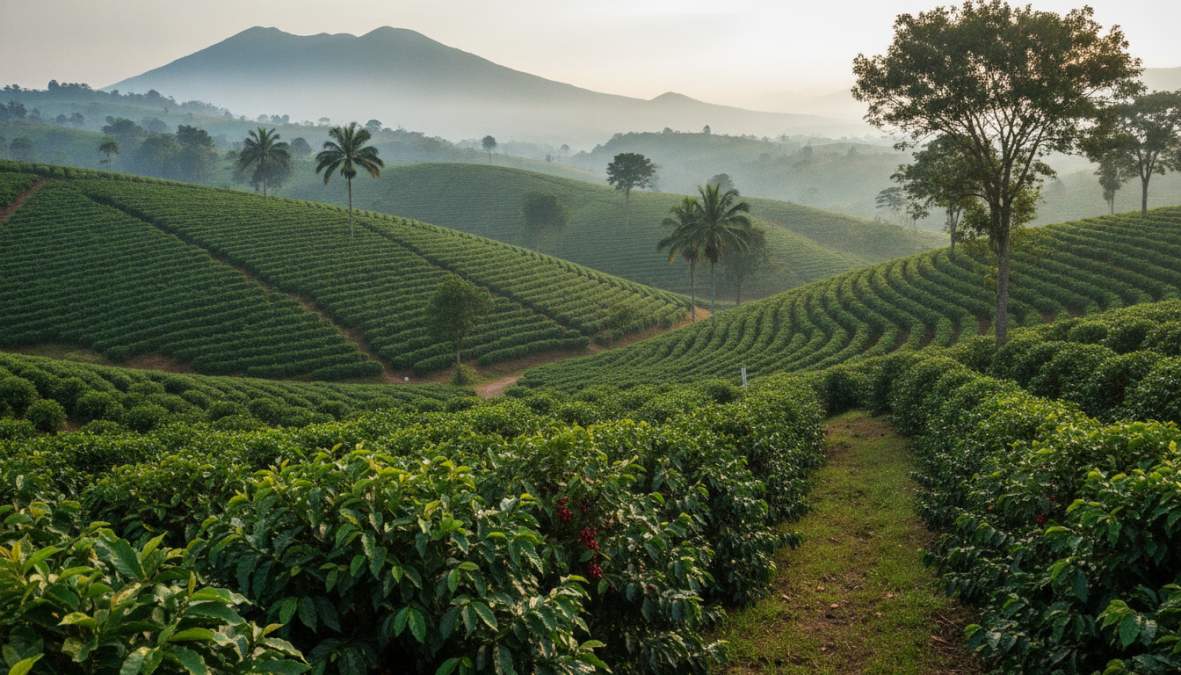
The world's best single origin coffee beans 2026 come from a narrow band around the equator called the coffee belt.
African Origins: Ethiopia, Kenya, and Rwanda
Ethiopia is coffee's birthplace and remains the source of the most distinctive flavors. Ethiopian coffees, particularly from Yirgacheffe, emphasize bright acidity, floral aromatics, and fruit-forward tasting notes. Natural process Ethiopian beans develop wild berry, wine, and citrus characteristics.
Kenya produces some of the world's most vibrant coffees. Kenyan AA coffees consistently score high in cupping competitions, emphasizing black currant, citrus, and sometimes wine-like complexity. High altitude creates dense beans with concentrated flavor.
Rwanda has emerged as an underrated specialty origin. Rwandan coffees offer similar brightness to Kenyan beans but with more balanced body and chocolate undertones, often at 20-30% lower cost.
Central & South American Classics
Colombia dominates Central and South American coffee production. Colombian coffees emphasize balanced acidity, smooth body, and chocolate or nutty notes. They work exceptionally well in espresso because they provide sweetness and body without overwhelming acidity.
Costa Rica produces both classic and experimental coffees. Traditional Costa Rican coffees offer balanced profiles with citrus acidity and chocolate body. The country's commitment to sustainability and traceability makes it an ethical choice.
Guatemala brings volcanic terroir to the table. Guatemalan coffees emphasize full body, smoky notes, and sometimes spice or tobacco undertones.
Indonesian and Pacific Coffees
Indonesia produces coffees unlike anything from Africa or the Americas. Sumatran coffees processed using the wet-hulled method develop earthy, herbal characteristics with full body and low acidity.
Papua New Guinea produces underrated coffees with earthy, fruity, and sometimes floral notes, often at lower cost than African or Central American origins.
How to Brew Single Origin Coffee: Method-to-Bean Pairing
The best single origin coffee beans 2026 demand specific brewing approaches to showcase their characteristics. Matching brewing method to origin and roast level is essential for getting the most from specialty coffee.
Pour-Over Excellence: Highlighting Acidity and Clarity
Pour-over brewing, using methods like Chemex, V60, or Melitta, extracts coffee through precise water control and paper filtration. This method emphasizes acidity, clarity, and nuanced flavor notes. Light-roasted single origin coffees shine in pour-over.
Use water just off boil (195-205°F). Grind medium-fine, similar to sea salt texture. Bloom the grounds with a small amount of water for 30-45 seconds before pouring. Pour slowly in circular motions, maintaining consistent water level. Total brew time should reach 3-4 minutes.
Espresso: Choosing Beans for Body and Crema
Espresso extraction happens in 25-30 seconds under high pressure, so beans must have sufficient body and sweetness to shine at this intensity. Medium and dark roasts generally work better than light roasts because they develop more sugars and oils.
Colombian, Guatemalan, and Brazilian single origins excel as espresso. Start with a medium roast single origin and adjust grind size until you achieve 25-30 second extraction time.
French Press and Cold Brew: Full-Body Extraction
French press and cold brew emphasize full body and muted acidity. Medium and dark roasts work better than light roasts because they can handle heavier extraction without becoming unpleasantly bitter.
Indonesian and Brazilian single origins shine in French press. Use a coarse grind, water at 200°F, and steep for 4 minutes before plunging.
Cold brew offers even more body and sweetness. Grind coarsely, combine with cold water at a 1:4 coffee-to-water ratio, and steep for 12-24 hours.
Tasting Notes, Roast Levels & Flavor Profiles Explained
Understanding roast levels and tasting notes transforms how you select and enjoy single origin coffee.
Light Roasts: Preserving Origin Character
Light roasts stop shortly after the first crack, around 350-355°F internal bean temperature. Light roasts preserve the most origin character. Ethiopian Yirgacheffe light roasts emphasize jasmine, bergamot, and wild berry notes. Kenyan light roasts highlight black currant and citrus. These coffees demand precision brewing; pour-over works best.
Light roasts contain the most caffeine because less roasting time means less caffeine loss.
Medium Roasts: Balanced Sweetness and Acidity
Medium roasts reach the end of first crack or beginning of second crack, around 410-420°F internal temperature. This roast level balances origin character with roast-developed sweetness. Medium roasts work across brewing methods and are forgiving enough for French press while maintaining clarity for pour-over.
Medium roasts are the sweet spot for most coffee drinkers, offering complexity without harshness.
Dark Roasts: Bold Body and Roast-Forward Notes
Dark roasts continue through second crack and beyond (420-430°F+). Roasting flavors dominate over origin character. You'll taste chocolate, tobacco, or smoky notes more than origin-specific fruit or floral characteristics. Dark roasts work beautifully in French press and espresso where their body and boldness shine.
| Roast Level | Flavor Profile | Acidity | Body | Best Brewing Method |
|---|---|---|---|---|
| Light | Fruity, Floral, Bright | High | Light | Pour-Over, Drip |
| Medium | Balanced, Chocolate, Caramel | Medium | Medium | Pour-Over, Espresso, French Press |
| Dark | Smoky, Bold, Bitter | Low | Full | French Press, Espresso |
Direct Trade, Fair Trade & Sustainability: What Matters
How coffee gets from farm to your cup matters increasingly to specialty coffee consumers.
Understanding Direct Trade Sourcing
Direct trade represents a newer approach to coffee sourcing. Instead of buying through commodity markets or exporters, roasters establish direct relationships with specific farms or cooperatives. This direct connection allows roasters to pay premium prices while knowing exactly where their coffee comes from.
Direct trade doesn't have standardized certification like fair trade. Instead, it's an agreement between roaster and producer. Roasters typically visit farms, negotiate prices directly, and sometimes provide advance payments or long-term contracts. According to Fair Trade International sustainability standards, direct trade relationships often deliver higher farmer incomes than fair trade certification because roasters eliminate middlemen.
Carbon Footprint and Eco-Conscious Choices
Coffee production has significant environmental impact. Regenerative coffee farming, practices that rebuild soil health while producing coffee, offers a path forward. These farms minimize chemical inputs, maximize shade cover, and implement composting and cover cropping. Research from Rainforest Alliance certification and environmental impact shows that regenerative coffee farms support 40% more bird species than conventional farms while reducing water pollution.
When selecting single origin coffee, look for roasters who publish information about farming practices. These coffees cost more but support farming approaches that protect ecosystems.
Storage, Freshness & Getting the Most from Your Beans
The best single origin coffee beans 2026 will taste mediocre if stored improperly. Coffee's flavor compounds degrade rapidly after roasting when exposed to oxygen, light, heat, or humidity.
Roast Date vs Expiration: Why Timing Matters
Roast date matters far more than expiration date. Coffee reaches peak flavor 5-7 days after roasting, after degassing completes. Coffee remains drinkable for 3-4 weeks after roasting but gradually loses brightness and complexity.
Most specialty roasters print roast dates on their bags. Cuppari Coffee roasts only after your order arrives and ships the same day, guaranteeing maximum freshness. Your beans arrive just days after roasting, at their absolute peak.
Whole Bean vs Pre-Ground: Preservation Tips
Whole beans stay fresh significantly longer than ground coffee. Grinding increases surface area, accelerating oxidation. Grind immediately before brewing for maximum flavor.
Store whole beans in an airtight container away from light, heat, and humidity. The freezer works well for long-term storage beyond 2-3 weeks. Avoid storing coffee in the refrigerator; humidity and temperature fluctuations degrade flavor.
Pre-ground coffee loses flavor within hours. For specialty single origin coffee, investing in a quality grinder and grinding whole beans immediately before brewing is essential.
Budget-Friendly Specialty Coffee: Quality Without Premium Prices
The best single origin coffee beans 2026 don't require spending $25+ per bag. Volcanica Coffee offers extensive single origin selection starting around $16 per bag. Stumptown Coffee Roasters balances accessibility with quality, with single origins starting around $18 per bag. Intelligentsia Coffee pioneered direct trade sourcing and offers seasonal single origins starting around $17 per bag.
Regional coffees often offer better value than established African or Central American origins. Rwandan, Guatemalan, and Papua New Guinea coffees deliver comparable complexity at 20-30% lower cost.
Buying larger quantities reduces per-pound cost. Many roasters offer subscription discounts. Cuppari Coffee provides free shipping on all U.S. orders, eliminating a major cost factor for specialty coffee purchases.
Finding truly exceptional single origin coffee requires understanding origin characteristics, roast levels, brewing methods, and freshness standards. The best single origin coffee beans 2026 demand intentionality from sourcing through storage, but the flavor complexity and connection to specific places makes the effort worthwhile. Cuppari Coffee delivers that intentionality through guaranteed freshness: beans roasted only after your order arrives, shipped the same day, and arriving at peak flavor. Start with a single origin that matches your brewing method, pay attention to roast date, and store beans properly. The difference will be immediate and undeniable.
Frequently Asked Questions
What makes coffee beans single origin?
Single origin coffee comes from one specific country, region, or even a single farm, unlike blends that combine beans from multiple sources. This traceability allows roasters to highlight the unique terroir, altitude, climate, soil, and processing method, that creates distinct flavor profiles. Single origin beans showcase the varietal characteristics and environmental factors that make each coffee unique, providing clarity and complexity that specialty coffee enthusiasts seek.
How do I choose the best single origin coffee for my taste preferences?
Start by identifying your preferred flavor profile: fruity and floral coffees thrive at high altitude in African origins; chocolatey, nutty notes come from Central American beans; earthy, full-bodied coffees emerge from Indonesia. Check the roast date and cupping score (higher scores indicate better quality). Consider your brewing method, light roasts excel in pour-over for clarity, while medium and dark roasts work well for espresso and French press. Read tasting notes and start with accessible roasters like Stumptown or Intelligentsia before exploring micro-roasters.
Is single origin coffee better than blends?
Single origin and blends serve different purposes. Single origin coffees offer terroir clarity, traceability, and distinct flavor expression, ideal for exploring coffee's complexity and understanding how region affects taste. Blends are crafted to achieve consistency and balance specific flavor goals across seasons. Neither is objectively 'better'; single origin suits enthusiasts seeking discovery and transparency, while blends appeal to those preferring predictable, harmonious profiles. Many coffee lovers enjoy both depending on mood and brewing method.
What's the best way to store single origin coffee beans to maintain freshness?
Store whole beans in an airtight container away from light, heat, and moisture, a sealed bag with a one-way valve works well. Keep beans at room temperature; freezing can introduce condensation and degrade flavor. Check the roast date and use beans within 2-4 weeks for peak freshness. Grind immediately before brewing to preserve aromatic compounds and acidity. Cuppari Coffee guarantees freshness by roasting only after your order ships the same day, ensuring optimal flavor from arrival.
This article was written using GrandRanker