

Table of Contents
- The Best Tea Varieties for Daily Drinking at a Glance
- Health Benefits of Daily Tea Consumption
-
Top 10 Best Tea Varieties for Daily Drinking
- 1. Green Tea, The Antioxidant Powerhouse
- 2. Black Tea, The Reliable Morning Staple
- 3. White Tea, The Gentle Daily Sip
- 4. Oolong Tea, The Balanced Middle Ground
- 5. Peppermint Tea, The Caffeine-Free Digestive Aid
- 6. Chamomile Tea, The Evening Wind-Down
- 7. Ginger Lemon Tea, The Wellness Ritual
- 8. Earl Grey, The Aromatic Everyday Blend
- 9. Jasmine Green Tea, The Floral Daily Boost
- 10. Rooibos Tea, The Antioxidant-Rich Herbal Infusion
- Caffeine Content in Different Tea Types: What to Expect
- How to Brew the Perfect Cup of Tea Every Time
- Budget-Friendly vs. Premium Tea: How to Choose Without Overspending
- Sustainable and Ethical Sourcing: Why It Matters for Your Daily Cup
- Conclusion
Last Updated: June 13, 2026
The Best Tea Varieties for Daily Drinking at a Glance
The best tea varieties for daily drinking share three qualities: genuine health benefits, caffeine levels that suit your schedule, and a flavor you'll actually want every day. This guide from Cuppari Coffee breaks down the top 10 options, from antioxidant-dense green teas to caffeine-free herbal infusions. According to Tea Association of the USA industry overview, tea is the second most consumed beverage in the world after water, billions of people have already figured out the habit is worth it.
Most guides treat every tea as interchangeable wellness products. They're not. A morning green tea and an evening chamomile serve completely different physiological purposes. Below, we show you which variety fits each moment, how to brew it correctly, and how to avoid the storage mistakes that quietly ruin a good cup.
| Tea Type | Caffeine Level | Best Time | Key Benefit |
|---|---|---|---|
| Green Tea | Low-Medium | Morning/Afternoon | Antioxidants, EGCG |
| Black Tea | High | Morning | Energy, focus |
| White Tea | Low | Anytime | Gentle antioxidants |
| Oolong Tea | Medium | Afternoon | Metabolism support |
| Peppermint | Caffeine-free | After meals | Digestion |
| Chamomile | Caffeine-free | Evening | Sleep quality |
| Ginger Lemon | Caffeine-free | Morning/Evening | Immune support |
| Earl Grey | Medium-High | Morning | Cognitive function |
| Jasmine Green | Low-Medium | Afternoon | Mood, antioxidants |
| Rooibos | Caffeine-free | Anytime | Polyphenols, no tannins |
Health Benefits of Daily Tea Consumption
Daily tea consumption delivers measurable wellness benefits because most true teas come from Camellia sinensis, a plant dense in polyphenols, flavonoids, and other bioactive compounds linked to cardiovascular health, cognitive function, and immune support. The key is consistency: occasional tea drinking produces modest effects, while daily consumption compounds them over time.
Antioxidant Properties and Polyphenols in Tea
Antioxidants in tea neutralize free radicals that damage cells and accelerate aging. The most studied compound is epigallocatechin gallate (EGCG), a catechin found in high concentrations in green tea and linked to anti-inflammatory and metabolic benefits. Black and oolong teas contain theaflavins and thearubigins from oxidation, which carry their own antioxidant activity. Rooibos contains aspalathin, unique to that plant. Rotating between tea types gives you a broader polyphenol spectrum than sticking to one variety.
Tea for Heart Health and Cardiovascular Wellness
As noted by Harvard T.H. Chan School of Public Health nutrition source, regular tea consumption is associated with reduced LDL cholesterol and lower blood pressure. The mechanism: flavonoids improve endothelial function, the ability of blood vessels to dilate and contract properly. Accumulated over years of daily drinking, the cardiovascular effect is clinically meaningful. Black and green tea are the strongest options in this category.
Tea for Digestion, Gut Health, and Immune Support
Peppermint relaxes gastrointestinal muscles, reducing bloating after meals. Ginger is a well-established anti-inflammatory and nausea remedy. Both are caffeine-free and viable at any time of day. Green tea's polyphenols act as a prebiotic, feeding beneficial gut bacteria. Tannins in black tea have mild antimicrobial properties at normal serving sizes. The immune connection runs through the same polyphenol pathways: consistent antioxidant intake reduces the oxidative stress that weakens immune response.
Top 10 Best Tea Varieties for Daily Drinking
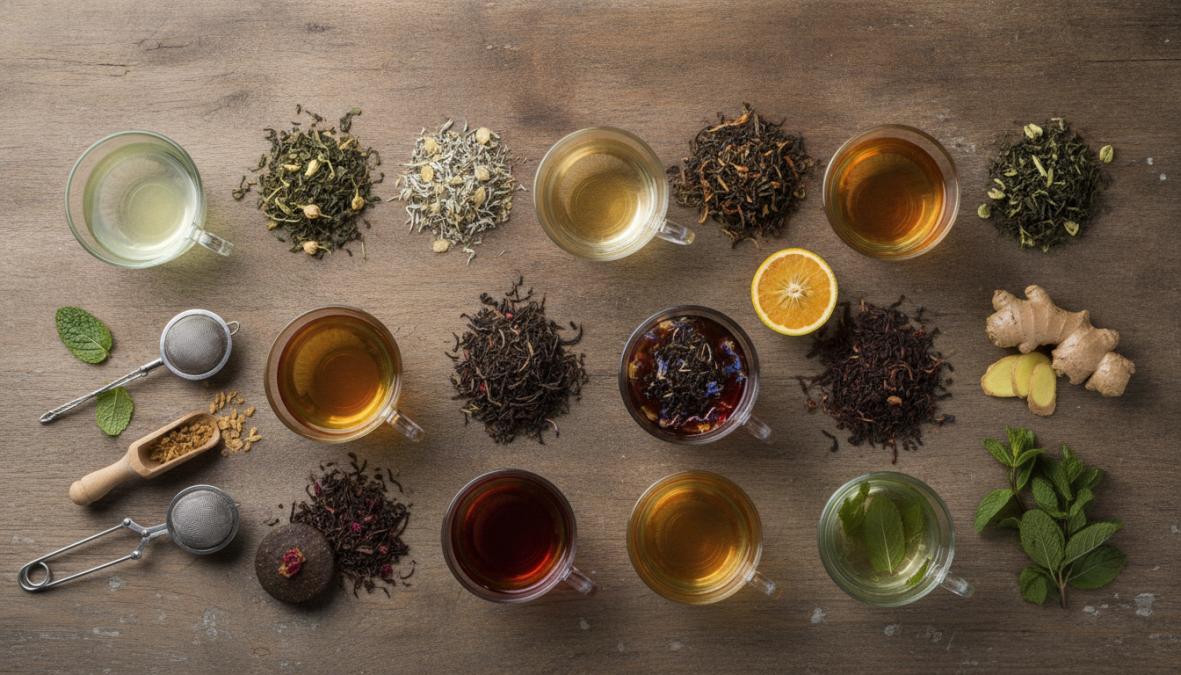
Choosing the right daily tea means matching the variety to your biology and schedule. The ten options below cover every need, from high-caffeine morning fuel to caffeine-free evening wind-downs.
1. Green Tea, The Antioxidant Powerhouse
Green tea's minimal oxidation preserves high EGCG levels, making it the strongest option for antioxidant intake. L-theanine works synergistically with caffeine to produce calm, focused alertness rather than a jittery spike.
Best for: Morning or early afternoon. Avoid after 3 PM if caffeine-sensitive.
Yogi Tea Green Tea Super Antioxidant adds grape seed extract and Ayurvedic herbs to an organic green tea base, a functional daily option available in most retail stores for around $5 per box.
2. Black Tea, The Reliable Morning Staple
Full oxidation gives black tea its deep color, strong flavor, and higher caffeine content. For daily drinkers who need a morning cup that competes with coffee on energy delivery, it's the clear choice. Yorkshire Tea Red blends Assam, Ceylon, and Kenyan teas into a consistent daily drinker at around $6 per box. Vahdam Daily Darjeeling Black Tea offers a single-origin, vacuum-packed alternative with a lighter, more floral profile.
A common mistake: Over-steeping past 4 minutes produces excessive tannin extraction and bitterness. Set a timer.
3. White Tea, The Gentle Daily Sip
White tea is the least processed Camellia sinensis tea, simply picked and dried, with no oxidation. This preserves a delicate, slightly sweet flavor and low caffeine content, making it ideal for an afternoon ritual or a second cup later in the day when you want antioxidant benefits without the caffeine load.
4. Oolong Tea, The Balanced Middle Ground
Partial oxidation places oolong between green and black tea in flavor and caffeine. Oxidation levels range from 15% to 85%, creating a broad flavor spectrum. Oolong's polyphenol profile activates enzymes that help the body process fat, not a weight-loss miracle, but a sensible afternoon choice when you want something more complex than green tea.
5. Peppermint Tea, The Caffeine-Free Digestive Aid
Peppermint is an herbal infusion with no Camellia sinensis and no caffeine, making it suitable any time of day, including after dinner. Rishi Tea & Botanicals Peppermint uses certified organic, direct-trade peppermint and produces a noticeably more potent cup than supermarket alternatives. At $12 per tin, it's the best option for regular digestive use, the flavor is intense and assertive.
6. Chamomile Tea, The Evening Wind-Down
Chamomile's active compound apigenin binds to GABA receptors in the brain, producing a mild sedative effect without dependency risk. Brew for 5-7 minutes in water just off the boil, a longer steep extracts more apigenin. Tea bags and loose leaf perform comparably here, since chamomile flowers release their compounds readily regardless of format.
7. Ginger Lemon Tea, The Wellness Ritual
Ginger's gingerols and shogaols support digestion and reduce nausea; lemon adds vitamin C and brightens the flavor. Traditional Medicinals Lemon Ginger uses pharmacopoeial-grade herbs, ingredient quality that meets medicinal standards. At $6 per box and widely available, it's one of the best value-for-quality options on this list.
8. Earl Grey, The Aromatic Everyday Blend
Earl Grey is black tea scented with bergamot oil from Calabria, Italy. The aroma is distinctive and polarizing. Smith Teamaker Lord Bergamot uses natural bergamot oil on a Ceylon and Assam base, producing a more refined cup than standard supermarket Earl Grey at $15 per tin. Cognitive function benefits come from the black tea base: L-theanine plus caffeine produces focused alertness with a more assertive flavor than green tea.
9. Jasmine Green Tea, The Floral Daily Boost
Jasmine green tea is made by scenting green tea leaves with fresh jasmine blossoms over multiple nights, a labor-intensive process that produces natural floral aroma without synthetic additives. Numi Organic Jasmine Green Tea is organic, Fair Trade certified, and uses real jasmine flowers rather than artificial flavoring. Compostable tea bags and a $7 per box price point make it accessible without compromising quality.
10. Rooibos Tea, The Antioxidant-Rich Herbal Infusion
Rooibos is a caffeine-free herbal infusion from the Cederberg region of South Africa, built on aspalathin and nothofagin rather than catechins. Crucially, it contains no tannins, it never turns bitter regardless of steep time. This makes rooibos uniquely forgiving and ideal for anyone who wants a naturally sweet, full-bodied cup with zero caffeine and zero bitterness.
Caffeine Content in Different Tea Types: What to Expect
Caffeine varies significantly by plant variety, processing method, and brewing parameters. Based on information from Mayo Clinic caffeine content reference:
- Black tea: Typically 40-70mg per 8oz cup
- Oolong tea: Typically 30-50mg per 8oz cup
- Green tea: Typically 20-45mg per 8oz cup
- White tea: Typically 15-30mg per 8oz cup
- Herbal infusions (peppermint, chamomile, rooibos, ginger): 0mg
Steeping time and water temperature affect caffeine extraction as much as tea type. A 5-minute steep of green tea in boiling water extracts more caffeine than a 2-minute steep of black tea at the correct temperature. If you're managing intake carefully, brew time matters as much as variety selection.
How to Brew the Perfect Cup of Tea Every Time
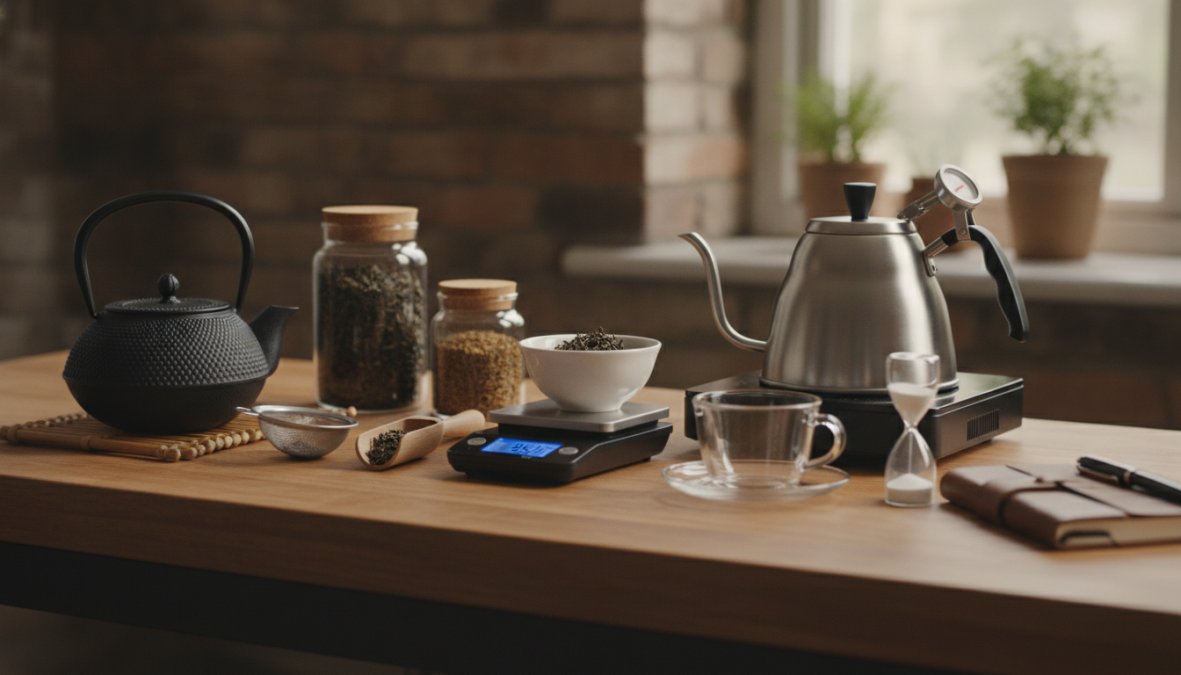
Brewing precision separates a good cup from a great one. The variables that matter most are water temperature, steeping time, and tea quality.
Water Temperature and Quality: The Variables That Matter Most
Boiling water (212°F) is correct for black tea and herbal infusions. Green and white teas require 160-185°F, high heat denatures delicate catechins and produces bitterness. Water quality matters equally: hard water dulls flavor and leaves surface film. Filtered water produces a noticeably cleaner cup.
Brew temperature guide:
- Black tea: 205-212°F
- Oolong tea: 185-205°F
- Green tea: 160-185°F
- White tea: 160-175°F
- Herbal infusions: 205-212°F
Steeping Time, Loose Leaf vs. Tea Bags, and Getting It Right
Steeping time controls extraction. Under-steep and you get a thin cup; over-steep and tannins dominate. Loose leaf consistently outperforms standard tea bags because leaves have room to expand and release full flavor compounds. High-quality sachets from brands like Harney & Sons and Smith Teamaker use full-leaf tea in spacious pyramid bags, closing the gap considerably.
Practical steeping guide:
- Green tea: 2-3 minutes
- White tea: 2-3 minutes
- Oolong: 3-4 minutes
- Black tea: 3-5 minutes
- Herbal infusions: 5-7 minutes
Budget-Friendly vs. Premium Tea: How to Choose Without Overspending
The price gap between budget and premium tea is real but doesn't scale linearly with quality. Yorkshire Tea Red ($6/box) and Twinings Everyday Tea ($5-8/box) deliver consistent black tea that outperforms their price point, the rational choice for high-volume daily drinkers. Premium options like Vahdam Darjeeling ($24.99/12oz) and Smith Teamaker Lord Bergamot ($15/tin) justify their cost through single-origin sourcing and flavor complexity that budget teas can't match, but only when you're drinking plain and slowly, where nuance matters. Add milk and sugar, and a $6 box of Yorkshire Tea performs just as well. The middle tier, Rishi Tea ($12/tin) and Numi Organic ($7/box), offers the best balance for most daily drinkers: meaningfully better than supermarket staples without specialty pricing.
Sustainable and Ethical Sourcing: Why It Matters for Your Daily Cup
Sustainable sourcing directly affects cup quality. Teas grown under fair trade and organic certification are typically harvested at optimal times, processed more carefully, and stored better. Vahdam's direct-sourcing model cuts out multiple intermediaries, meaning tea arrives fresher than products sitting in warehouses for months. According to Rainforest Alliance tea sustainability standards, certified farms implement practices that protect biodiversity, reduce water usage, and ensure worker welfare, meaningful for daily drinkers consuming tea 365 days a year.
Tea Storage and Shelf Life: Keeping Your Tea Fresh Longer
Tea's enemies are light, moisture, heat, and oxygen, all four degrade polyphenols and aromatic compounds responsible for flavor and health benefits. The practical rules:
- Store tea in an airtight, opaque container away from the stove and direct sunlight
- Never refrigerate unless vacuum-sealed; condensation accelerates degradation
- Consume green and white teas within 6-12 months; black tea holds up to 2 years when stored correctly
- Herbal infusions stay fresh 1-2 years if kept dry and sealed
Loose leaf in resealable foil bags, like Vahdam's vacuum-packed pouches, retains freshness significantly longer than cardboard boxes. The flavor difference between well-stored and poorly stored tea of the same variety is more dramatic than most people expect.
Building a daily tea routine means matching variety to moment: caffeinated teas for morning focus, functional herbals for digestion, caffeine-free infusions for evening wind-downs. At Cuppari Coffee, we offer a curated selection of teas alongside our freshly roasted coffee, with every order roasted and shipped the same day to guarantee freshness. Explore our tea and coffee selection and add your favorites to cart today.
Frequently Asked Questions
Which tea is the best to drink every day?
The best tea varieties for daily drinking depend on your goals. Green tea is widely regarded as one of the healthiest choices due to its high concentration of EGCG, catechins, and L-theanine, which support cognitive function, metabolism, and cardiovascular health. Black tea is an excellent morning staple for an energy boost, while caffeine-free herbal infusions like chamomile or peppermint are ideal for evenings. The best approach is to rotate varieties to enjoy a broader range of polyphenols and antioxidants throughout your day.
What are the health benefits of daily tea consumption?
Regular tea consumption is associated with a range of wellness benefits. Teas derived from Camellia sinensis, including green, black, white, and oolong, are rich in polyphenols, flavonoids, and antioxidants that may support heart health, help regulate blood pressure, and reduce inflammation. Herbal infusions like ginger and peppermint can act as a digestive aid, while chamomile is commonly used to improve sleep quality. Consistent daily intake, rather than occasional drinking, appears to offer the most meaningful long-term benefits.
What are the best caffeine-free teas for daily consumption?
If you're sensitive to caffeine or want an evening option, several herbal infusions make excellent daily choices. Peppermint tea is naturally caffeine-free and acts as a digestive aid with a refreshing, cooling flavor. Chamomile is ideal for stress relief and improving sleep quality. Rooibos is a naturally caffeine-free South African herbal tea packed with antioxidants. Lemon ginger blends, like those from Traditional Medicinals, are another popular caffeine-free option that supports gut health and immune function.
How many cups of tea should you drink a day?
Most wellness guidance suggests that two to four cups of tea per day is a reasonable daily amount for most healthy adults. This range allows you to benefit from the antioxidants, polyphenols, and other beneficial compounds in tea without consuming excessive caffeine or tannins, which in very high amounts may interfere with iron absorption. If you're sensitive to caffeine, mixing caffeinated teas earlier in the day with caffeine-free herbal infusions in the evening is a practical approach to building a balanced daily tea routine.
Does the quality of water affect how tea tastes?
Yes, water quality has a significant impact on your brew. Hard water high in minerals can dull the delicate flavors of green or white tea, while filtered or soft water tends to allow the natural notes, floral, grassy, or malty, to come through more clearly. Brew temperature also matters: green tea performs best at around 160-180°F, while black tea typically calls for a full boil at 212°F. Using the correct water temperature and quality is one of the most impactful and overlooked steps in brewing the perfect cup of tea.
This article was written using GrandRanker