

Table of Contents
-
Best Places to Buy Specialty Coffee Beans Online
- Cuppari Coffee: Roasted to Order with Same-Day Shipping
- Trade Coffee: Personalized Matching from 50+ Roasters
- Blue Bottle Coffee: Minimalist Roasting and Ultra-Fresh Delivery
- Stumptown Coffee Roasters: Bold Single-Origin Coffees
- Intelligentsia Coffee: Direct Trade and Transparency
- Counter Culture Coffee: Sustainability and Education
- Wonderstate Coffee: Certified Organic Options
- Atlas Coffee Club: Global Single-Origin Subscriptions
- Best Coffee Subscription Services for Regular Delivery
- How to Choose Specialty Coffee Beans That Match Your Taste
- How to Store Coffee Beans for Maximum Freshness
- What Makes Coffee Specialty Grade
- Sourcing, Sustainability, and Direct Trade Explained
- Frequently Asked Questions
Last Updated: August 16, 2026
Best Places to Buy Specialty Coffee Beans Online
The specialty coffee market has exploded in the past five years. What once required a trip to a local roastery now arrives at your door within days of roasting. Specialty-grade beans are scored by certified cuppers, sourced with intentionality, and roasted for flavor expression rather than consistency, delivered fresh, not weeks old.
The best online coffee retailers distinguish themselves through freshness guarantees, roasting transparency, variety of origins, and timely shipping during the peak 3-7 day window after roasting.
Cuppari Coffee: Roasted to Order with Same-Day Shipping
Cuppari Coffee roasts beans only after your order is placed, then ships the same day. This eliminates guesswork about roast dates and ensures zero storage time before shipping. The selection spans single-origin coffees, blends, flavored options, and coffee pods. Free shipping on all U.S. orders and sealed capsule technology that preserves freshness during transit make this model compelling.
Best for: Coffee drinkers who prioritize absolute freshness and want to eliminate uncertainty about roast dates.
Pros:
- Roasted only after order placement
- Same-day shipping on all orders
- Free shipping across the U.S.
- Diverse selection of single-origin and blends
- Sealed capsule technology maintains freshness
Cons:
- Requires advance planning since roasting happens post-order
- Limited ability to browse and pick up immediately
Trade Coffee: Personalized Matching from 50+ Roasters
Trade Coffee solves choice paralysis by offering access to over 50 specialty roasters. Their algorithm asks about your brewing method, flavor preferences, and roast level, then recommends matching beans. The flexible subscription allows weekly to monthly delivery with pause and skip options. Free U.S. shipping applies to all orders.
Each month you might receive beans from a different producer, exposing you to different processing methods, origins, and roasting philosophies without managing multiple subscriptions.
Best for: Coffee enthusiasts who want to explore different roasters and need personalized recommendations.
Pros:
- Personalized matching algorithm
- Access to 50+ specialty roasters
- Flexible subscription with pause/skip options
- Free shipping on all orders
- Exposure to different roasting styles
Cons:
- Less control over specific coffee selection each month
- Per-bag costs vary by roaster
Blue Bottle Coffee: Minimalist Roasting and Ultra-Fresh Delivery
Blue Bottle roasts small batches and emphasizes the purity of the bean rather than complex blends. Their curated selection reflects an editorial stance on quality. The subscription service offers customizable frequency with brewing guides for each coffee. Detailed tasting notes and origin information educate you about what you're drinking.
Best for: Customers who value a curated, minimalist approach and trust a single roaster's vision.
Pros:
- Consistently high-quality, thoughtfully roasted beans
- Excellent delivery flexibility
- Premium unboxing experience with detailed guides
- Strong sustainability commitment
Cons:
- Limited to Blue Bottle's roasting catalog
- Premium pricing compared to alternatives
Stumptown Coffee Roasters: Bold Single-Origin Coffees
Stumptown built its reputation on bold, expressive single-origin coffees that emphasize each origin's unique characteristics. A range of roast levels from light to dark gives you control over flavor intensity. Their direct trade commitment ensures traceable sourcing and consistent quality.
Best for: Coffee drinkers who prioritize bold, distinctive single-origin coffees and appreciate direct trade sourcing.
Pros:
- Known for consistent quality and bold flavor profiles
- Strong commitment to ethical sourcing
- Wide variety of roast levels
- Reliable subscription options
Cons:
- Premium pricing compared to mainstream options
- Single-origins are the focus; blends are secondary
Intelligentsia Coffee: Direct Trade and Transparency
Intelligentsia pioneered the direct trade model, building long-term relationships with growers and paying premiums that fund reinvestment in farming practices. Their catalog spans single-origins and blends with extensive tasting notes and detailed information about origin, altitude, processing method, and cupping scores. The subscription service is straightforward, and they operate cafes where you can taste before buying.
Best for: Discerning coffee drinkers who value transparency, ethical sourcing, and detailed origin information.
Pros:
- Pioneer in direct trade with strong grower relationships
- Exceptional transparency about sourcing and origins
- Excellent reputation for consistency
- Educational resources about coffee characteristics
Cons:
- Premium pricing reflects direct trade model
- Less experimental in processing methods
Counter Culture Coffee: Sustainability and Education
Counter Culture positions itself at the intersection of sustainability and education. Their sourcing emphasizes environmental stewardship, and they publish extensive educational resources for home brewers. The selection rotates seasonally, and their blends are designed for specific brewing methods. Public cuppings and training centers provide opportunities to deepen your knowledge.
Best for: Coffee lovers who prioritize ethical sourcing, sustainability, and want to deepen their knowledge.
Pros:
- Strong commitment to sustainability and transparency
- Excellent educational resources
- Consistently high-quality, thoughtfully sourced beans
- Rotating seasonal selection keeps things fresh
Cons:
- Educational approach may feel academic to casual drinkers
- Premium pricing aligns with other specialty roasters
Wonderstate Coffee: Certified Organic Options
Wonderstate Coffee specializes in certified organic beans, a distinction that matters if you prioritize pesticide-free sourcing. Their selection spans single-origins from Africa and Latin America in light, medium, and dark roasts. Noteworthy decaf options across various origins address the scarcity of specialty decaf coffee.
Best for: Consumers seeking certified organic specialty coffee with commitment to environmental stewardship.
Pros:
- All coffee is certified organic
- Wide selection of single-origin and blended options
- Offers decaf options for various origins
- Environmentally conscious practices
Cons:
- Smaller catalog due to organic certification requirements
- Shipping costs may apply for smaller orders
Atlas Coffee Club: Global Single-Origin Subscriptions
Atlas Coffee Club delivers a single-origin coffee from a different country each month, creating a global coffee tour. A postcard accompanies each shipment with tasting notes, brewing tips, and origin information. The subscription is customizable by roast preference and offers flexible pause or adjustment options.
Best for: Adventurous coffee drinkers who want to explore coffees from around the world with curated recommendations.
Pros:
- Exciting way to discover coffees from diverse global regions
- Educational postcards with tasting notes and origin details
- Customizable roast preferences
- Flexible subscription management
Cons:
- Limited control over specific coffee selection
- Less ideal for those with strong preferences for particular origins
Best Coffee Subscription Services for Regular Delivery
A coffee subscription solves the logistics problem: you never run out, and you avoid reordering friction. The key differentiators are flexibility, freshness, and variety.
Flexibility matters most. Can you pause without penalty? Can you skip months? Can you adjust frequency? Services that impose rigid schedules or cancellation fees are outdated.
Freshness is the second criterion. A subscription is only valuable if beans arrive within the optimal 3-7 day window after roasting. Services that roast to order or maintain tight roasting schedules keep beans in that sweet spot where flavor peaks.
The third factor is variety. Some subscriptions lock you into one roaster's catalog; others provide access to dozens. Your preference depends on whether you want to explore or establish a routine with beans you know work for you.
How to Choose Specialty Coffee Beans That Match Your Taste
Choosing specialty coffee beans requires understanding three variables: origin, roasting profile, and brewing method. These factors determine the final cup more than any marketing claim.
Single-Origin vs. Blends
A single-origin coffee comes from one geographic region or farm. A blend combines beans from multiple origins. Single-origin coffees express terroir, the unique characteristics of altitude, climate, soil, and processing method. An Ethiopian natural-process coffee tastes distinctly different from a Colombian washed coffee.
Blends are designed for consistency and balance. A roaster combines origins to achieve a specific flavor profile, balancing brightness with body or creating a coffee that performs well across multiple brewing methods. For specialty coffee beginners, single-origins teach you what's possible. For daily drinkers, a well-crafted blend provides reliable, balanced flavor.
Roasting Profiles and Flavor Development
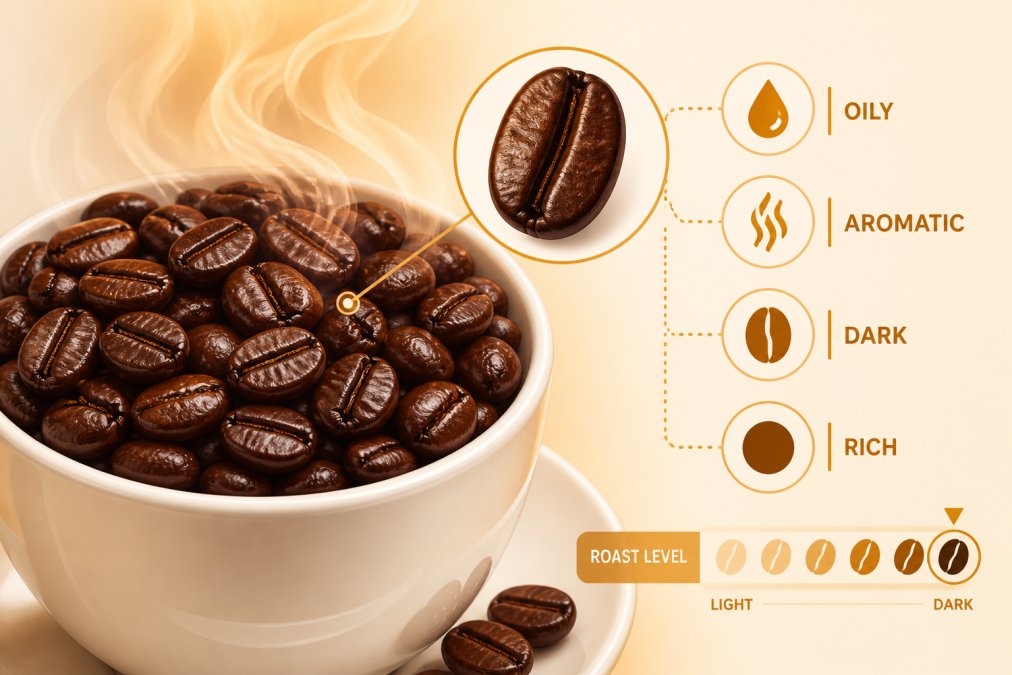
The roast profile, light, medium, or dark, fundamentally changes what you taste. Light roasts preserve the origin's unique characteristics and brighter acidity. Medium roasts balance origin character with roaster influence, developing caramel and chocolate notes. Dark roasts emphasize the roasting process over origin, developing smoke and charred notes.
Your preference depends on your brewing method and taste. Espresso drinkers often prefer medium to dark roasts for body and crema. Pour-over enthusiasts might prefer light to medium roasts to highlight origin character.
Brewing Method Matters
The brewing method you use determines which coffee characteristics matter most. Espresso requires a coffee with body and sweetness; medium to dark roasts work best. Pour-over brewing extracts more slowly, allowing you to taste subtle acidity; light to medium roasts shine here. French press creates a full-bodied cup; medium to dark roasts work well. Cold brew's extended steeping extracts smoothness and sweetness; medium to dark roasts are traditional.
When you buy specialty coffee beans online, check whether the roaster recommends a brewing method. This guidance reflects how they roasted the beans.
How to Store Coffee Beans for Maximum Freshness
Freshness is fleeting. Once roasted, coffee begins to stale. Proper storage extends the window when beans taste their best.
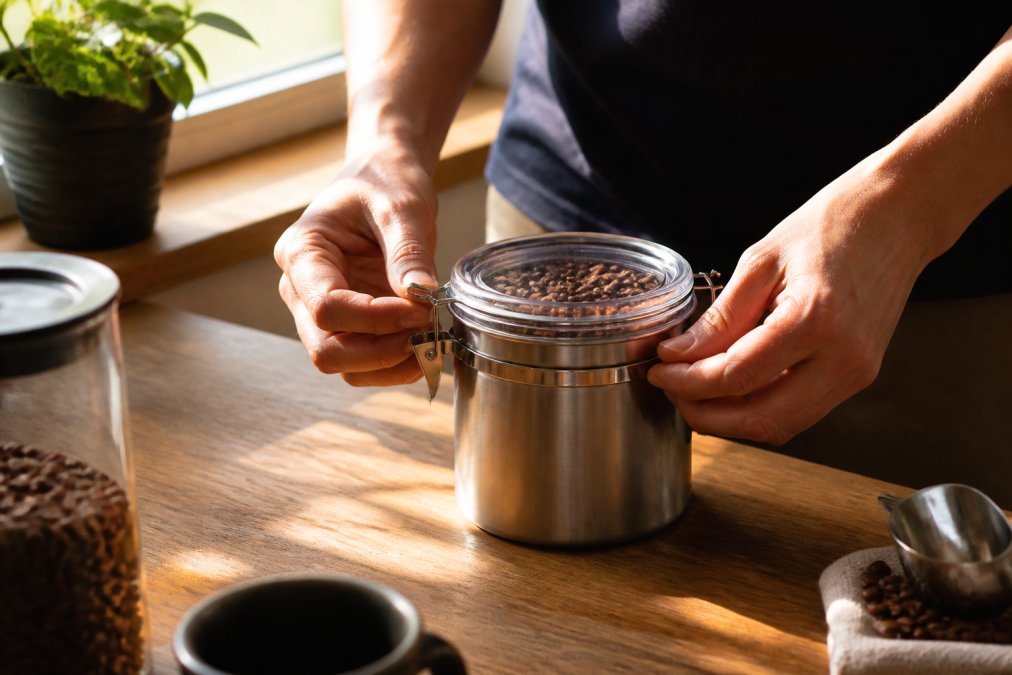
The enemies of freshness are oxygen, light, heat, and moisture. Store beans in an airtight container away from direct light and heat. A pantry is ideal; the refrigerator is not due to temperature fluctuations. Opaque, airtight containers are your best option.
Beans peak 3-7 days after roasting and remain excellent for 2-3 weeks. After a month, they're noticeably stale. Buy in quantities you'll use within 2-3 weeks. Grind immediately before brewing, as ground coffee stales faster than whole beans.
What Makes Coffee Specialty Grade
Specialty coffee is defined by cupping scores. Certified coffee cuppers evaluate beans on a 100-point scale. Scores of 80 and above qualify as specialty grade; below 80 is commercial-grade coffee. Cupping evaluates aroma, flavor, aftertaste, acidity, body, balance, sweetness, and uniformity.
Specialty coffee is traceable, you know the farm, altitude, and processing method. It's roasted for flavor expression rather than consistency and shelf stability. The price premium reflects the entire system that produced it: sourcing, processing, cupping, and roasting all prioritize quality over volume.
Sourcing, Sustainability, and Direct Trade Explained
Direct trade is a sourcing model where roasters buy directly from farmers, eliminating middlemen. Roasters build relationships with farmers and pay prices higher than commodity markets, ensuring farmers can invest in quality. This model benefits farmers and produces better coffee because the incentive structure rewards quality over volume.
Sustainability in coffee means farming practices that protect the environment: shade-grown coffee, water conservation, and avoiding synthetic pesticides. Certified organic coffee meets specific standards. Rainforest Alliance certification covers environmental and social practices.
Traceability means knowing exactly where your coffee came from. Specialty roasters publish origin information, farm names, and sometimes farmer names. When you buy specialty coffee beans online, check the sourcing information. Does the roaster mention direct relationships with farmers? Are sustainability practices documented? Is the origin specific or vague?
The relationship between sourcing and flavor is direct. Farmers who are fairly compensated invest in better farming practices, harvest riper cherries, and process more carefully. This care translates to better coffee in your cup.
When you buy specialty coffee beans online, you're choosing freshness, quality, and direct access to the world's best roasters. Cuppari Coffee's same-day roasting eliminates roast date uncertainty while free shipping removes purchase friction. Whether you prioritize variety through Trade's multi-roaster approach, minimalism with Blue Bottle, or global exploration through Atlas Coffee Club, online purchasing gives you options that local retail can't match. Start by identifying your brewing method and flavor preferences, then choose a roaster whose sourcing and roasting philosophy align with what you want to taste.
Frequently Asked Questions
Where is the best place to buy specialty coffee beans online?
The best place depends on your priorities. If you want freshness guaranteed, buy specialty coffee beans online from roasters that roast to order and ship the same day. Trade Coffee offers personalized matching from 50+ roasters, while Blue Bottle provides ultra-fresh delivery with minimalist roasting. For organic options, Wonderstate delivers certified organic beans. Compare based on your brewing method, flavor preferences, and whether you prefer subscription or one-time purchases.
How do I know if coffee beans are specialty grade?
Specialty grade coffee meets strict standards set by the Specialty Coffee Association. Look for beans scored 80 points or higher on a 100-point cupping scale. Real specialty roasters provide detailed tasting notes, origin information, altitude, processing method, and cupping scores. Single-origin beans from traceable farms, direct trade sourcing, and sustainable growing practices are hallmarks of specialty grade. Avoid generic 'premium' claims without specific origin or scoring details.
What's the difference between a subscription and one-time purchase for specialty coffee?
Subscriptions offer convenience, consistency, and often flexible delivery schedules you can pause or skip anytime. Many roasters include personalized recommendations and curated selections. One-time purchases give you complete control to buy exactly what you want without commitment. Subscriptions typically offer better pricing per bag and ensure you always have fresh beans on hand. Choose subscription if you drink coffee daily and want the freshness guarantee; choose one-time if you prefer variety or irregular consumption.
How quickly does specialty coffee arrive after roasting?
Freshness is critical for specialty coffee. Most reputable roasters ship within 1-3 days of roasting. Specialty beans are at their peak flavor between 3-7 days after roasting, so delivery within this window is ideal. Some roasters, like those offering same-day shipping, arrive during this sweet spot. Check the roaster's shipping policy, free shipping is common, but confirm delivery timeframes before ordering. Beans roasted more than two weeks prior lose complexity and brightness.
Is it worth buying specialty coffee beans online instead of local options?
Yes, if you prioritize freshness, variety, and specific flavor profiles. Online specialty roasters roast to order and ship fresh, often fresher than retail store inventory. You access single-origin micro-lots, direct trade coffees, and curated selections from multiple roasters. Free shipping on many platforms removes cost barriers. Local grocery store options like Trade or Blue Bottle are typically roasted weeks prior. For serious coffee drinkers, the flavor difference and guaranteed freshness justify online ordering, especially with subscription flexibility and no minimum order requirements.
This article was written using GrandRanker