

Table of Contents
- How We Tested These Coffee Subscription Boxes
- Quick Comparison: Coffee Subscription Box Pricing and Roast Dates
- Best Overall Coffee Subscription for Freshness
- How to Choose a Coffee Subscription That Fits Your Brew Method
- Is Coffee Subscription Cheaper Than Buying in Store?
- Subscription Frequency, Flexibility, and Cancellation Policy
- Coffee Subscription Gift Ideas for Every Drinker
- Packaging, Shipping Costs, and Environmental Impact
- Frequently Asked Questions
Last Updated: September 17, 2026
How We Tested These Coffee Subscription Boxes
Most coffee subscription box reviews rank roasters by brand recognition and skip the only thing that matters: how long the beans sat in a warehouse before reaching your grinder. At Cuppari Coffee, we built this test around one question: does the coffee arrive inside its flavor window?
- Roast date on the bag versus the ship date on the tracking label
- Degassing window, whether beans rested long enough to brew well but not so long they went flat
- Grind accuracy for pour-over, espresso, and cold brew
- Cancellation friction, timed from account login to confirmed cancellation
Specialty Coffee Association freshness and brewing standards
Quick Comparison: Coffee Subscription Box Pricing and Roast Dates
Pricing and roast transparency separate the field fast. Here is how the Cuppari Coffee lineup performs across the criteria that decide whether a subscription is worth keeping.
| Option | Price | Roast Style | Best For |
|---|---|---|---|
| Best Sellers Sample Pack | $24.99 | Dark, medium, and blends | First-time subscribers |
| Single Origin Favorites Sample Pack | $24.99 | Medium to medium-light | Origin explorers |
| Flavored Coffees Sample Pack | $24.99 | Medium, flavored | Flavored coffee drinkers |
| Bali Blue | $21.99 | Medium-dark | Cold brew and espresso |
| Ethiopia Natural | $21.99 | Medium-light | Pour-over |
Best Overall Coffee Subscription for Freshness
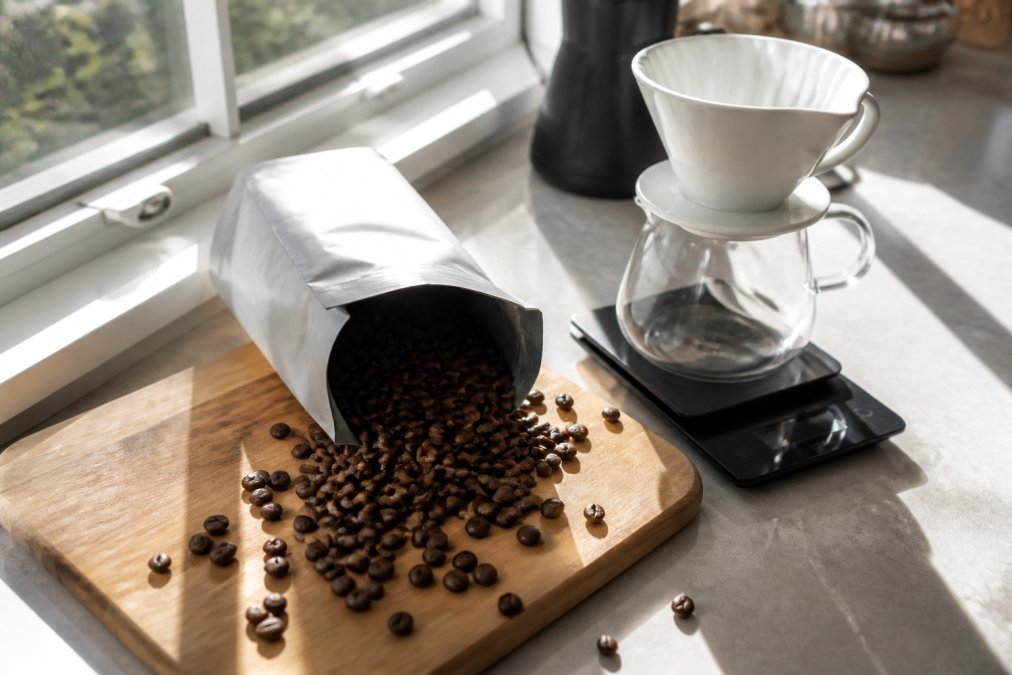
Cuppari Coffee is the best overall pick for freshness because beans are roasted only after an order is placed and shipped the same day, with free shipping on all U.S. orders. That closes the gap between roast date and brew date that undermines most subscriptions.
Why Roast-to-Order Changes the Flavor
Roast-to-order matters because coffee begins losing aromatic compounds within days of roasting. Most roasters aim for a window of roughly three to seven days after roast, when degassing has settled enough for even extraction without a flat cup.
How to Choose a Coffee Subscription That Fits Your Brew Method
Choosing a coffee subscription starts with your brew method, because roast profile and grind size determine whether a good bean tastes good in your setup. Match the roast to the brewer before comparing prices.
Matching Roast Profiles to Pour-Over, Espresso, and Cold Brew
- Pour-over: medium-light roasts. The Ethiopia Natural ($21.99) brings milk chocolate, fruity, and caramel notes that open up in a slow pour.
- Espresso: medium-dark roasts. The Bali Blue ($21.99) delivers dark chocolate, molasses, and brown sugar with enough body to survive pressure.
- Cold brew: medium-dark to dark. The Bali Blue again, or the 6Bean Blend from the Best Sellers pack, both hold up over a long steep.
- Drip: medium roasts. The Peru ($21.99) lands salted caramel, silky sweet, and citrus notes that stay balanced in a standard machine.
Whole bean preserves the most aroma, but pre-ground is a reasonable trade-off without a grinder. Buy pre-ground in smaller quantities so grounds do not sit exposed for weeks.
USDA guidance on coffee storage and food safety
Is Coffee Subscription Cheaper Than Buying in Store?
A coffee subscription is usually not cheaper per bag than grocery store coffee, and it is not meant to be. What matters is cost per good cup over a full year, not cost per pound on one receipt.
The 12-Month Cost-Per-Cup Math
Start with a baseline consumption rate. A single daily drinker using a 16-gram dose brews about 365 cups a year, roughly 12.9 pounds of coffee. A two-cup household doubles that to about 25.7 pounds.
- Grocery store bulk: A 24-ounce bag priced around $14 works out to roughly $0.58 per ounce. At 16 grams per cup, that is about $0.33 per cup, or roughly $120 a year for a single daily drinker. The catch is freshness variance: a bag roasted months ago and opened weeks ago tastes noticeably flatter, so the effective cost per enjoyable cup is higher than the sticker math suggests.
- Café drip: A $3.00 to $3.50 drip coffee, five days a week, runs $780 to $910 a year. This is the comparison most subscription services lean on, and it is the easiest one to beat.
- Fresh-roasted subscription: A 12-ounce bag at $21.99 is roughly $1.83 per ounce. At 16 grams per cup, that bag makes about 21 cups, or roughly $1.05 per cup. A single daily drinker ordering on a three-week cadence buys about 17 bags a year, or roughly $374 annually.
Where the Premium Actually Goes
The per-cup gap between grocery and subscription is not pure markup. It covers three things grocery pricing strips out:
- Roast-to-order timing. Beans roasted after the order is placed ship inside the degassing window instead of arriving at the tail end of it.
- Small-batch green coffee selection. A roaster buying in smaller lots can pay more per pound for a specific origin instead of blending to a price point.
- Predictable inventory. A subscription model lets a roaster roast against known demand instead of overproducing and warehousing.
The Break-Even Question
The break-even point is not about matching grocery prices. It is about how many cups you pour and discard because the bag went stale. If you throw out even a quarter of a bulk bag monthly, the effective grocery cost per cup climbs toward the subscription number, and the subscription wins on consistency.
Judge a coffee subscription on cost per cup you actually enjoy, not cost per pound. Stale coffee you drink anyway is the most expensive coffee you buy.
USDA guidance on coffee storage and food safety
Subscription Frequency, Flexibility, and Cancellation Policy
Frequency flexibility and a clear cancellation policy matter more than most reviews admit. The most common subscription complaint is not taste, it is ending up with more coffee than you can drink before it stales.
Before you commit, confirm three things:
- Can you pause or skip a delivery without contacting support?
- Is cancellation self-service, or does it require a phone call?
- Does the roast date reset with each shipment, or is it a fixed batch?
Coffee Subscription Gift Ideas for Every Drinker
Coffee subscription gift ideas work best when they match the recipient's brewing setup instead of your own taste. A gift that arrives stale or mismatched to their brewer is worse than a gift card.
Packaging, Shipping Costs, and Environmental Impact
Shipping cost and packaging are the two line items most reviews ignore, and both change the real cost of a subscription. Free shipping on all U.S. orders removes the per-box fee that quietly inflates many services. Packaging is harder, because the material that protects freshness best is often the hardest to recycle.
Why Coffee Bags Are Built the Way They Are
Coffee degasses after roasting, releasing carbon dioxide that pushes oxygen out of a sealed bag. Oxygen stales coffee, so the goal is one-way gas flow: CO2 out, oxygen stays out. A one-way degassing valve does exactly that, which is why valve-sealed bags protect flavor better than a folded top or plain foil pouch.
The Real Trade-Offs, Named
- Multi-material laminate with valve: Best freshness protection. Hardest to recycle curbside because the layers cannot be separated. Some roasters accept these back for a mail-in program, but that is the exception, not the norm.
- Recyclable mono-material bag: Single plastic stream, accepted in more curbside programs. Usually lacks a true one-way valve or uses a simpler seal, which shortens the usable freshness window once opened.
- Kraft paper with tin tie: Compostable in commercial facilities and easy to open and reseal. Poor oxygen barrier, so it is best for coffee you will finish within a week or two.
- Capsules: Portion control and sealed freshness per serving, but more packaging volume per cup. Aluminum capsules are widely recyclable where aluminum is accepted; plastic capsules usually are not.
How to Read a Coffee Bag's Recycling Claim
A recycling symbol on a coffee bag is not a guarantee your curbside program will take it. Look for a store drop-off label, which indicates acceptance through a retail collection stream rather than curbside. If the bag only shows a generic chasing-arrows symbol with no store drop-off language, treat it as landfill-bound in most programs.
Rinse and dry coffee bags before any store drop-off. Food residue is the most common reason a bag gets rejected at a collection bin, even when the material itself is accepted.
EPA guidance on reducing food and packaging waste
Frequently Asked Questions
Is a coffee subscription worth it compared to buying bags at the grocery store?
It depends on how fast you drink coffee and how much you care about roast dates. Grocery store bags often sit on shelves for weeks or months before you buy them, which means the beans have already passed their peak flavor window. A coffee subscription ships beans within days of roasting, so you get the aroma, acidity, and body the roaster intended. If you drink at least one cup a day, the freshness difference is usually noticeable, especially with single-origin beans.
How does roast-to-order shipping affect coffee freshness?
Coffee starts losing flavor the moment it leaves the roaster. Most beans hit their best window somewhere between 3 and 14 days after the roast date, depending on the roast profile. When a roaster waits until you order before roasting and ships the same day, the bag arrives during that peak window rather than after it. Check the roast date printed on the bag, not just the best-by date, to confirm you are getting freshly roasted coffee.
What are good coffee subscription gift ideas for someone who already has a favorite brand?
A sample pack works better than a full bag when you do not know their taste. Cuppari Coffee's Single Origin Favorites Sample Pack ($24.99) includes six 2-ounce packs from Brazil, Colombia, Costa Rica, Ethiopia, Honduras, and Tanzania, so the recipient can run a blind taste test and find a favorite. If they prefer flavored coffee, the Flavored Coffees Sample Pack ($24.99) covers French Vanilla, Hazelnut, Cinnabun, Caramel, and Mocha. Both let them try variety without committing to a recurring order.
Can I pause or cancel a coffee subscription if I end up with too much coffee?
Flexibility varies by roaster, so check the cancellation policy before you sign up. Look for three things: whether you can skip a delivery without losing your account, how far in advance you need to cancel before the next roast, and whether there are any fees. Some services let you change delivery frequency from weekly to monthly with one click. If a roaster does not publish its cancellation terms clearly, that is usually a sign the process will be more work than it should be.