

Table of Contents
- What Is Cold Brew Concentrate and How Does It Work
- Cold Brew Concentrate vs. Homemade: Key Differences
- Cost of Cold Brew Concentrate Per Serving vs. Alternatives
- Cold Brew Concentrate Shelf Life and Storage
- Flavor Profile, Acidity, and Quality Comparison
- Is Cold Brew Concentrate Worth It for Your Daily Routine
- Conclusion: Making the Right Choice
- Frequently Asked Questions
Last Updated: August 18, 2026
What Is Cold Brew Concentrate and How Does It Work
Cold brew concentrate is a potent coffee extract created by steeping coarsely ground coffee beans in cold water for 12 to 24 hours. Unlike heat-based brewing, cold water immersion extracts soluble compounds while leaving behind bitter and acidic compounds, producing a smooth, full-bodied concentrate roughly twice as strong as regular cold brew. When diluted 1:1 or 1:2 with water or milk, it yields a mellow cup with fewer tannins and less astringency than hot-brewed coffee.
Most commercial cold brew concentrate comes in 25 to 32 fluid ounce bottles, yielding 5 to 10 servings depending on dilution. The concentrate is shelf-stable unopened but requires refrigeration after opening, with most brands recommending consumption within 7 to 14 days.
At Cuppari Coffee, we understand that convenience matters as much as quality. That's why exploring whether cold brew concentrate fits your routine means understanding exactly what you're getting: a pre-made extraction that saves you the 12-hour steeping time while delivering consistent flavor every morning.
Cold Brew Concentrate vs. Homemade: Key Differences
The decision between buying cold brew concentrate and making your own comes down to time investment, consistency, and flavor control.
Homemade cold brew requires measuring coffee grounds, combining them with cold water, waiting 12 to 24 hours, straining grounds, and storing the concentrate in your refrigerator. The process ties up space and you won't taste results until steeping is complete. If the flavor isn't right, you've already invested time and materials.
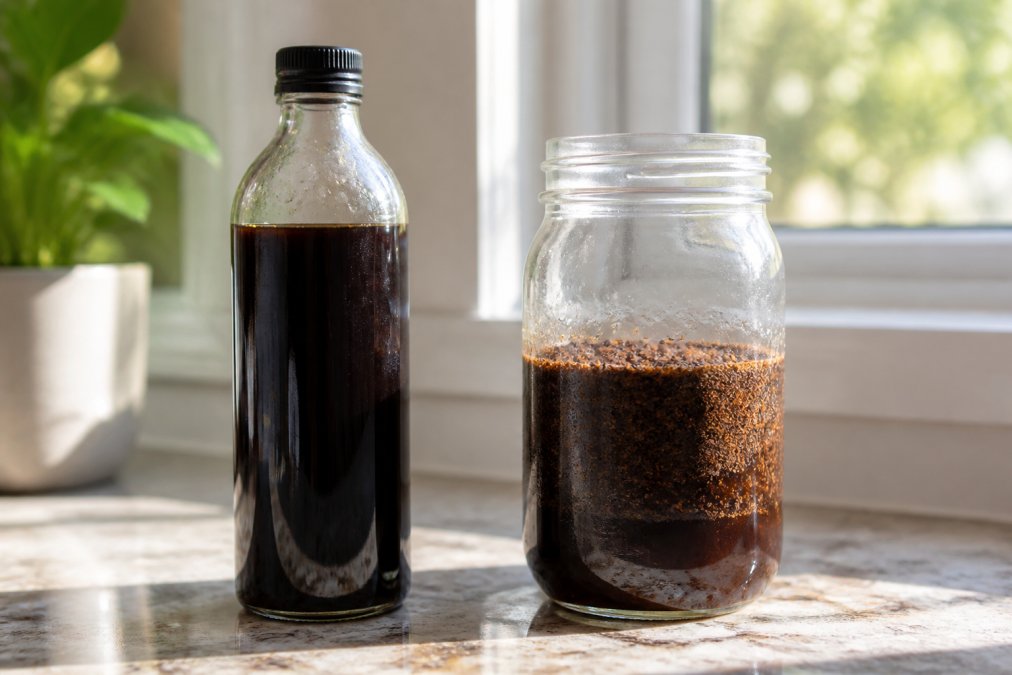
Commercial cold brew concentrate eliminates the wait. You open the bottle and dilute immediately. Flavor is consistent batch to batch because the roaster controls every variable: bean selection, grind size, water quality, steeping time, and filtration. Brands like Chameleon Cold-Brew use organic, Fair Trade beans, Stumptown Coffee Roasters applies direct-trade sourcing, and Bizzy Organic Cold Brew uses an 18-hour slow brew process with certified organic Arabica beans.
The trade-off is control. Homemade brewing lets you decide strength, bean selection, and steeping duration. Commercial producers make those choices for you, which is either a benefit (expert-optimized results) or a limitation (no adjustment to exact preference).
| Factor | Homemade Cold Brew | Commercial Concentrate |
|---|---|---|
| Time to Ready Cup | 12-24 hours + prep | Immediate |
| Flavor Consistency | Varies with each batch | Consistent |
| Control Over Strength | Complete | Limited to dilution ratio |
| Storage Requirement | Fridge space for steeping | Sealed bottle until opened |
| Equipment Needed | Container, filter, strainer | None |
| Cost Per Serving | Lower upfront, higher labor | Higher per bottle, zero labor |
| Shelf Life (Unopened) | Not applicable | 6-12 months typical |
The real difference comes down to whether you value the brewing ritual and full control or convenience and consistency.
Cost of Cold Brew Concentrate Per Serving vs. Alternatives
A typical 32 oz bottle yields roughly 64 oz of finished coffee when diluted 1:1, or about six to seven 10-ounce servings. Drip coffee costs roughly 25 to 50 cents per cup, espresso-based drinks at home run 30 to 60 cents per shot, and cold brew concentrate sits in the middle of that range.
For daily drinkers consuming roughly 30 servings per month, one bottle won't cover a full month alone. Brewing at home with ground beans might be cheaper per serving but requires daily effort. Cold brew concentrate reduces that effort to pouring and diluting.
Pricing varies significantly by brand and sourcing. Chameleon Cold-Brew offers organic, Fair Trade beans, Stumptown Coffee Roasters positions itself at the premium end with direct-trade sourcing, Grady's Cold Brew carries shipping premiums outside certain regions, and Bizzy Organic offers USDA certified organic concentrate at a different price point.
The question isn't which option is cheapest, it's which delivers the best value for your situation. Daily cold brew drinkers who buy from coffee shops are almost certainly paying more per serving than they would with concentrate. Occasional drinkers who already brew at home might find the convenience premium not worth the cost.
Cold Brew Concentrate Shelf Life and Storage
Unopened bottles of commercial cold brew concentrate typically remain fresh for 6 to 12 months when stored in a cool, dark place. Once opened, the concentrate requires refrigeration and typically stays fresh for 7 to 14 days. Chameleon Cold-Brew specifies a 2-week window after opening, while Bizzy Organic recommends consuming within 7 days.
The reason for the shorter post-opening shelf life is oxidation. Even in a sealed container, oxygen gradually degrades aromatic compounds. Once opened, oxidation accelerates and the concentrate loses flavor complexity, though it remains safe to drink.
Homemade cold brew concentrate follows similar rules. Store it in an airtight container in the refrigerator, where it stays fresh for about 2 weeks before flavor degradation becomes noticeable.
The practical implication: buy cold brew concentrate in quantities you'll finish within 2 weeks of opening. Buying a case of six bottles makes sense only if you drink cold brew daily and will finish at least one bottle per week.
Flavor Profile, Acidity, and Quality Comparison
Cold water extraction produces a smoother, less acidic cup because the lower temperature prevents extraction of compounds that contribute to bitterness and sharpness. The result is a mellow taste with chocolate, caramel, and nutty undertones rather than bright, sharp notes.
Acidity in cold brew concentrate is genuinely lower than in hot-brewed coffee because the immersion method extracts fewer tannins and acidic compounds. For people with sensitive stomachs or acid reflux, cold brew concentrate can be a genuine improvement. However, this acidity reduction is a natural consequence of the brewing method, not a special processing step.
The specific flavor profile depends on the beans used. Chameleon Cold-Brew emphasizes smooth Central and South American beans, Stumptown Coffee Roasters describes their concentrate as bold and chocolatey with balanced acidity, Grady's Cold Brew infuses chicory and spices for a distinctive New Orleans-style experience, and Bizzy Organic Arabica features sweet, hazelnut, and caramel notes.
Quality in cold brew concentrate comes down to bean selection, roasting, and the brewing process. Brands using single-origin or carefully selected blend beans, precise roasting, and optimal brewing duration produce noticeably better results than generic concentrates. The difference is most apparent when drinking it black or with just ice.
Freshness separates premium cold brew concentrate from cheaper alternatives. A concentrate made from beans roasted three months ago tastes flat compared to one made from beans roasted within the last two weeks. Cuppari Coffee roasts beans only after an order is placed and ships the same day, ensuring peak freshness and optimal aromatic potential for concentrate-based products.
Is Cold Brew Concentrate Worth It for Your Daily Routine
Cold brew concentrate is worth it if you drink cold coffee daily and value consistency. You eliminate the 12-24 hour steeping time, reduce the risk of failed batches, and get the same smooth, low-acid profile every morning. The convenience of opening a bottle and diluting versus brewing from scratch saves roughly 10-15 minutes per day.
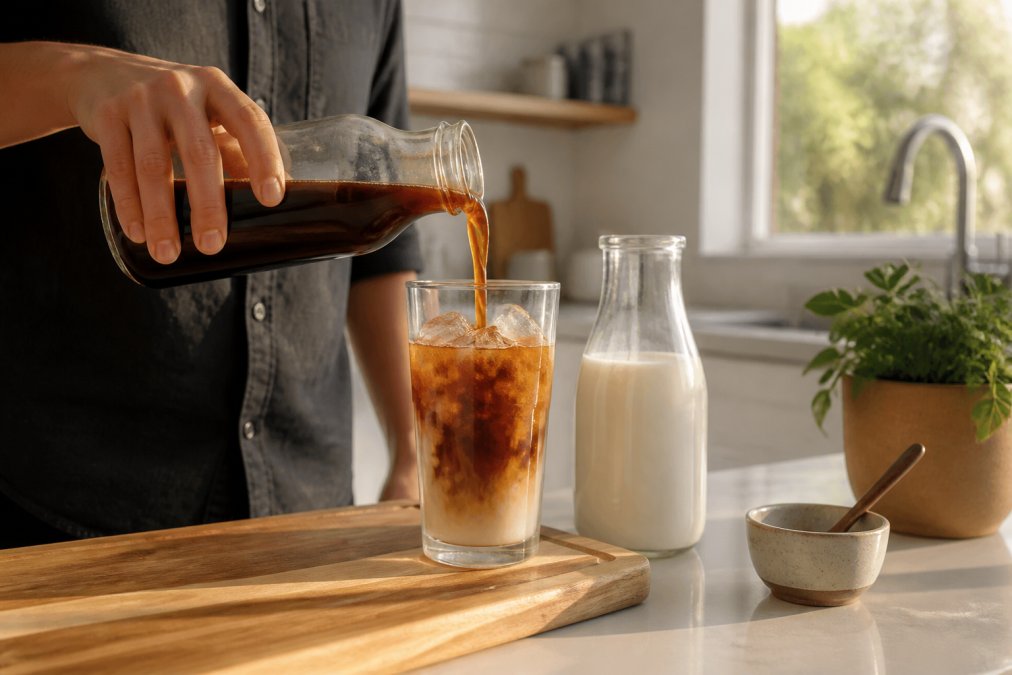
Cold brew concentrate is not worth it if you drink hot coffee primarily. The whole advantage of cold brew concentrate applies only to cold preparations. If you're reheating it, you lose the flavor advantages that justify the premium price.
Cold brew concentrate makes sense if you value flavor consistency. Commercial concentrates deliver the same taste every single day, while homemade brewing introduces variables: water temperature, steeping duration, bean freshness, and grind size.
Cold brew concentrate doesn't make sense if you enjoy the brewing ritual. Some people find the process of making coffee to be part of the experience. For them, buying pre-made concentrate removes something valuable.
The cost-benefit analysis shifts based on consumption frequency. Daily cold coffee drinkers who buy from coffee shops are almost certainly paying more per serving than they would with concentrate. Occasional cold coffee drinkers who already brew at home might find the convenience premium not worth the cost.
Consider also your storage situation. Cold brew concentrate requires refrigerator space once opened. If you're tight on fridge room, storing multiple bottles might create friction.
The honest assessment: cold brew concentrate is worth it if the convenience and consistency justify the cost for your specific situation. The decision hinges on how much you value your time, how much you care about flavor consistency, and how often you actually drink cold coffee.
Conclusion: Making the Right Choice
Cold brew concentrate solves a real problem: it delivers smooth, consistent cold coffee without the daily brewing effort. Whether that solution is worth it for you depends on your drinking habits, your budget, and how much you value convenience.
If you're committed to daily cold coffee and want guaranteed freshness without the brewing wait, Cuppari Coffee offers a premium alternative. Our beans are roasted only after your order is placed and shipped the same day, ensuring peak flavor extraction when you make your concentrate-based drinks. With free shipping on all U.S. orders and a diverse selection of single-origin and blend options, you get the freshness advantage that makes cold brew concentrate genuinely worthwhile. Add to cart and experience the difference that truly fresh beans make in every cold brew preparation.
Frequently Asked Questions
Is cold brew concentrate worth it compared to buying coffee at a shop?
Cold brew concentrate can reduce per-serving costs significantly compared to daily coffee shop visits, especially when purchased in bulk or through subscription services. However, the value depends on your consumption habits and current spending. If you visit a coffee shop 5+ times weekly at $5-$7 per drink, concentrate saves money. For occasional shoppers, the savings margin narrows. Freshly roasted concentrate from premium brands like Cuppari Coffee offers quality comparable to specialty shops at a lower per-serving cost when diluted properly.
How long does cold brew concentrate stay fresh after opening?
Cold brew concentrate shelf life typically ranges from 7-14 days after opening when stored in the refrigerator. Most commercial concentrates remain fresh for about 2 weeks once opened, though some brands specify shorter windows. Unopened bottles stay fresh for several months if kept refrigerated. Proper storage in a sealed, airtight container away from light and heat extends freshness. Always check the manufacturer's label for specific guidance on your cold brew concentrate brand.
Is it okay to drink cold brew concentrate every day?
Yes, drinking cold brew concentrate daily is safe for most adults. Cold brew typically has lower acidity than hot-brewed coffee, making it gentler on the stomach for daily consumption. However, caffeine content varies by brand and dilution ratio. A standard 1:1 dilution provides roughly 140-280 mg of caffeine per 12-ounce serving, depending on the concentrate. Monitor your total daily caffeine intake (FDA recommends up to 400 mg for most adults) and adjust dilution strength if needed. Those with acid sensitivity should still verify the specific acidity level of their chosen concentrate.
Does cold brew concentrate really save money compared to making it at home?
Cold brew concentrate saves time but may not always save money versus home brewing from whole beans. Homemade cold brew costs less per serving if you buy beans in bulk, though it requires 12-24 hours of steeping time and uses more grounds. Commercial concentrate eliminates brewing time and equipment investment, offering convenience at a premium. The break-even point depends on your bean costs, batch size, and how much time you value. For busy professionals, the time savings often justify the slightly higher per-serving cost of quality concentrate.
What is the best dilution ratio for cold brew concentrate?
Most cold brew concentrates recommend a 1:1 dilution ratio with water or milk, though some brands suggest 1:2 for a milder taste. Start with 1:1 and adjust based on your strength preference. For example, mix 2 ounces of concentrate with 2 ounces of cold water for a standard 4-ounce serving, then add ice and milk if desired. Experiment with ratios to find your ideal balance between caffeine kick and flavor smoothness. Different brands have varying strength levels, so check the label for manufacturer-specific recommendations.
This article was written using GrandRanker