

Table of Contents
- Why Decaf Freshly Roasted Coffee Delivery Beats Store Bags
- What to Look For in a Decaf Freshly Roasted Coffee Delivery Service
- Water Processed Decaf Coffee Beans: The Chemical-Free Choice
- Best Decaf Coffee Subscription: Flexibility and Freshness
- Comparing Top Delivery Services for Decaf Lovers
- How to Store Fresh Roasted Coffee to Keep It Flavorful
- Brewing Guide for Decaf: Get the Best Cup at Home
- Conclusion: Choose Your Decaf Delivery and Enjoy the Freshness
- Frequently Asked Questions
Last Updated: September 7, 2026
The best decaf coffee you will ever taste barely resembles the stale, dusty bags on grocery store shelves. Buying decaf freshly roasted coffee delivery changes the game, because the roast date matters more for decaf than almost any other factor. At Cuppari Coffee, we roast beans only after an order is placed and ship the same day. This guide covers what separates a premium decaf delivery service from the rest, how to evaluate options, and how to brew a cup that rivals any regular coffee.
Why Decaf Freshly Roasted Coffee Delivery Beats Store Bags
The fundamental problem with store-bought decaf is time. Bags on the shelf may have been roasted weeks or months ago, leaving flavors faded into a flat, woody taste. When you order decaf freshly roasted coffee delivery, you reset that clock.
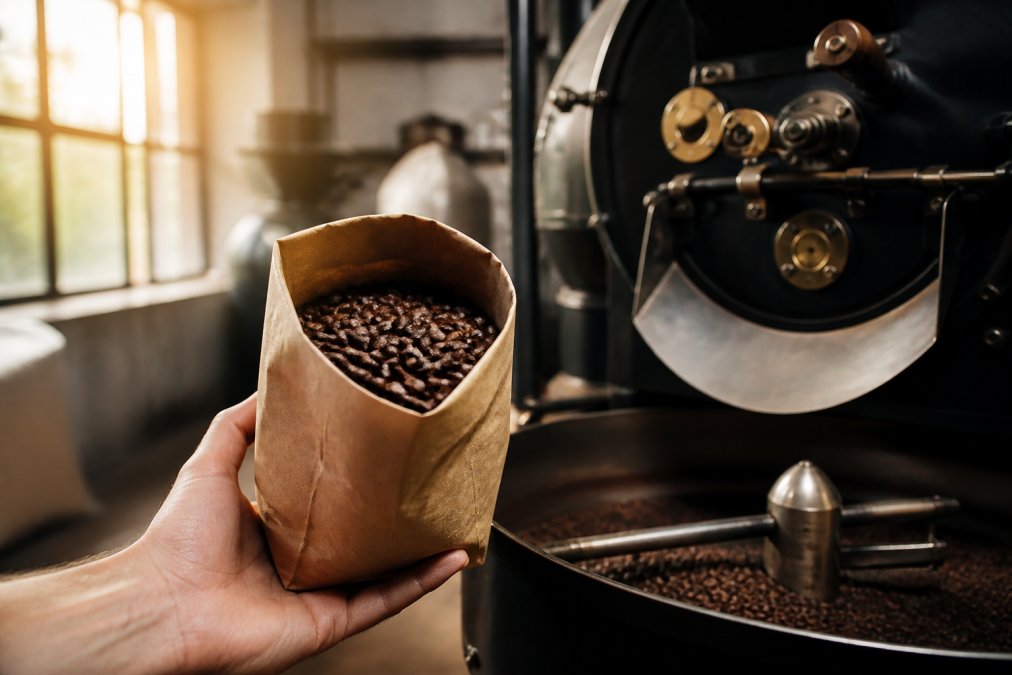
A common mistake is assuming "fresh" means the same thing everywhere. For specialty roasters, freshness is tied to the roast date, not the best-by date. Most roasters agree coffee peaks between 3 and 14 days after roasting, a window retail inventory cannot guarantee. Roast-to-order delivery closes the gap between roastery and grinder.
What to Look For in a Decaf Freshly Roasted Coffee Delivery Service
Choosing a service comes down to logistics and transparency. You want a roaster that prioritizes speed and clear communication about what you are actually receiving.
Roast Date and Shipping Speed
The single most important detail is the roast date. A reputable service will state this clearly on the bag and on its website. If a company roasts only after an order is placed and ships the same day, you know the beans are at their peak when they arrive. Look for explicit guarantees about this process, not vague claims about "fresh" coffee.
Whole Bean vs. Ground Options
Whole bean is almost always the right choice. Ground coffee loses its volatile aromas at a much faster rate because the increased surface area accelerates oxidation. If you are serious about flavor, buy whole bean and grind at home right before brewing. For those who prefer the convenience of pre-ground, consider a service that grinds to order, though be prepared for a shorter freshness window.
Water Processed Decaf Coffee Beans: The Chemical-Free Choice
Decaffeination happens before roasting, and the method used has a direct impact on flavor, body, and the chemical footprint of your cup. Most articles lump all methods into "water-processed" or "chemical," but the reality is more nuanced. For a truly informed choice, you need to understand the three main methods you will encounter on specialty roaster websites: Swiss Water, Mountain Water, and the Sugarcane (EA) process.
The Big Three: Swiss Water, Mountain Water, and Sugarcane
The Swiss Water Process is the most widely recognized chemical-free method. Green coffee is soaked in water, drawing out caffeine along with other soluble compounds. That water passes through a proprietary activated charcoal filter that traps caffeine molecules. The resulting "flavor-charged" water treats the next batch of beans; already saturated with coffee oils and solids, it can only pull caffeine from new beans, leaving flavor compounds largely intact. This is why Swiss Water decaf is often praised for tasting remarkably close to its caffeinated counterpart.
The Mountain Water Process is a similar concept but uses a different physical mechanism. It originates from a single facility in Mexico that uses water from the Pico de Orizaba mountain. The process involves soaking beans in water to extract caffeine, but instead of a charcoal filter, it uses a proprietary filtration system to separate the caffeine. The key difference is that Mountain Water Process is often described as a gentler extraction, and it is a single-origin process tied to a specific geographic location. Description of the Mountain Water Process provides a detailed look at their specific filtration steps. For the consumer, both Swiss Water and Mountain Water are excellent, chemical-free choices. The primary difference is often the flavor profile of the underlying bean, not the process itself.
The Sugarcane Process (often labeled EA or Ethyl Acetate) is a less understood but increasingly popular option. Derived from fermented sugarcane, this plant-based solvent is used to rinse steamed beans; it binds to caffeine and is washed away. Though technically chemical, it is naturally derived and certified organic by many standards bodies, and is often more cost-effective for roasters.
Why the Method Matters for Your Cup
The method directly influences the final flavor. Water-based methods (Swiss Water, Mountain Water) are prized for preserving the bean's origin characteristics, the bright acidity of a Kenyan or the chocolatey depth of a Colombian. The sugarcane process can sometimes mute the brightest high notes but can enhance the perception of body and sweetness. The older, direct-solvent methods using methylene chloride (which is banned in some countries for food processing) are rarely used by specialty roasters today, but you should still check a roaster's website to confirm they do not use it. Specialty Coffee Association's overview of decaffeination methods offers a more technical breakdown of these processes.
The Takeaway for Your Delivery Choice
When comparing services, look for the specific method named on the product page. A roaster that says only "naturally decaffeinated" is not giving enough information; one that specifies "Swiss Water Process" or "Sugarcane EA Process" demonstrates transparency. Prioritize explicit roasters, as this indicates overall quality and sourcing standards.
Best Decaf Coffee Subscription: Flexibility and Freshness
A subscription model solves the freshness problem by ensuring a steady cadence of newly roasted beans. The best decaf coffee subscription services offer control over delivery frequency, pause, skip, or adjust shipments, so you can set a schedule matching your brewing habits, whether every two weeks or every month.
Auto-ship schedules that arrive too frequently are a common reason people cancel. A service that roasts only after an order is placed and ships the same day ensures you are not paying for coffee that sits in a warehouse.
Comparing Top Delivery Services for Decaf Lovers
The market offers several strong options, each with a distinct focus on logistics, sourcing, and flavor. The table below summarizes the key differences to help you match a service to your priorities, but the real value lies in the details of their delivery and subscription policies.
| Service | Decaf Method | Best For | Key Differentiator |
|---|---|---|---|
| Cuppari Coffee | Roast-to-order | Freshness purists | Roasted and shipped same day, free U.S. shipping |
| Counter Culture Coffee | Water-based (EA) | Balanced flavor enthusiasts | Certified organic, notes of milk chocolate |
| Stumptown Coffee Roasters | Swiss Water Process | Smooth, medium roasts | Widely available, consistent quality |
| Volcanica Coffee | Swiss Water Process | Flavored and single-origin fans | Large 16-ounce bags, wide variety |
Counter Culture Coffee: The Balanced Choice
Counter Culture's Slow Motion Decaf blend is a benchmark for balance, offering a cup with both body and acidity. It features tasting notes of milk chocolate and molasses, making it a satisfying afternoon cup. Their certification for organic and fair trade sourcing adds a layer of trust for ethically minded buyers. Counter Culture Coffee's transparency reports on sourcing provide a detailed look at their supply chain.
Stumptown Coffee Roasters: The Smooth Option
Volcanica Coffee: For Flavored and Single-Origin Fans
The Logistics Gap: Roast-to-Order vs. Batch Roasting
The most significant differentiator among these services is logistics, not bean origin. A service that roasts only after an order is placed and ships the same day operates on a different freshness model than a batch roaster shipping from a warehouse. The latter may be "fresh" within the last week, but the former guarantees beans just hours out of the roaster. Always look for specific language about roast date and shipping speed, not just flavor notes.
How to Store Fresh Roasted Coffee to Keep It Flavorful
Proper storage is the final step in protecting your investment. The enemies of coffee are oxygen, light, heat, and moisture. An airtight container in a cool, dark cabinet is the standard recommendation; avoid the refrigerator or freezer.
How to store fresh roasted coffee correctly is a question of simple physics: oxidation is the enemy. Once you open a bag, the clock ticks faster. Buy in quantities you will consume within two weeks.
Brewing Guide for Decaf: Get the Best Cup at Home
Brewing decaf requires slight technique adjustments. Decaffeinated beans are often more brittle and extract faster than regular coffee, leading to over-extraction and bitterness. A common approach is a slightly finer grind than for a regular cup.
Start with a ratio of 1:16, meaning one gram of coffee for every 16 grams of water. Adjust from there based on your taste preference. For a pour-over, aim for a total brew time of around three minutes. For a drip machine, ensure the water temperature is between 195 and 205 degrees Fahrenheit. The goal is a balanced extraction that highlights the nutty, honey, or walnut notes typical of a good water-processed decaf. National Coffee Association's brewing fundamentals is a solid reference for standard ratios and techniques.
Conclusion: Choose Your Decaf Delivery and Enjoy the Freshness
The difference between a mediocre decaf and a great one often comes down to logistics. A service that roasts to order and ships immediately eliminates the biggest barrier to quality: time. Cuppari Coffee delivers premium, freshly roasted coffee directly to your doorstep, with beans roasted only after you place an order and shipped the same day. With free U.S. shipping and a diverse selection of single origin, blends, and flavored options, you can explore flavor profiles without compromising on freshness. Get started with Cuppari Coffee and taste what decaf is supposed to be.
Frequently Asked Questions
Is there a decaf coffee brand that tastes like real coffee?
Yes. The best decaf freshly roasted coffee options come from specialty roasters who treat decaf with the same care as their regular beans. Look for roasters that use high-quality beans and water-processed decaffeination. Coffee roasted within the last two weeks and ground just before brewing will taste far closer to regular coffee than a bag that sat on a shelf for months.
How does water-processed decaf differ from chemical-processed?
Water-processed decaf coffee beans use only water to remove caffeine, while chemical methods use solvents like methylene chloride or ethyl acetate. The Swiss Water Process is the most common water-based method. It relies on temperature and time to draw caffeine out without chemicals. Many coffee drinkers find water-processed beans taste cleaner and more like the original coffee. If you want a chemical-free option, check that the roaster specifies Swiss Water Process or another water-based method.
What should I look for in a fresh-roasted coffee subscription?
Look for three things: a visible roast date, fast shipping, and flexible delivery schedules. The roast date tells you how fresh the beans are when they arrive. Shipping speed matters because beans are best between 3 and 14 days after roasting. Flexibility lets you pause or skip months so you never end up with stale coffee. Check whether the roaster roasts to order or ships from inventory. Roasting to order after you place your order is the strongest freshness guarantee.
How quickly does freshly roasted coffee arrive after it ships?
Most specialty roasters ship within one to two business days after roasting. Transit time depends on your location, but many orders arrive within three to five days. That puts the coffee within its optimal flavor window of 3 to 14 days after roasting. Some roasters, like Cuppari Coffee, roast and ship on the same day to maximize freshness. If you want beans at their peak, order from a roaster that ships quickly and check the roast date when the package arrives.