

Table of Contents
- Does Specialty Tea Actually Help With Inflammation
- How Tea's Plant Compounds Target Inflammatory Response
- Green Tea and Inflammation: What Catechins and EGCG Do
- Black Tea Anti-Inflammatory Effects and Polyphenol Content
- Herbal Teas That Fight Inflammation: Ginger, Turmeric, and More
- How Much Tea to Drink for Inflammation and Brewing Best Practices
- Anti-Inflammatory Tea Recipes and Specialty Blends
- Tea as Complement, Not Replacement: Safety and Medication Interactions
- Frequently Asked Questions
Last Updated: October 10, 2026
Does Specialty Tea Actually Help With Inflammation
Does specialty tea work for inflammation? The short answer is that certain teas contain plant compounds that may help reduce inflammatory response in your body. However, tea works best as a complement to other healthy habits, not as a replacement for medical treatment.
Green tea, herbal blends with ginger and turmeric, and other specialty options have gained attention for their potential anti-inflammatory effects. Evidence varies by tea type, and brewing method matters significantly.
This guide breaks down which teas show promise, how their plant compounds target inflammatory response, and practical steps to maximize benefits.
How Tea's Plant Compounds Target Inflammatory Response
Tea leaves contain bioactive compounds called polyphenols and catechins that may help your body manage inflammation. Understanding how these compounds work requires distinguishing between laboratory studies, animal research, and human clinical trials, a compound that reduces inflammation in a test tube or in mice doesn't automatically do the same in your body.
Laboratory and Animal Evidence
Most anti-inflammatory claims originate from laboratory studies showing that polyphenols and catechins inhibit inflammatory enzymes and reduce oxidative stress markers. Animal studies demonstrate that tea compounds can lower inflammatory markers like TNF-alpha and IL-6. However, this research cannot be directly applied to humans because animal dosing, metabolism, and inflammatory responses differ significantly from ours.
Human Clinical Evidence
The strongest human evidence exists for green tea: several randomized controlled trials show that regular green tea consumption (2-3 cups daily for 8-12 weeks) can modestly reduce inflammatory biomarkers such as C-reactive protein (CRP) and interleukin-6 (IL-6) in people with metabolic syndrome, obesity, or cardiovascular risk factors.
For herbal teas like ginger and turmeric, human evidence is more limited. Small trials suggest ginger may reduce joint pain in osteoarthritis, and curcumin shows promise for inflammatory bowel conditions, but sample sizes are typically under 100 participants with short study duration (4-12 weeks). The evidence is preliminary and not yet conclusive.
The Bioavailability Challenge
Bioavailability, the amount of a compound your body actually absorbs, is a major limitation. Green tea's EGCG is absorbed at roughly 25-30% efficiency. Turmeric's curcumin has even lower bioavailability (around 5-10%) unless paired with black pepper (piperine), which can increase absorption to 20% or higher.
What This Means for Your Choices
When evaluating specialty tea for inflammation, ask: Is this claim based on test-tube results, animal studies, or human trials? Tea's anti-inflammatory effects appear real but modest. Regular consumption may support your body's inflammatory response over weeks or months, but tea is not a substitute for medical treatment of diagnosed inflammatory conditions.
Green Tea and Inflammation: What Catechins and EGCG Do
Green tea stands out for its catechin content, particularly EGCG (epigallocatechin gallate), the most abundant catechin and focus of numerous anti-inflammatory studies.
EGCG targets inflammatory enzymes in your body. Consistent consumption over weeks may add up to meaningful support for managing inflammatory response, though your body doesn't absorb all of it.
The same compounds that target inflammatory pathways also provide antioxidant protection, making green tea a reasonable choice for inflammation support.
Cuppari Coffee offers premium Jasmine tea ($17.00), which pairs fresh jasmine blossoms with green tea. The green tea base delivers the catechins and EGCG you're seeking, while jasmine adds a smooth, fruity flavor that makes regular consumption easier.
Black Tea Anti-Inflammatory Effects and Polyphenol Content
Black tea contains fewer catechins than green tea but offers its own polyphenol profile. Its fermentation process creates theaflavins and thearubigins, compounds that may help reduce inflammatory markers.
Black tea's polyphenols inhibit inflammatory enzymes and reduce oxidative stress similarly to green tea's catechins. If you prefer black tea's bolder flavor, you're still getting anti-inflammatory support.
Herbal Teas That Fight Inflammation: Ginger, Turmeric, and More
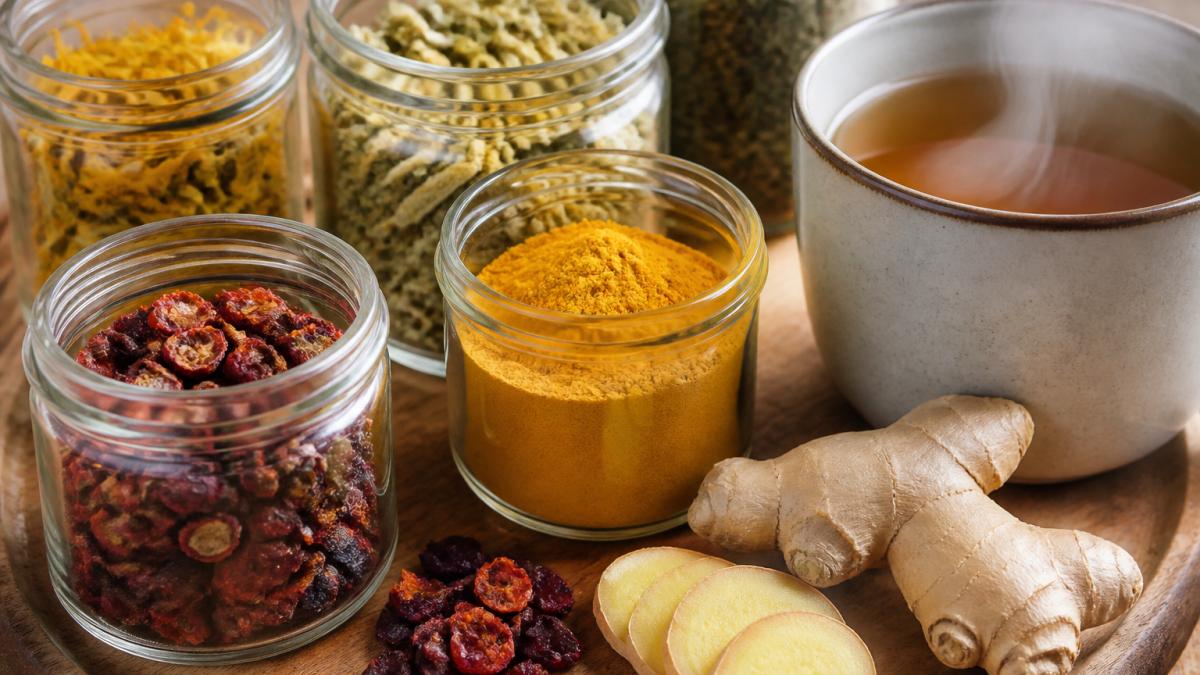
Herbal teas bring specific active compounds to address inflammation. Ginger tea contains gingerols, turmeric tea contains curcumin, and other herbal blends offer their own anti-inflammatory compounds.
Ginger contains gingerols that target inflammatory enzymes and reduce oxidative stress similarly to EGCG in green tea. A cup of ginger tea delivers measurable amounts of these compounds, making it practical for daily consumption.
Turmeric tea centers on curcumin, which appears to inhibit inflammatory pathways more directly than compounds in green or black tea. However, curcumin has low bioavailability. Pairing turmeric with black pepper (piperine) can increase absorption significantly.
Other herbal options include holy basil, chamomile, and rose hip tea. Holy basil contains compounds that may reduce inflammatory markers, chamomile offers flavonoids that support inflammatory response, and rose hip provides vitamin C and polyphenols for antioxidant support.
Cuppari Coffee's Hibiscus Berry Tea ($17.00) combines organic hibiscus flowers with rosehips and organic blueberry flavor. Rosehips deliver polyphenols and vitamin C, while hibiscus offers its own anti-inflammatory compounds. This blend makes it easy to get multiple anti-inflammatory sources in one cup.
How Much Tea to Drink for Inflammation and Brewing Best Practices
Consistency matters more than quantity. Most research on tea's anti-inflammatory effects involves daily consumption over weeks or months. Regular habits build measurable effects.
A practical starting point is 2-3 cups daily. This amount provides enough bioactive compounds to potentially support inflammatory management without excessive caffeine intake (unless you're sensitive to it). Some people drink more; others find 1-2 cups sufficient. The key is finding a sustainable habit you'll maintain.
Brewing method directly impacts what you get in your cup:
- Water temperature: 160-180°F for delicate teas, 200-212°F for herbal blends
- Steeping time: 3-5 minutes for green tea, 5-10 minutes for herbal teas
- Loose-leaf vs. bags: Loose-leaf typically delivers more bioactive compounds
- Water quality: Filtered water prevents mineral interference with compound extraction
Hotter water and longer steeping extract more polyphenols, catechins, and other active compounds. However, they can also increase bitterness. Experiment to find the balance between flavor and benefit that works for you.
Anti-Inflammatory Tea Recipes and Specialty Blends
Creating your own tea blends lets you combine multiple anti-inflammatory sources in one cup. Simple recipes work best because they're easy to repeat daily.
Basic Ginger-Turmeric Blend: Combine 1 teaspoon fresh grated ginger, ½ teaspoon turmeric powder, ¼ teaspoon black pepper, and your choice of green or black tea. Steep in 8 ounces of hot water for 5-7 minutes. Add honey or lemon if desired. This blend targets inflammatory response through multiple pathways and tastes balanced.
Herbal Inflammation Support: Mix equal parts dried ginger, turmeric, chamomile, and rose hip. Use 1 tablespoon of the blend per 8 ounces of water. Steep for 8-10 minutes. This caffeine-free option works well in the evening and combines four different anti-inflammatory sources.
Green Tea with Mint: Brew green tea normally, then add fresh mint leaves during steeping. Mint adds flavor and its own anti-inflammatory compounds. This simple variation makes green tea more enjoyable for daily drinking.
Specialty blends from quality sources ensure consistent quality. Cuppari Coffee's Moroccan Mint ($17.00) pairs green tea with fresh mint in a proven combination. The green tea delivers catechins and EGCG, while mint adds refreshing flavor and additional anti-inflammatory support.
Tea as Complement, Not Replacement: Safety and Medication Interactions
Tea contains bioactive compounds that work gently on your system. This gentleness is also its limitation, tea supports inflammation management but does not replace medical treatment for inflammatory conditions like rheumatoid arthritis, inflammatory bowel disease, or lupus. Before making tea a central part of your routine, especially if you have a diagnosed condition or take medications, understand the safety considerations.
Medication Interactions
Several common teas can interact with medications:
- Ginger and turmeric tea: Both have mild anticoagulant (blood-thinning) properties. If you take warfarin, apixaban, rivaroxaban, clopidogrel, or aspirin for cardiovascular protection, consuming large amounts of ginger or turmeric tea (more than 3-4 cups daily) may increase bleeding risk. Discuss with your clinician before adding these teas to your routine.
- Green and black tea: Both contain compounds that inhibit iron absorption. If you have iron deficiency anemia or take iron supplements, avoid drinking these teas within 2 hours of meals or supplement doses. This is especially important for people with conditions like celiac disease or those taking iron for pregnancy-related anemia.
- Green tea and certain medications: Green tea's catechins may interact with beta-blockers (used for heart conditions and hypertension) and some cancer medications. If you take these drugs, consult your doctor before consuming green tea regularly.
- Herbal teas and liver or kidney disease: If you have compromised liver or kidney function, some herbal compounds (particularly in concentrated herbal blends) may accumulate in your body. People with these conditions should check with their healthcare provider before adopting a daily herbal tea habit.
Pregnancy and Breastfeeding
Caffeine intake during pregnancy is a concern. Green and black teas contain 25-50 mg of caffeine per 8-ounce cup; the American College of Obstetricians and Gynecologists recommends limiting caffeine to 200 mg daily during pregnancy. This means 4-8 cups of green or black tea daily would exceed that limit.
Caffeine Sensitivity and Sleep
Green and black teas contain caffeine. If you're sensitive to caffeine, consuming these teas in the afternoon or evening may disrupt sleep, which ironically worsens inflammation (poor sleep increases inflammatory markers). If you're caffeine-sensitive, switch to caffeine-free herbal options like chamomile, ginger, or rose hip after 2 p.m., or limit green and black tea to morning hours only.
Allergies and Individual Sensitivities
Tea allergies are rare but possible. Reactions may include itching in the mouth, swelling of the lips or throat, or digestive upset. If you experience these symptoms after drinking a new tea, discontinue it and consult an allergist. Some people also experience digestive upset (nausea, stomach pain, or loose stools) from herbal teas, particularly ginger or turmeric in large amounts. Start with small amounts and observe how your body responds.
When to Consult Your Clinician
Talk with your doctor or registered dietitian before making tea a central part of your routine if you:
- Have a diagnosed inflammatory condition (rheumatoid arthritis, inflammatory bowel disease, lupus, psoriasis)
- Take anticoagulants, antiplatelet drugs, beta-blockers, or immunosuppressants
- Have liver or kidney disease
- Are pregnant or breastfeeding
- Take iron supplements or have iron deficiency anemia
- Are caffeine-sensitive or have sleep disorders
- Have a history of tea or herbal allergies
Tea as One Tool, Not the Solution
Tea works best as part of a broader approach to managing inflammation. Regular physical activity, adequate sleep (7-9 hours nightly), stress management, and a diet rich in whole foods, vegetables, fruits, fish, nuts, and legumes, all support your body's inflammatory response more powerfully than tea alone.
Frequently Asked Questions
Can specialty tea actually reduce inflammation in the body?
Specialty teas contain bioactive compounds like polyphenols, catechins, and curcumin that research suggests may help reduce inflammatory response. Green tea, black tea, ginger, and turmeric teas show the most evidence. However, tea works best as part of a broader approach to managing inflammation, it's not a replacement for medical treatment. Consistent consumption over weeks may be needed to notice effects.
How much tea should you drink daily for anti-inflammatory benefits?
Most research on tea and inflammation involves 2-3 cups daily. For green tea, studies often use 3-4 cups per day. Herbal teas like ginger or turmeric can be steeped 1-3 times daily. Start with 1-2 cups and increase gradually to assess tolerance. Brewing time matters: steep green tea 3-5 minutes and herbal teas 5-10 minutes to extract maximum bioactive compounds.
Which specialty teas have the strongest anti-inflammatory effects?
Green tea (high in EGCG catechins), black tea (rich polyphenols), ginger tea, turmeric tea (curcumin), and holy basil tea show the most scientific support. Specialty blends combining these ingredients, like hibiscus with rosehips, add antioxidants and may enhance anti-inflammatory effects. Single-ingredient teas often provide higher concentrations of active compounds than blends, though quality specialty blends can be equally effective.
Is it safe to drink anti-inflammatory tea if I take other medications?
Most specialty teas are safe for regular consumption, but some can interact with medications. Green tea may affect blood thinners; ginger and turmeric can interact with anticoagulants or diabetes medications. Consult your doctor before adding high-intake herbal teas to your routine, especially if you take prescription medications. Tea complements medical care but should not replace prescribed anti-inflammatory treatments.