

Table of Contents
- Why Fresh Coffee Beans for Sale Online Beat Store Shelves
- Whole Bean Coffee vs. Ground: Which Stays Fresher Longer
- Exploring Coffee Bean Origins and What They Taste Like
- Fresh Coffee Beans for Sale: What to Look for Before You Buy
- What the Best Online Coffee Roasters Do Differently
- Coffee Bean Storage: How to Keep Your Beans Fresh After Delivery
- Brewing Guide: Getting the Most from Freshly Roasted Beans
- Conclusion
Last Updated: May 8, 2026
Finding fresh coffee beans for sale that actually taste fresh is harder than it sounds. Most grocery store bags sat in a warehouse for weeks before hitting the shelf, and by the time they reach your kitchen, the flavor has already started to fade. At Cuppari Coffee, we roast every order the same day it's placed and ship immediately, which means the beans arriving at your door are genuinely fresh, not just marketed that way. Below, we'll show you exactly how to identify quality beans, what origin and roast level to choose, and how to store and brew them for maximum flavor.
Here's what most guides get wrong: they focus on roast profiles and tasting notes without addressing the single biggest variable, which is time. A beautifully roasted Ethiopian single origin tastes completely different at day 3 versus day 30 post-roast. The science of freshness matters more than any other factor, and understanding it changes how you shop.
Why Fresh Coffee Beans for Sale Online Beat Store Shelves
Buying fresh coffee beans for sale online consistently outperforms retail shopping for one simple reason: supply chain speed. Grocery store coffee travels from roaster to distributor to warehouse to shelf, a process that routinely takes four to eight weeks. By the time you buy it, the beans are already stale.
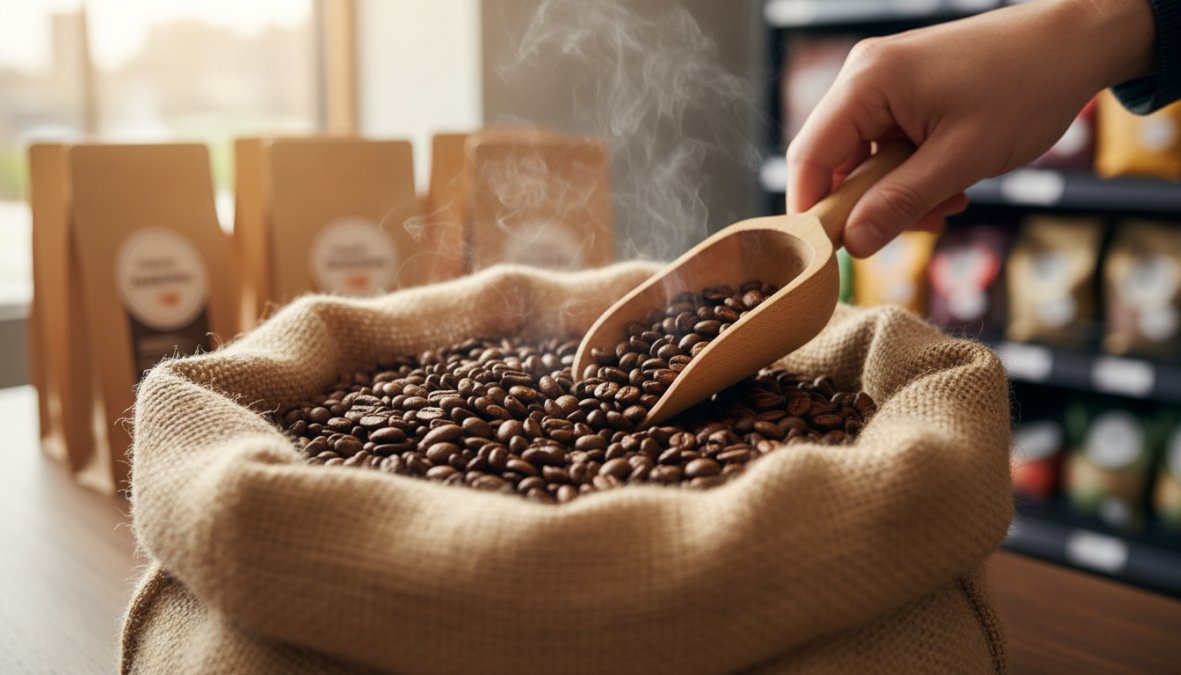
Online specialty roasters, particularly roasted-to-order operations, collapse that timeline dramatically. Your beans get roasted on the day you order and shipped the same afternoon. The difference in cup quality is not subtle.
The Science of Freshness: What Happens After Roasting
Freshly roasted coffee beans are a chemically active product. During roasting, carbon dioxide builds up inside the bean structure. After roasting, that CO2 slowly releases in a process called degassing, which typically runs for 24 to 72 hours. This is why most specialty roasters recommend waiting a day or two before brewing whole bean coffee.
The real threat to freshness is oxidation. Once CO2 has degassed, oxygen begins interacting with the volatile aromatic compounds that give coffee its distinctive aroma and flavor. The result is a flat, papery, or sometimes rancid taste. According to Specialty Coffee Association's research on coffee freshness, most roasted coffee reaches peak flavor between 4 and 21 days post-roast, with a steep decline after 30 days.
Roast date transparency is the clearest signal of quality. If a bag shows only a "best by" date without a roast date, assume the worst.
Roasted-to-Order vs. Pre-Roasted: A Real Difference
Pre-roasted coffee, the kind sitting on supermarket shelves, is roasted in bulk and held in inventory. Even with nitrogen-flushed packaging, it cannot match the freshness of beans roasted the day your order is placed.
Roasted-to-order means zero inventory aging. Your specific 12oz bag or 5lb bag gets roasted that morning. This model requires a different operational setup, but the flavor payoff is significant. For espresso especially, where extraction chemistry is unforgiving, bean freshness directly impacts crema quality and shot balance.
Whole Bean Coffee vs. Ground: Which Stays Fresher Longer
Whole bean coffee stays fresher longer than pre-ground coffee, and the gap is significant. Grinding increases the surface area exposed to oxygen by roughly a factor of several hundred. What takes weeks to go stale as whole beans takes days as ground coffee.
The practical implication: buy whole bean whenever possible, and grind immediately before brewing. A burr grinder is the standard recommendation among specialty coffee practitioners. Blade grinders produce uneven particle sizes that lead to inconsistent extraction, which means both over-extracted bitter notes and under-extracted sour notes in the same cup.
That said, ground coffee has its place. Convenience matters, and for households without a grinder, pre-ground specialty coffee is still far better than supermarket alternatives. Cuppari Coffee offers both whole bean and ground options across its single origin and blend selections, so you're not forced to choose between quality and convenience.
| Format | Shelf Life (sealed) | Shelf Life (opened) | Best For |
|---|---|---|---|
| Whole bean | 3-4 weeks peak | 2-3 weeks | Daily brewing, espresso |
| Pre-ground | 1-2 weeks peak | 1 week | Convenience, drip coffee |
| Coffee pods | 12+ months | N/A (sealed) | Single-serve, consistency |
Exploring Coffee Bean Origins and What They Taste Like
Coffee origin is not a marketing detail. It is a direct predictor of flavor, because soil composition, altitude, rainfall patterns, and processing methods vary dramatically by region. Understanding origin helps you buy beans that match your actual taste preferences rather than guessing from a roast label.
Single Origin Profiles: Ethiopia, Colombia, Peru, Sumatra, and Brazil
Ethiopian beans are widely considered the most complex in the arabica world. Expect floral aromatics, bright citrus acidity, and fruit-forward notes ranging from blueberry to jasmine. Ethiopian natural-process coffees lean toward wine-like sweetness; washed Ethiopian beans are cleaner and more tea-like.
Colombian coffee is the entry point for many specialty drinkers. It tends toward balanced, medium-bodied cups with caramel sweetness, mild acidity, and notes of red fruit or hazelnut. It's forgiving across roast levels and brew methods.
Peru produces coffees with a gentle, clean profile, often featuring milk chocolate, soft citrus, and a light to medium body. Peruvian beans are frequently certified organic and fair trade, reflecting the country's smallholder farming structure.
Sumatran coffee sits at the opposite end of the spectrum from Ethiopian. Wet-hulled processing creates a distinctive earthy, full-bodied cup with low acidity, notes of dark chocolate, cedar, and sometimes tobacco. It's a divisive profile but deeply loyal fanbase.
Brazilian beans are the backbone of most espresso blends globally. Low acidity, heavy body, and nutty, chocolatey notes make them ideal for milk-based drinks. Single-origin Brazilian coffee is excellent for those who want espresso without sharp brightness.
Blends and Roast Levels: Dark, Medium, and Light Explained
Blends exist to create consistency and balance that single origins cannot always deliver alone. A roaster's blend typically combines beans from two or more origins to hit a target flavor profile year-round, compensating for seasonal crop variation.
Light roast preserves the most origin character. Higher acidity, lighter body, and more complex floral or fruit notes. Best for filter brewing methods like pour-over or Chemex.
Medium roast balances origin character with roast development. Caramel sweetness, rounded acidity, and versatility across brew methods. The most popular roast level for everyday drinking.
Dark roast prioritizes roast character over origin character. Low acidity, heavy body, bittersweet chocolate and smoky notes. Best for espresso, French press, and cold brew where bold flavor is the goal.
Fresh Coffee Beans for Sale: What to Look for Before You Buy
The best fresh coffee beans for sale carry clear signals of quality before you ever open the bag. Knowing what to look for protects you from paying specialty prices for commodity coffee.
Organic, Fair Trade, and Rainforest Alliance Certifications
These certifications signal different things, and it's worth understanding the distinctions.
Organic certification means the beans were grown without synthetic pesticides or fertilizers. It's a farming practice certification, not a flavor guarantee, though many specialty-grade organic coffees from Peru, Mexico, and Ethiopia are genuinely excellent.
Fair Trade certification ensures farmers received a minimum price floor and met social standards. It addresses economic equity in the supply chain. According to Fair Trade USA's producer impact overview, fair trade premiums fund community development projects including schools and healthcare in growing regions.
Rainforest Alliance certification focuses on environmental sustainability and biodiversity conservation. It's common on larger-scale commercial operations and signals responsible land management.
Swiss Water Decaf is the gold standard for decaffeinated coffee. It uses only water and osmosis to remove caffeine, preserving flavor compounds that chemical solvent processes destroy. If you're buying decaf, Swiss Water Process is the label to seek.
Specialty Coffee, Arabica Beans, and Quality Indicators
Specialty coffee is defined by the Specialty Coffee Association as coffee scoring 80 points or above on a 100-point cupping scale. This is a meaningful threshold. Below 80 is commercial-grade coffee. Above 80, you're in a different category of flavor complexity and sourcing standards.
Nearly all specialty coffee is Arabica. Robusta beans, used in commodity blends and many instant coffees, have higher caffeine but significantly less flavor complexity. For whole bean coffee purchased from a specialty roaster, you're almost always getting Arabica.
Quality indicators to check before buying:
- Roast date visible on packaging
- Origin transparency (country, region, or farm)
- Processing method noted (washed, natural, honey)
- Altitude listed (higher altitude generally means denser, more complex beans)
- SCA score or cupping notes provided
What the Best Online Coffee Roasters Do Differently
The best online coffee roasters share a few operational commitments that separate them from the competition. Freshness transparency is the most important: they display roast dates, not just best-by dates, and they roast in small batches to minimize time between roast and shipment.
Sourcing specificity is the second differentiator. Generic "South American blend" labeling is a red flag. Quality roasters name the farm, cooperative, or region and often describe the relationship with the producer. This traceability is both an ethical commitment and a flavor guarantee, because sourcing relationships give roasters access to better lots.
Cuppari Coffee's model takes this a step further: every order triggers a fresh roast, and beans ship the same day. There's no sitting inventory, no aging on a warehouse shelf. The coffee subscription option extends this model across regular deliveries, so you receive freshly roasted beans on a schedule that matches your consumption rate rather than letting a large bag go stale.
A coffee subscription also solves the most common mistake home brewers make: buying in bulk to save money, then watching half the bag oxidize before they can use it. A subscription sized to your actual weekly consumption is almost always the better value when you factor in the waste from stale coffee.
Coffee Bean Storage: How to Keep Your Beans Fresh After Delivery
Proper coffee bean storage is the difference between a bag that tastes great through the last scoop and one that's flat by day ten. The enemies are oxygen, moisture, heat, and light, roughly in that order of importance.
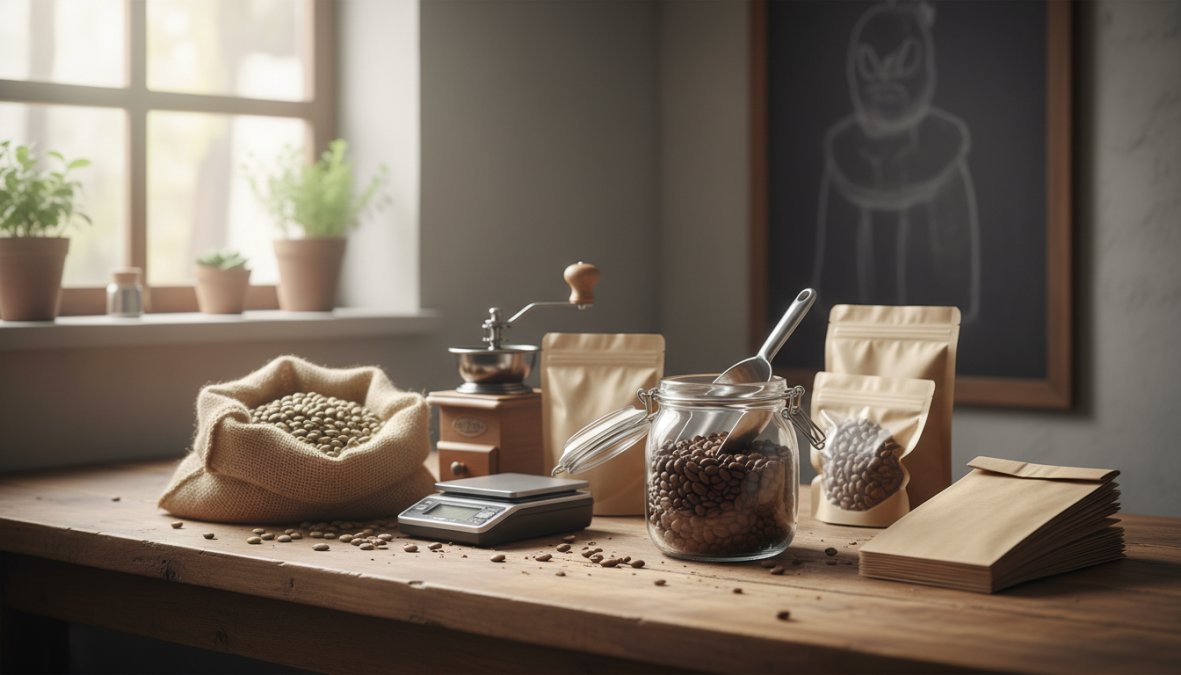
The standard recommendation from specialty coffee practitioners:
- Keep beans in their original bag if it has a one-way valve, which allows CO2 to escape without letting oxygen in
- Transfer to an airtight container after opening if the bag doesn't reseal securely
- Store at room temperature, away from direct sunlight and heat sources like the stovetop
- Never store in the refrigerator: the moisture cycle from daily opening and closing accelerates staling and introduces off-flavors
- Freezing is acceptable for long-term storage of unopened bags only, and beans should come fully to room temperature before opening
The freezer debate is real. According to National Coffee Association's brewing and storage guidance, freezing whole beans in an airtight container can extend shelf life, but only if the bag is never partially used and refrozen. Partial-use freezing is worse than room-temperature storage.
Buy in quantities you'll use within two to three weeks of opening. A 12oz bag is right for most single-person households. A 5lb bag makes sense for households brewing multiple pots daily or for offices.
Brewing Guide: Getting the Most from Freshly Roasted Beans
Freshly roasted beans deserve a brewing method that matches their characteristics. The wrong method doesn't ruin fresh coffee, but it does waste it. Getting the match right is what separates a good cup from an exceptional one.
Espresso, Cold Brew, and Filter: Matching Beans to Your Brew Method
Espresso demands medium to dark roast beans with sufficient body to support the pressure-extraction process. Light roasts can work for espresso, but they require precise grind calibration and produce a more acidic, complex shot that divides opinion. Brazilian and Colombian single origins, or purpose-built espresso blends, are the reliable choice. Freshness is critical for espresso: beans between 5 and 21 days post-roast produce the best crema.
Cold brew is forgiving on roast level but rewards dark and medium-dark roasts. The 12-24 hour cold extraction process pulls sweetness and body while suppressing acidity, which means a Sumatran or dark-roast blend produces a naturally smooth, chocolatey concentrate. Use a coarse grind and a ratio of around 1:8 coffee to water by weight.
Filter brewing (pour-over, drip, Chemex, Aeropress) is where light and medium roast single origins shine. The gentle extraction highlights floral and fruit notes that espresso would compress. Ethiopian and Colombian beans are the classic filter choices. Water temperature matters: aim for 90-96°C (195-205°F) and avoid boiling water directly, which scorches delicate aromatics.
Coffee pods offer a different value proposition entirely. Cuppari Coffee's sealed capsules use an oxygen-free environment inside the pod, which means the freshness is locked in at the moment of production. The improved filter design absorbs more coffee grounds, which translates to a cleaner, livelier cup compared to standard capsule formats. For households that want consistency without a grinder or scale, pods are a legitimate specialty option.
As the Specialty Coffee Association's brewing standards documentation outlines, water quality, grind consistency, and brew ratio are the three variables that most affect extraction quality. Freshly roasted beans are the prerequisite, but technique determines whether that freshness translates into the cup.
| Brew Method | Best Roast Level | Best Origins | Grind Size |
|---|---|---|---|
| Espresso | Medium-Dark | Brazil, Colombia, blends | Fine |
| Cold Brew | Dark | Sumatra, dark blends | Coarse |
| Pour-Over | Light-Medium | Ethiopia, Peru, Colombia | Medium-Fine |
| French Press | Medium-Dark | Brazil, Sumatra | Coarse |
| Drip / Filter | Medium | Colombia, Mexico, blends | Medium |
Most coffee drinkers settle for stale beans simply because they don't know a better option exists. Cuppari Coffee solves that problem directly: every order is roasted the same day it's placed and shipped immediately, with free shipping on all U.S. orders. Whether you're after a single origin Ethiopian for pour-over or a dark-roast espresso blend for your morning capsule machine, the selection covers the full range without the freshness compromise. Add to cart and taste the difference a real roast date makes.
Frequently Asked Questions
What makes coffee beans fresh, and why does it matter?
Fresh coffee beans are those roasted recently, ideally within days of your order. After roasting, beans release carbon dioxide and begin losing volatile aromatic compounds through oxidation. This degrades flavor and aroma over time. When you buy fresh coffee beans for sale from a roasted-to-order roaster, you receive beans at their peak flavor window, resulting in a noticeably brighter, more complex cup compared to beans that have sat in a warehouse or on a store shelf for weeks or months.
How long do fresh coffee beans last, and how should I store them?
Freshly roasted whole bean coffee typically stays at peak quality for two to four weeks after roasting if stored correctly. For best coffee bean storage, keep beans in an airtight, opaque container away from heat, light, and moisture. Avoid the refrigerator, as condensation introduces moisture. A cool pantry or cabinet works well. Ground coffee loses freshness much faster, within days, which is why whole bean coffee is strongly preferred for maximum shelf life and flavor retention.
Where can I buy high-quality fresh coffee beans online?
The best online coffee roasters roast your order on the same day it ships, ensuring you receive genuinely fresh beans rather than pre-roasted stock. Look for roasters that display a roast date, offer single origin and blend options, and provide transparent sourcing information including origin countries like Ethiopia, Colombia, or Sumatra. Subscription options, free U.S. shipping, and variety in roast levels, light, medium, and dark, are also signs of a quality operation focused on the customer experience.
What is the difference between single origin and blended coffee beans?
Single origin coffee beans come from one specific country, region, or farm, such as Ethiopian, Colombian, or Peruvian, and carry distinct flavor notes tied to that terroir. Blends combine Arabica beans from multiple origins to achieve a consistent, balanced flavor profile that works well across brew methods like espresso or cold brew. Neither is inherently better; single origins reward those who enjoy exploring flavor nuance, while blends suit drinkers who prefer a reliable, rounded taste every time.
Are organic and fair trade certifications worth looking for when buying coffee beans?
Organic certification means the coffee was grown without synthetic pesticides or fertilizers, which can benefit both taste and environmental health. Fair trade and Rainforest Alliance certifications indicate that farmers received fair compensation and that ethical sourcing standards were met. These labels add meaningful context to your purchase, especially for specialty coffee drinkers who care about sustainability. While certified coffees may carry a slightly higher price, many buyers find the quality, ethical assurance, and flavor consistency well worth it.
This article was written using GrandRanker