

Table of Contents
- How to Brew Loose Leaf Oolong Tea: Two Methods That Work
- What You'll Need Before You Start
- Oolong Tea Brewing Temperature: Why 185-205°F Matters
- Steeping Times and Tea-to-Water Ratios for Oolong
- How Many Times Can You Steep Oolong Tea?
- Gongfu Style Brewing: A Step-by-Step Walkthrough
- Troubleshooting Bitter, Weak, or Astringent Oolong
- Vessel Material, Water Quality, and Caffeine: What Actually Changes the Cup
- Frequently Asked Questions
Last Updated: October 2, 2026
How to Brew Loose Leaf Oolong Tea: Two Methods That Work
Learning how to brew loose leaf oolong tea comes down to two methods: Western brewing, which uses a large pot and long steep, and Gongfu style, which uses more leaf, less water, and short repeated steeps.
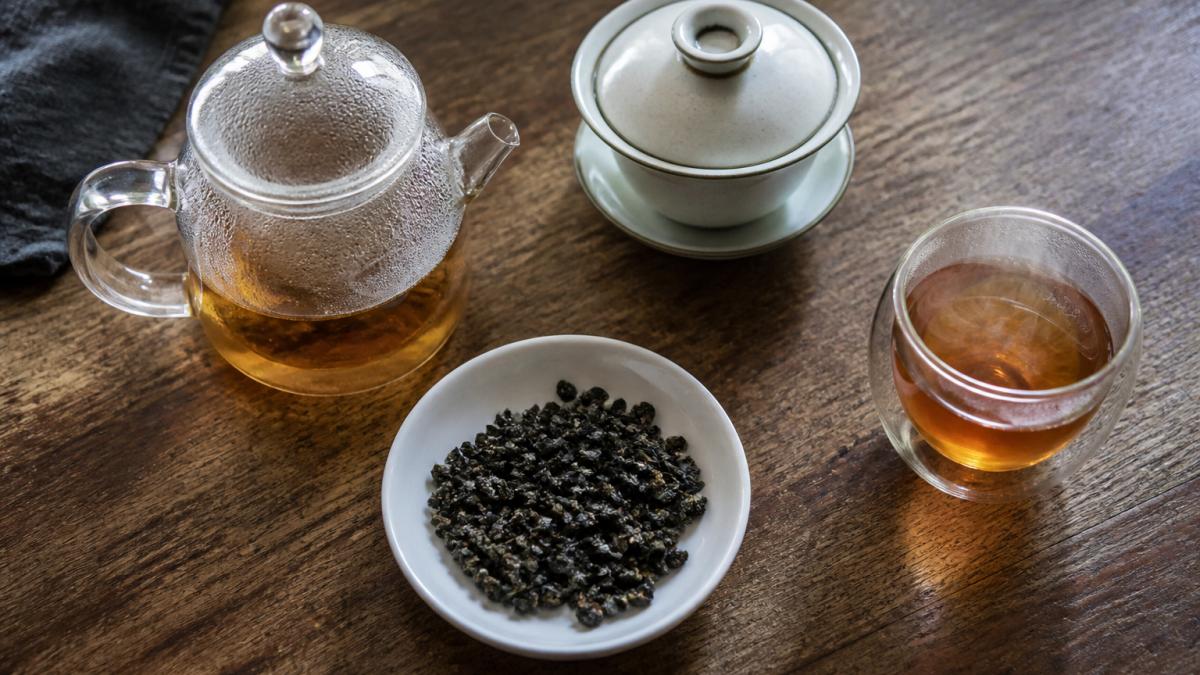
At Cuppari Coffee, we ship freshly roasted coffee and specialty teas, and oolong is one of the most misunderstood teas.
Below, we'll show you exactly how to brew it properly, plus a troubleshooting table for when the cup tastes bitter or weak.
Western Brewing: Simple and Forgiving
Western brewing is the low-effort approach. You use a standard teapot or infuser, roughly one teaspoon of leaf per cup, and a single steep of three to four minutes.
The trade-off is nuance. A long steep pulls out more tannins, so the flavor profile flattens out and bitterness creeps in. You also get one good cup, not five.
Gongfu Style: More Leaf, Less Water, More Control
Gongfu cha means brewing with a high ratio of leaf to water in a small vessel, then re-steeping the same leaves many times. You use far more leaf, far less water, and steeps measured in seconds rather than minutes.
This is the method tea houses use, and it's the best way to taste what a quality oolong can actually do.
What You'll Need Before You Start
The gear list is short, but the choices inside it change the cup more than most guides admit. Here is what actually matters, and why.
- Loose leaf oolong in a sealed, opaque container kept away from light, heat, and strong smells. Oolong is a scented sponge; a bag of coffee beans stored next to it will show up in the cup.
- Filtered water. Chlorine and dissolved minerals mute aroma and can leave a film on the cup. If your tap water tastes flat or chalky, the tea will too.
- A kettle with temperature control, or a kettle plus a thermometer. Oolong lives in a narrow band between 185°F and 205°F, and a rolling boil overshoots it every time.
- A brewing vessel, and the material you pick is a real decision, not a cosmetic one (see below).
- A small digital scale for Gongfu, or measuring spoons for Western brewing. A gram scale is more accurate than a teaspoon, because rolled oolong and twisted-leaf oolong pack very differently.
- A timer. Steep duration matters more than most people think, and a phone timer beats guessing.
Vessel Material: Clay vs. Glass vs. Porcelain
This is the choice most guides skip, and it is the one that quietly shapes every cup.
- Glazed porcelain is neutral. It holds heat reasonably well, does not absorb flavor, and shows the tea exactly as it is. A gaiwan is almost always porcelain for this reason, it is the reference vessel.
- Glass is also neutral and lets you watch the leaves unfurl, which is genuinely useful when you are learning. The trade-off is heat retention: glass sheds temperature faster than porcelain, so your water cools a few degrees sooner.
- Unglazed clay, like a yixing pot, is porous. It absorbs oils from the tea over time and rounds off rough edges, which is wonderful if you brew the same tea in it repeatedly and a problem if you switch teas often, the pot carries the memory of the last tea into the next one.
A practical rule: if you want to taste a tea honestly, use porcelain or glass.
Skip the pre-ground tea bags. Oolong needs room for leaf expansion, and whole leaves unfurl slowly, releasing flavor in layers. A cramped bag flattens that progression into one muddy steep.
Oolong Tea Brewing Temperature: Why 185-205°F Matters
The right oolong tea brewing temperature falls between 185°F and 205°F, and the exact number depends on how oxidized the leaves are. Water that's too hot scorches the leaf and pulls out harsh tannins.
Most oolong sold in the United States is labeled light or dark, which tells you roughly where it sits. If the label doesn't say, look at the leaf color: greener means lower temperature, browner means higher.
Lightly Oxidized Oolongs: Lower End of the Range
Green, floral oolongs like pouchong and many Taiwanese high-mountain styles want water around 185-195°F. These leaves are close to green tea in character. Boiling water flattens their delicate aroma and turns the cup astringent.
Let your kettle sit for two to three minutes after it boils before you pour.
Dark, Heavily Oxidized Oolongs: Near-Boiling Water
Roasted and heavily oxidized oolongs, including many Wuyi and Dong Ding styles, need 195-205°F. These leaves are sturdy and need heat to open up. Near-boiling water brings out their deep, toasty notes.
If your dark oolong tastes thin, the water probably wasn't hot enough.
Steeping Times and Tea-to-Water Ratios for Oolong
The tea-to-water ratio is the single biggest lever you control. Western brewing uses about 1 gram of leaf per 100 ml of water. Gongfu brewing uses roughly 5 to 7 grams per 100 ml, which sounds extreme until you realize each steep lasts only seconds.
Here is how the two methods compare:
| Factor | Western Brewing | Gongfu Style |
|---|---|---|
| Leaf amount | 1 tsp per cup | 5-7 g per 100 ml |
| Water temp | 185-205°F | 185-205°F |
| First steep | 3-4 minutes | 20-45 seconds |
| Re-steeps | 1-2 | 5-8+ |
| Best for | Casual daily cups | Tasting full range |
Why the Ratio Works the Way It Does
Gongfu looks wasteful on paper, five times the leaf, but the math evens out. You are extracting a smaller fraction of the leaf's soluble compounds per steep, so the cup stays balanced instead of tipping into bitterness. Western brewing pulls hard and fast, which is why it gives you one or two good cups and then fades.
Adjusting Steep Time by Oxidation Level
Oxidation changes how fast the leaf gives up its flavor, so the same clock does not fit every oolong.
- Lightly oxidized (green, floral) oolongs release flavor quickly. Start Western steeps at 2-3 minutes and Gongfu steeps at 20-30 seconds. These leaves punish over-steeping faster than any other style.
- Medium-oxidized oolongs sit in the middle. Start Western at 3 minutes and Gongfu at 30-40 seconds.
- Dark, roasted oolongs are the most forgiving. Start Western at 3-4 minutes and Gongfu at 30-45 seconds, and do not be afraid to push the temperature to the top of the range.
For Western brewing, start at three minutes and adjust from there. For Gongfu, start at 30 seconds and add 5-10 seconds to each following steep. Small changes make a big difference, so keep notes.
Sensory Cues for Adjusting Mid-Session
Do not rely on the clock alone. Taste and smell tell you more than a timer does:
- If the first steep tastes sharp or drying, your water was too hot or your steep ran long. Drop the temperature about 10°F and shave 5-10 seconds off the next one.
- If the cup tastes thin or watery, you either used too little leaf or your water was too cool. Add leaf before you add time, more time on a weak brew just extracts bitterness.
- If the aroma fades by the third steep, your early steeps were too long. Shorten the first two and the later ones will hold up.
- If the leaves still smell sweet and fragrant, there is more to give. Keep going.
How Many Times Can You Steep Oolong Tea?
You can typically steep oolong tea five to eight times using the Gongfu method, and one to two times with Western brewing. Rolled oolongs usually last longer than twisted-leaf styles, since the compressed leaf releases flavor more slowly.
The number isn't fixed. It depends on leaf quality, how much leaf you used, and how hot your water was.
Reading the Leaves: Visual Cues for When to Stop
Watch the leaves, not just the clock. A good oolong unfurls gradually, and the visual cues tell you plenty:
- Tightly rolled balls mean the leaf hasn't opened yet; keep steeping
- Fully spread leaves mean you're near the end
- Pale, flat color in the leaf means the flavor is spent
- Fragrant, glossy leaves mean there's more to give
When the leaves look like wet spinach and the aroma fades, stop. Pushing past that point only adds bitterness.
Gongfu Style Brewing: A Step-by-Step Walkthrough
Gongfu style brewing is a rhythm more than a recipe. Follow these steps and adjust as you go.
- Warm the vessel. Pour hot water into your gaiwan or small pot, swirl, and dump it out. A warm vessel holds temperature steady.
- Measure the leaf. Use 5 to 7 grams per 100 ml of water. More leaf, less water is the whole idea.
- Rinse the leaves. Pour hot water over them and immediately discard it. This wakes the leaf and washes off dust.
- Steep the first infusion. Pour water at 185-205°F and steep for 20-45 seconds.
- Pour it all out. Empty the vessel completely. Leaving water behind makes the next steep bitter.
- Re-steep. Add 5-10 seconds to each following steep. Taste as you go.
- Stop when the leaf flattens. Usually around steep five to eight.
A full Gongfu session takes 20 to 30 minutes and yields many small cups. It sounds fussy. In practice, it's just paying attention.
Troubleshooting Bitter, Weak, or Astringent Oolong
Most oolong problems trace back to three things: water temperature, steep duration, or leaf amount. Here's how to diagnose and fix each one.
| Problem | Likely Cause | Fix |
|---|---|---|
| Bitter | Water too hot, steep too long | Drop temp 10°F, cut steep time |
| Weak | Too little leaf, water too cool | Add leaf, raise temperature |
| Astringent | Over-steeped, poor water | Shorten steep, use filtered water |
| Flat aroma | Stale leaf, hard water | Buy fresher leaf, switch water |
| Thin after 2 steeps | Steeps too long early | Shorten first steeps |
Vessel Material, Water Quality, and Caffeine: What Actually Changes the Cup
Vessel material changes the cup more than most guides admit. Glazed porcelain and glass are neutral, so they show the tea exactly as it is.
Water quality matters just as much. According to the EPA's guidance on drinking water quality, dissolved minerals and treatment chemicals vary widely by source. Hard water mutes aroma and can leave a film on the cup, so filtered water is worth the small effort. The FDA's guidance on tea and caffeine notes that caffeine levels in tea vary by leaf and steep time, which explains why a long-steeped oolong can feel stronger than a short one.
Caffeine content shifts with oxidation and brewing. Darker, longer-steeped oolongs tend to deliver more caffeine per cup, while a quick first steep in Gongfu style delivers less.
For the freshest leaf, buy from a source that ships quickly and seals its packaging.
Frequently Asked Questions
What is the ideal water temperature for brewing oolong?
Oolong tea brewing temperature depends on oxidation level. Lightly oxidized oolongs like bao zhong or tieguanyin brew best at 185-195°F. Darker, roasted oolongs such as da hong pao or dong ding need 195-205°F. Water that is too hot pulls out astringency and bitterness from the tannins; water that is too cool leaves the leaves unfurled and the flavor flat. Use a variable-temperature kettle or let boiling water rest for 1-3 minutes.
How many times can you re-steep loose leaf oolong tea?
Most loose leaf oolongs give 4-8 quality infusions when brewed gongfu style, with each steep adding 5-10 seconds. Ball-rolled oolongs like tieguanyin often last longer than strip-style leaves because they unfurl slowly. Western-style brewing with a larger volume of water typically yields 2-3 good steeps. Stop when the aroma fades and the liquor turns pale, that is your signal the leaves are spent.
What are common mistakes when brewing loose leaf oolong tea?
The most frequent errors are using boiling water on delicate oolongs, under-leafing (too little tea for the water volume), and steeping too long on the first infusion. Another common mistake is reusing old, stale leaves that have lost their aroma. Use filtered water, weigh your leaves with a small scale rather than eyeballing, and keep first steeps short. If the cup tastes bitter, cut your next steep time by 15-30 seconds.
Does oolong tea contain caffeine, and does the brewing method change it?
Oolong contains caffeine, typically 30-50 mg per 8 oz cup depending on leaf quantity, water temperature, and steep duration. Longer steeps and hotter water extract more caffeine. Gongfu style uses more leaf per ounce of water but shorter contact time, so caffeine per serving can be similar to western brewing. If you are caffeine-sensitive, use shorter steeps, lower water temperature, or try a cold brew of oolong overnight in the refrigerator.
Brewing oolong well isn't about expensive gear. It's about matching water temperature to the leaf, keeping steeps short, and tasting as you go. Cuppari Coffee delivers freshly roasted coffee and specialty teas with free shipping on all U.S. orders, roasted and shipped the same day your order is placed. Get started with Cuppari Coffee and taste what fresh, properly brewed tea actually delivers.