

Table of Contents
- Why Coffee Drinkers Switch From Peet's
- Best Dark Roast Coffee Beans Beyond Peet's
-
10 Peet's Coffee Alternatives Ranked
- 1. Cuppari Coffee: Freshly Roasted to Order
- 2. Death Wish Coffee: Maximum Caffeine Content
- 3. Blue Bottle Coffee: Premium Single Origins
- 4. Intelligentsia Coffee: Direct Trade Ethics
- 5. La Colombe Coffee Roasters: Balanced Quality
- 6. Counter Culture Coffee: Sustainability Focus
- 7. Bulletproof Coffee: Clean Coffee for Health
- 8. Four Sigmatic Mushroom Coffee: Functional Blend
- 9. Stumptown Coffee Roasters: Direct Trade Quality
- Freshly Roasted Coffee Delivery: Why It Matters
- How to Choose Fresh Coffee Beans That Match Your Taste
- Subscription vs. One-Time Purchase: What Fits Your Routine
- Conclusion
Last Updated: August 28, 2026
Why Coffee Drinkers Switch From Peet's
Coffee lovers abandon their usual brands when they discover fresher beans, more ethical sourcing, unique flavor profiles, and delivery models that guarantee quality. The real catalyst is realizing that freshness matters more than brand loyalty. When beans sit on store shelves for weeks, even premium roasters lose their edge. At Cuppari Coffee, customers who try freshly roasted coffee delivered the day it's roasted rarely go back to retail options.
Beyond freshness, many drinkers want transparency: roast dates, bean origins, and farmer treatment. Some seek functional benefits, adaptogens, reduced caffeine jitters, or toxin-tested coffee. Others prioritize sustainability or direct trade relationships. Peet's serves a broad market but doesn't specialize. Alternatives do.
The nine options below represent different philosophies: maximum freshness, extreme caffeine content, premium single origins, ethical sourcing, balanced quality, sustainability, health-focused blends, functional mushroom combinations, and direct trade transparency.
Best Dark Roast Coffee Beans Beyond Peet's
Dark roast remains the most popular coffee style in the U.S., delivering bold flavor, lower acidity, and full-bodied mouthfeel (peer-reviewed research). But roast date matters enormously. A dark roast from six weeks ago tastes flat and bitter. A dark roast roasted three days ago tastes rich, complex, and alive.
The best dark roast alternatives share common traits: they're roasted to order or within days of shipment, they emphasize specific tasting notes rather than generic labels, and they source beans with intention. A three-day-old dark roast from a skilled roaster outperforms a three-week-old dark roast from any brand, including Peet's.
10 Peet's Coffee Alternatives Ranked
1. Cuppari Coffee: Freshly Roasted to Order
Cuppari Coffee operates on a principle that redefines freshness: beans are roasted only after an order is placed, then shipped the same day. Every bag arrives at your door within days of roasting, during the optimal window when flavor compounds are at their peak.
The selection spans single origin coffees, blends, flavored options, and convenient coffee pods. What separates Cuppari from other roasters is guaranteed freshness combined with free shipping on all U.S. orders. The sealed capsule design with no oxygen inside preserves freshness longer than typical bags.
Pros:
- Roasted to order, shipped same day, guaranteed maximum freshness
- Free shipping on all U.S. orders
- Diverse selection: single origins, blends, flavored, and pods
- Sealed capsules maintain freshness longer than standard packaging
Cons:
- Requires ordering in advance rather than grabbing from a shelf
- Subscription model details require checking the website for flexibility options
2. Death Wish Coffee: Maximum Caffeine Content
Death Wish Coffee targets people who want serious caffeine, claiming to offer the world's strongest coffee. Available in dark roast, medium roast, and espresso roast formats, whole bean, ground, or single-serve pods, all carry organic and Fair Trade certifications.
Compared to Peet's, Death Wish is significantly more aggressive, prioritizing intensity over refinement. This works perfectly for long workdays, early mornings, or anyone with built-up caffeine tolerance.
Pros:
- Extremely high caffeine content delivers genuine energy
- Organic and Fair Trade certifications
- Multiple formats suit different brewing preferences
- Consistent quality and reliable strength
Cons:
- High caffeine content may cause jitters in sensitive individuals
- Flavor intensity might overwhelm those who prefer milder profiles
- Less suitable for afternoon or evening consumption
3. Blue Bottle Coffee: Premium Single Origins
Blue Bottle Coffee meticulously sources single-origin beans and roasts them with precision. An Ethiopian single origin tastes distinctly different from a Colombian one, and Blue Bottle highlights those differences rather than smoothing them into a generic category.
Subscription services provide regular delivery, solving the freshness problem for committed enthusiasts. The pricing reflects quality and sourcing standards, positioning Blue Bottle as premium rather than everyday budget.
Pros:
- Reputation for exceptional quality and ethical sourcing
- Wide range of roast profiles and single-origin options
- Subscription service ensures consistent fresh delivery
- Detailed tasting notes and origin information educate consumers
Cons:
- Premium pricing significantly exceeds mainstream brands like Peet's
- Limited flavored coffee options; focus on natural bean profiles
- Not ideal for budget-conscious daily drinkers
4. Intelligentsia Coffee: Direct Trade Ethics
Intelligentsia Coffee pioneered the Direct Trade model, building relationships directly with coffee farmers rather than working through commodity markets (peer-reviewed research). This ensures farmers receive fair compensation and quality improves through direct feedback.
The coffee selection includes diverse single-origin options and signature blends with detailed tasting notes. Multiple formats accommodate different brewing preferences. For consumers who care deeply about farmer welfare, Intelligentsia delivers on both fronts.
Pros:
- Strong Direct Trade commitment ensures ethical sourcing and farmer welfare
- Wide selection of unique, complex flavor profiles
- Multiple formats support various brewing methods
- Educational resources help consumers understand coffee quality
Cons:
- Higher price point than conventional brands
- Some unique flavor profiles might not appeal to all palates
- Requires some knowledge to select among options effectively
5. La Colombe Coffee Roasters: Balanced Quality
La Colombe strikes a middle ground between specialty coffee rigor and accessibility. The brand roasts quality beans to multiple levels, offers both traditional and ready-to-drink formats, and maintains consistent quality without premium pricing that excludes casual drinkers.
The roster includes single-origin and blended options, K-Cup pods, espresso capsules, and the brand's popular Draft Latte ready-to-drink beverage. La Colombe bridges the gap between Peet's and specialty roasters, providing a natural stepping stone for customers ready to upgrade beyond grocery store coffee.
Pros:
- Balanced approach: quality coffee without extreme specialty pricing
- Strong presence in both whole bean and convenient ready-to-drink formats
- Flexible subscriptions with reasonable starting prices
- Variety of roast levels and flavor profiles
Cons:
- Ready-to-drink products cost more than brewing at home
- Some unique blends may have limited availability
- Less emphasis on single-origin transparency than pure specialty roasters
6. Counter Culture Coffee: Sustainability Focus
Counter Culture Coffee prioritizes environmental and social responsibility as deeply as coffee quality. The brand sources through direct relationships, roasts with sustainability in mind, and invests significantly in educational programs.
The coffee selection rotates seasonally, offering year-round blends alongside limited-edition single origins. For environmentally conscious coffee lovers, the alignment between values and purchasing decision matters deeply. Counter Culture delivers that alignment authentically.
Pros:
- Strong commitment to environmental and social responsibility
- Unique, seasonal coffee selections
- Valuable educational resources and professional training
- Transparent sourcing and sustainability practices
Cons:
- Focuses on whole bean only; requires a grinder
- Higher price reflects values-based sourcing
- Requires more coffee knowledge and engagement
7. Bulletproof Coffee: Clean Coffee for Health
Bulletproof Coffee targets health-conscious consumers. The beans are tested for mycotoxins (mold toxins), a concern for people who believe toxin exposure contributes to health problems. Available in multiple roast levels and formats: ground, whole bean, and instant.
The brand's philosophy pairs coffee with healthy fats, typically MCT oil and grass-fed butter. For followers of this approach, Bulletproof Coffee provides a clean, tested foundation.
Pros:
- Rigorous testing for mold toxins appeals to health-focused consumers
- Multiple roast levels suit different preferences
- Subscription options available for convenience
- Available in various formats (ground, whole bean, instant)
Cons:
- Premium pricing exceeds conventional brands
- Health claims may not resonate with all consumers
- The "Bulletproof" concept feels niche
8. Four Sigmatic Mushroom Coffee: Functional Blend
Four Sigmatic combines organic coffee with functional mushroom extracts, typically Lion's Mane and Chaga, aiming to provide sustained energy and mental focus without jitters or crashes. Available as instant packets, ground coffee, and pods with organic and Fair Trade certifications.
For consumers exploring adaptogens or seeking cognitive support, Four Sigmatic offers an accessible entry point.
Pros:
- Offers cognitive and energy benefits beyond traditional coffee
- Organic and Fair Trade certified ingredients
- Convenient instant and ground formats
- Appeals to consumers interested in functional nutrition
Cons:
- Higher price than regular coffee due to functional ingredients
- Mushroom taste may not appeal to everyone
- Functional benefits are subjective and not universally experienced
9. Stumptown Coffee Roasters: Direct Trade Quality
Stumptown Coffee Roasters built its reputation on Direct Trade sourcing, meticulous roasting, and distinctive coffee profiles. The brand emphasizes transparency, providing detailed information about each coffee's origin, roasting date, and tasting notes.
The selection includes single-origin coffees, signature blends, cold brew concentrate, and espresso formats. For customers who've outgrown generic dark roasts and want to explore coffee seriously, Stumptown provides both quality and education.
Pros:
- Strong Direct Trade commitment ensures ethical sourcing
- Wide array of distinct, high-quality coffees
- Detailed tasting notes and roast information guide selection
- Consistent quality and fresh roasting
Cons:
- Premium pricing exceeds mainstream brands
- Primarily unflavored coffees; limited flavored options
- More expensive than Peet's across most product lines
Freshly Roasted Coffee Delivery: Why It Matters
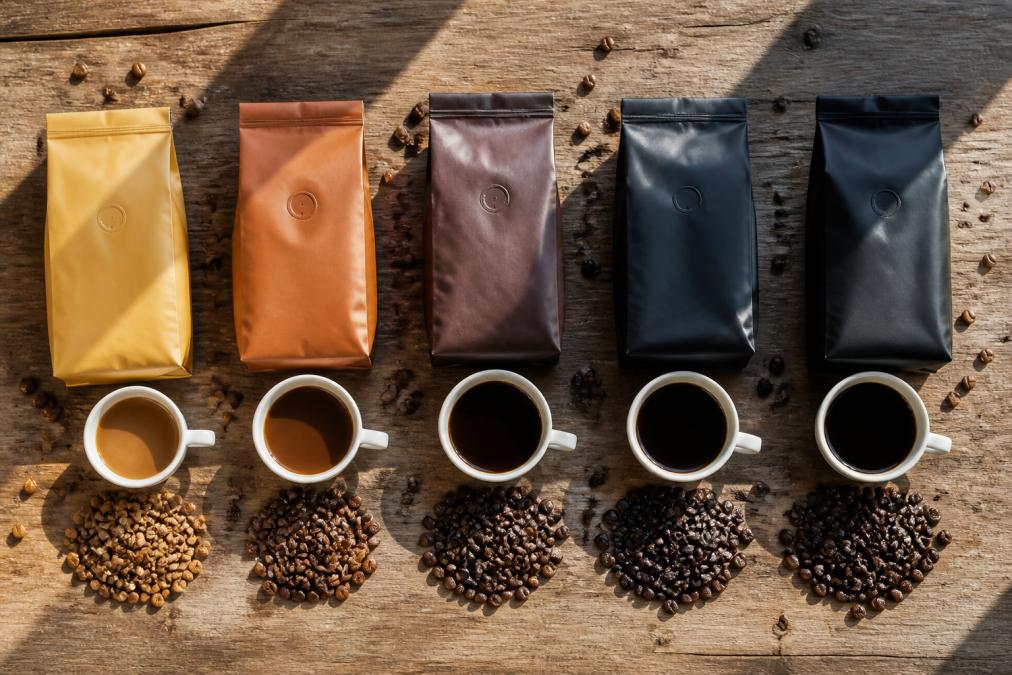
Freshness is the single most important variable in coffee quality, and it's the variable that traditional retail completely fails to control. When coffee sits on a grocery store shelf for three weeks, flavor compounds oxidize, aroma fades, and the cup becomes flat and one-dimensional.
The optimal freshness window is 3-7 days after roasting (peer-reviewed research). During this period, CO2 release from the beans creates crema in espresso and enhances extraction in drip brewing. After two weeks, the coffee is noticeably diminished. After a month, even premium beans taste stale.
Direct-to-consumer delivery solves this problem by eliminating retail shelf time. When a roaster ships coffee the day it's roasted, it arrives at your door during peak flavor. This model also enables customization and allows roasters to respond to customer feedback. For customers accustomed to buying coffee at Peet's, the difference in freshness is immediately apparent.
How to Choose Fresh Coffee Beans That Match Your Taste
Selecting fresh coffee beans requires understanding three variables: flavor profile and roast level, roast date and freshness window, and brewing method compatibility.
Flavor Profile and Roast Level
Flavor profile describes the tasting notes in a coffee: chocolate, nuts, fruit, flowers, spice, acidity level, and body. Roast level influences these notes significantly. A light roast emphasizes the bean's origin characteristics; a light-roasted Ethiopian tastes bright and fruity. The same bean roasted dark becomes bold and chocolatey.
Start by identifying what you actually enjoy drinking. Do you prefer bright, acidic coffee with pronounced fruit notes? Choose light to medium roasts from African or Central American origins. Do you prefer bold, low-acidity coffee with chocolate and nut notes? Choose dark roasts from South American or Indonesian origins. Read tasting notes carefully to know exactly what to expect.
Roast Date and Freshness Window
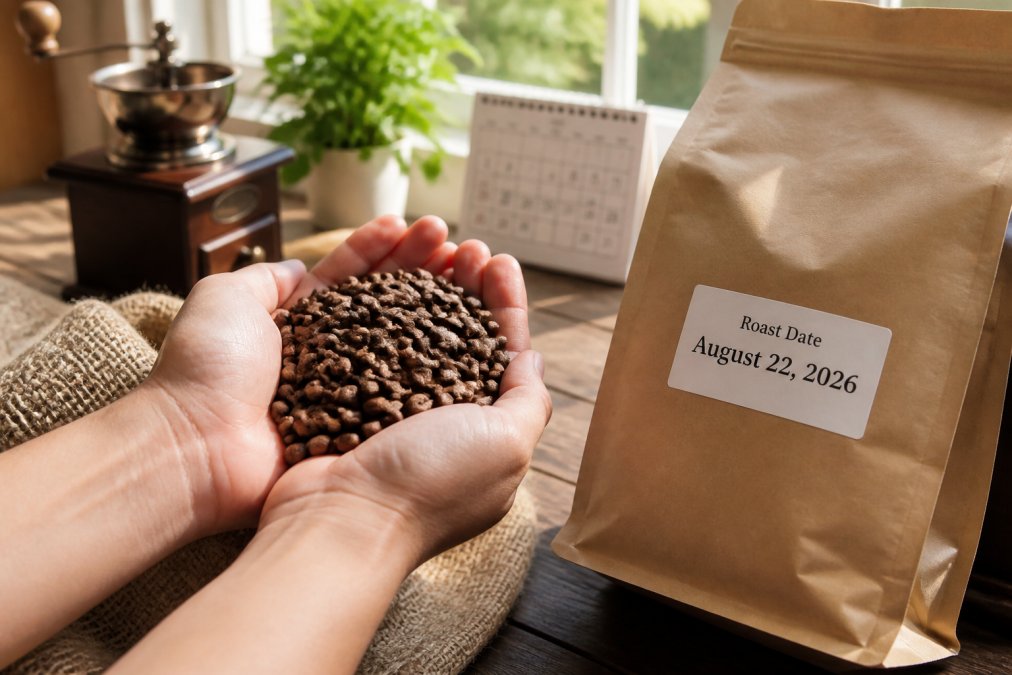
Roast date is the single most important information on a coffee bag. It's more important than the origin, the roaster's reputation, or the price. Check the roast date before purchasing. Ideally, the coffee was roasted within the past week.
Plan your consumption around the freshness window. Coffee is optimal 3-7 days after roasting and still good from days 7-21. After three weeks, quality noticeably declines. Buy quantities you'll consume within this window rather than stockpiling.
Brewing Method Compatibility
Brewing method influences which coffees work best. Espresso demands precise grind size, extraction pressure, and timing; choose coffees specifically roasted for espresso. French press brewing extracts coffee oils, so medium to dark roasts work better than light roasts. Pour-over brewing demands consistent grind and technique; medium roasts offer good balance between complexity and forgivability.
Subscription vs. One-Time Purchase: What Fits Your Routine
Both subscription and one-time purchase models have legitimate advantages. The right choice depends on your consumption patterns, storage capacity, and preference for predictability.
Subscription services guarantee regular delivery of fresh coffee. You set frequency, weekly, biweekly, monthly, and coffee arrives on schedule. Many roasters offer subscription discounts, reducing per-bag costs. The downside is commitment; if you travel or reduce consumption, you may accumulate surplus coffee.
One-time purchases offer maximum flexibility. Buy when you need coffee, in quantities that match your consumption. This works well for people with variable routines, limited storage space, or those still exploring different roasters. The downside is paying full price per bag and remembering to reorder before running out.
Most coffee drinkers benefit from a hybrid approach: subscribe to a favorite roaster for everyday coffee, then make one-time purchases from other roasters to explore new profiles and origins. Consider your storage conditions. Coffee stays fresh longest in airtight containers away from heat, light, and moisture.
Choosing a Peet's coffee alternative means prioritizing what matters most to you: freshness, ethics, health benefits, flavor complexity, or convenience. Each option in this guide addresses different priorities. But if freshness is your primary concern, and for most coffee lovers it should be, Cuppari Coffee's roast-to-order model with same-day shipping eliminates the compromise between quality and convenience. You get genuinely fresh coffee delivered to your door, with free shipping on all U.S. orders. The difference in flavor is immediate and undeniable. Experience the goodness of freshly roasted coffee beans by exploring Cuppari's diverse selection of single origins, blends, flavored options, and convenient pods. Add to cart and discover why fresh matters.
Frequently Asked Questions
What kind of coffee tastes like Peet's?
Peet's is known for bold, dark roast coffee with earthy, bitter notes and low acidity. Alternatives that replicate this profile include Death Wish Coffee for intense caffeine and boldness, Stumptown Coffee Roasters for well-developed dark roasts with complexity, and Cuppari Coffee's dark roast blends, which deliver similar body and depth. The key is looking for coffees labeled as dark roast or espresso roast with tasting notes mentioning chocolate, earth, or bitterness rather than fruity or floral notes.
Is freshly roasted coffee better than store-bought brands?
Freshly roasted coffee delivers noticeably better flavor within 3-7 days of roasting. Store-bought brands like Peet's may sit on shelves for weeks or months, losing volatile aromatics and developing stale, flat flavors. Freshly roasted options like Cuppari Coffee, roasted and shipped the same day, preserve the full range of tasting notes, body, and aroma. The difference is most apparent in single-origin coffees, where subtle flavor notes fade quickly after roasting.
What makes a high-quality dark roast coffee?
High-quality dark roast coffee combines ethically sourced beans with precise roasting that develops deep, complex flavors without burning. Look for coffees with a clear roast date, detailed tasting notes (chocolate, caramel, nuts), and information about origin or processing method. Brands like Counter Culture Coffee and Intelligentsia emphasize direct trade relationships and transparency. The coffee should have balanced bitterness with some sweetness and clean aftertaste, not harsh or ashy flavors.
How do I know if coffee is actually fresh when ordering online?
Check the roast date on the bag, it should be within 1-2 weeks of your purchase for optimal freshness. Roast-to-order services like Cuppari Coffee guarantee freshness by roasting only after you order and shipping the same day. Look for vacuum-sealed bags or nitrogen-flushed packaging that prevents oxygen exposure. Reputable roasters also provide detailed tasting notes and brewing recommendations, which indicates they're paying attention to quality throughout the process.
Should I buy whole bean or ground coffee?
Whole bean coffee stays fresh longer because grinding exposes more surface area to oxygen, causing flavor to fade within hours. If you have a grinder, whole bean is the better choice for maximum freshness and flavor control. Pre-ground coffee is convenient for quick brewing but sacrifices some complexity and aroma. Many specialty roasters, including Cuppari Coffee, offer both options, allowing you to choose based on your brewing method and schedule.
This article was written using GrandRanker