

Table of Contents
- What Is the Best Coffee Roast? Understanding the Core Differences
- Coffee Roast Flavor Profile Chart: From Light to Dark
- Light vs. Dark Roast Caffeine Content: What the Science Actually Says
- Best Coffee Roast for French Press and Other Brewing Methods
- Troubleshooting by Flavor Profile: Fix Your Cup Based on Taste
- Budget-Friendly vs. Pro-Sumer Gear: Grind Size, Scales, and Burr Grinders
- Top Coffee Roast Picks: What Is the Best Coffee Roast for Your Lifestyle?
- Conclusion
Last Updated: May 21, 2026
Figuring out what is the best coffee roast is one of those questions that sounds simple until you actually start digging into it. At Cuppari Coffee, we roast every order fresh and ship the same day, which means we've spent years watching how roast level interacts with freshness, brewing method, and personal taste. The short answer: there is no single "best" roast. The right answer depends on your brewing method, flavor preferences, and how you treat the beans between the roaster and your cup. Below, we'll show you exactly how to match roast level to your lifestyle, fix common taste problems, and choose gear that doesn't waste your money.
Here's what most guides get wrong: they treat roast level as the primary variable. It isn't. Freshness, grind consistency, water quality, and brew ratio all matter more than whether you chose a light or dark roast. Once you understand that, the whole question of what is the best coffee roast becomes much easier to answer.
What Is the Best Coffee Roast? Understanding the Core Differences
A coffee roast level is a measure of how long and at what temperature green coffee beans are exposed to heat during the roasting process, which directly determines the flavor, acidity, body, and aromatic compounds in your final cup. Light roasts are pulled early, preserving origin-forward fruitiness and high acidity. Dark roasts are taken further, developing bold bitterness, low acidity, and a full body driven by roast character rather than bean origin.
The spectrum runs from light to medium to dark, with dozens of named stops along the way: City, Full City, French, Italian. What matters practically is that each roast level extracts differently, behaves differently in your grinder, and pairs better with certain brewing methods.
How Roast Level Transforms the Bean
Roasting triggers the Maillard reaction and caramelization, breaking down sugars and acids while creating new flavor compounds. Light roasts retain more of the bean's original sugars and chlorogenic acids, producing bright, complex cups with floral or fruity notes. Dark roasts break those acids down further, creating melanoidins that deliver bitterness and a heavier mouthfeel.
One thing most guides skip: darker beans are physically more porous and oily, which means they go stale faster once ground. If you're buying pre-ground dark roast and storing it in a paper bag, you're losing most of what makes dark roast appealing before the water even touches it.
Why Freshness Matters More Than Roast Level
Roasted coffee undergoes degassing, releasing CO2 for several days after roasting. Brewing during peak degassing produces uneven extraction. Brewing stale coffee that has fully off-gassed produces flat, lifeless cups. The ideal window sits between 5 and 21 days post-roast for most whole bean coffees.
This is where roast-to-order models make a measurable difference. Cuppari Coffee roasts beans only after an order is placed and ships the same day, meaning your beans arrive within their optimal degassing window rather than sitting in a warehouse or on a shelf. Most grocery store coffee is weeks or months past its roast date by the time it reaches you, regardless of roast level.
Coffee Roast Flavor Profile Chart: From Light to Dark
The flavor profile of a coffee roast is determined by roast temperature, duration, and the bean's origin characteristics, which interact to produce distinct taste signatures across the light-to-dark spectrum. But a table alone does not tell you why those flavors appear, how to recognize when your brewing is suppressing them, or how to adjust when the cup does not match what the bag promised.
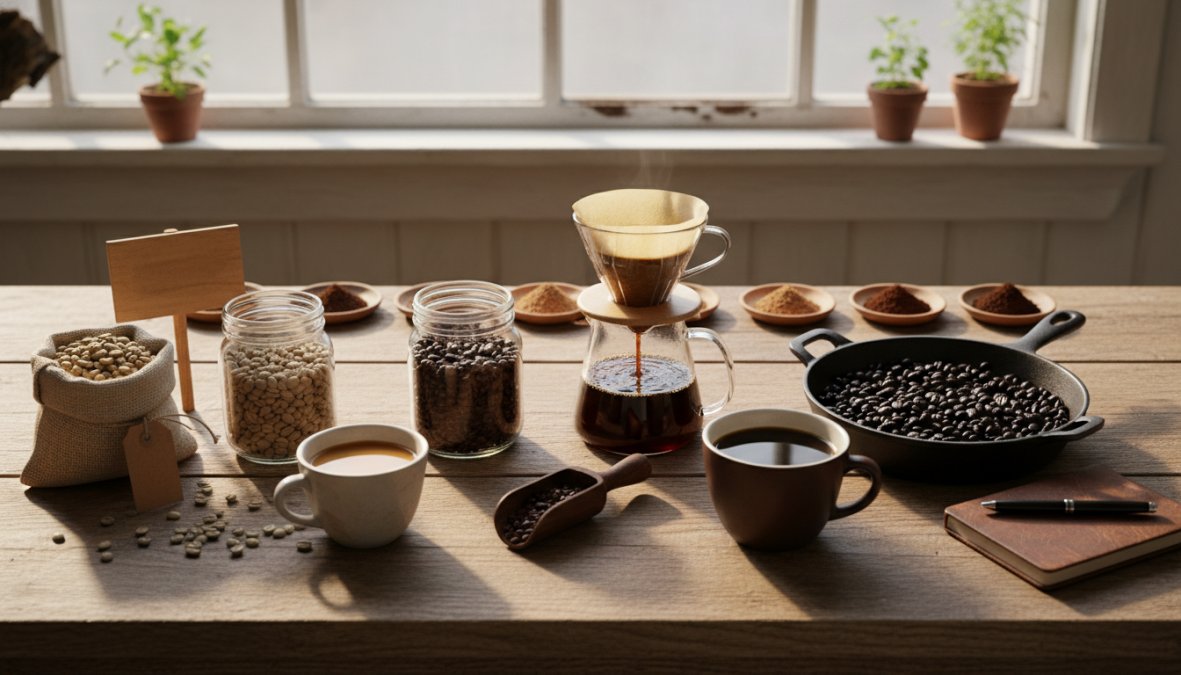
| Roast Level | Acidity | Body | Flavor Notes | Best Brewing Method |
|---|---|---|---|---|
| Light | High | Light | Floral, citrus, berry, tea-like | Pour over, AeroPress |
| Medium-Light | Medium-High | Light-Medium | Caramel, stone fruit, hazelnut | Pour over, drip |
| Medium | Medium | Medium | Chocolate, nuts, caramel, mild fruit | Drip, French press |
| Medium-Dark | Low-Medium | Full | Caramel, dark chocolate, smokiness | French press, espresso |
| Dark | Low | Full | Bittersweet chocolate, smoke, roast | Espresso, moka pot |
Why These Flavors Appear: The Chemistry in Plain Language
Two reactions drive most of what you taste in roasted coffee:
Maillard reaction: Begins around 300°F (149°C) and accelerates as roasting progresses. Amino acids and reducing sugars react to form hundreds of new flavor compounds, including the nutty, caramel, and chocolate notes associated with medium roasts. This is the same reaction responsible for the crust on bread or the sear on meat.
Caramelization: Sugars break down at higher temperatures, producing bittersweet, toffee, and dark caramel flavors. In light roasts, caramelization is incomplete, leaving more residual sweetness and fruit-forward character. In dark roasts, sugars are largely degraded, and the dominant flavors shift toward roast-derived bitterness and smokiness.
Chlorogenic acid degradation: Green coffee is high in chlorogenic acids, which contribute to perceived brightness and some of the sharper acidity in light roasts. As roasting progresses, these acids break down into quinic acid and caffeic acid, compounds associated with the harsher, drying bitterness in over-roasted or over-extracted dark coffee. This is why dark roast has lower acidity but can still taste harsh if brewed incorrectly.
Reading Your Cup: When the Flavor Profile Does Not Match the Bag
This is the angle most flavor charts skip entirely. Knowing what a roast should taste like is only useful if you can diagnose why your cup tastes different. Here is how to connect flavor profile to brewing diagnosis:
Light roast tastes sour or sharp instead of fruity and floral: This is under-extraction. The bright acids extracted first, but the sweetness and complexity did not follow. Fix: grind finer, raise water temperature (light roasts benefit from water closer to 205°F/96°C), or extend your bloom time. The fruity notes in a light roast are not automatic, they require sufficient extraction to develop.
Medium roast tastes flat or one-dimensional instead of balanced and sweet: Usually a freshness problem or a temperature problem. Medium roast's sweetness depends on Maillard-derived compounds that are volatile and degrade with age. If your bag is more than three to four weeks past roast date, those notes are already fading. Alternatively, many home drip machines run 10-15°F below the ideal 195-205°F range, which under-extracts the sweetness and leaves a thin, slightly sour cup.
Dark roast tastes burnt or harshly bitter instead of rich and chocolatey: Two possible causes. First, the beans may genuinely be over-roasted, a roast taken past the second crack into carbonization territory loses the bittersweet complexity and becomes one-dimensionally acrid. Second, and more commonly, the beans are stale. Dark roast beans are porous and oily; the oils on the surface oxidize quickly once the bag is opened, producing rancid, ashy bitterness that has nothing to do with the roast itself. Buy whole bean, grind immediately before brewing, and use dark roast within two to three weeks of opening the bag.
Medium-dark roast tastes thin in French press but rich in espresso: This is a method mismatch, not a roast problem. French press is an immersion method that relies on contact time and grind size to build body. If your grind is too coarse or your steep time too short, even a full-bodied medium-dark roast will taste thin. Aim for a four-minute steep minimum and a grind coarser than drip but not so coarse that the water passes through without resistance.
The Origin Factor: Why the Same Roast Level Tastes Different Across Regions
Roast level interacts with bean origin in ways the table above cannot fully capture. A light roast Ethiopian Yirgacheffe and a light roast Brazilian natural process are both 'light roast,' but they taste almost nothing alike. The Ethiopian will lean toward jasmine, bergamot, and bright lemon. The Brazilian will lean toward strawberry, milk chocolate, and low acidity even at light roast, because the natural processing method (drying the cherry around the bean) adds fruit-forward fermentation notes that persist through roasting.
This matters when you are troubleshooting. If you brew a light roast and find it too sour, the fix may be grind size, or it may be that the specific origin is genuinely high-acid and a medium roast of the same bean would suit your palate better. The flavor chart is a starting point, not a guarantee.
Light vs. Dark Roast Caffeine Content: What the Science Actually Says
The caffeine difference between light and dark roast is one of the most repeated myths in coffee, and most guides stop at the same surface-level correction: 'it depends on whether you measure by weight or volume.' That is true but incomplete. Here is the fuller picture, including the variables that actually move the needle on caffeine in your cup.
Why Roasting Barely Changes Caffeine
Caffeine is a thermally stable alkaloid. It does not degrade meaningfully at the temperatures used in commercial roasting, which typically peak between 370°F and 430°F (188°C-221°C). What roasting does change is the physical structure of the bean: moisture evaporates, the bean expands, and density drops. A light roast bean retains more moisture and is denser. A dark roast bean has lost more mass to evaporation and is physically larger but lighter.
This creates the measurement paradox most guides mention:
- By weight: Light roast delivers slightly more caffeine per gram because the beans are denser and you are getting more actual bean material per gram measured.
- By volume (scoops): Dark roast may deliver slightly more caffeine per scoop because the larger, less dense beans pack more loosely, meaning more beans fit into a scoop by count.
In practice, the difference is small, generally within 5-10% between roast levels of the same bean. It is unlikely to be perceptible in your daily cup.
The Variables That Actually Change Your Caffeine Intake
If caffeine is a priority, these factors matter far more than roast level:
1. Bean species (Arabica vs. Robusta) Robusta beans contain roughly twice the caffeine of Arabica beans, typically around 2.7% caffeine by dry weight versus approximately 1.5% for Arabica. This is a documented, consistent difference across the coffee industry. A dark roast Arabica will almost always contain less caffeine than a light roast Robusta. If you are buying specialty single-origin coffee, it is almost certainly Arabica. If you are buying a supermarket espresso blend or instant coffee, it likely contains Robusta.
2. Brew ratio The amount of coffee you use relative to water is the most controllable caffeine variable in your daily routine. Brewing at a 1:12 ratio (coffee to water by weight) versus a 1:17 ratio produces a meaningfully stronger cup in both flavor and caffeine concentration. Roast level does not change this math.
3. Brew method and contact time Immersion methods like French press and cold brew extract caffeine over longer contact times. A 12-24 hour cold brew concentrate can contain significantly more caffeine per ounce than a standard drip cup, regardless of roast. Espresso is concentrated but served in small volumes, so total caffeine per serving is often comparable to a standard 8 oz drip cup, not dramatically higher.
4. Grind size Finer grinds expose more surface area, increasing extraction efficiency, including caffeine extraction. This is one reason espresso, which uses a very fine grind and pressure, extracts efficiently in a short time window.
What This Means Practically
If you want more caffeine:
- Choose a blend with Robusta content, or ask your roaster about species composition
- Increase your brew ratio (more coffee per gram of water)
- Use a finer grind for your method
- Consider cold brew concentrate for high-caffeine applications
If you want consistent caffeine day to day:
- Weigh your coffee on a scale rather than scooping
- Use the same brew ratio every time
- Buy from the same roaster and the same blend so species composition stays constant
One practical note on freshness and caffeine: stale coffee does not lose meaningful caffeine, but it does lose the aromatic compounds that make caffeine delivery feel satisfying. A flat, stale cup may feel less effective simply because the sensory experience is diminished, not because the caffeine content has dropped.
Best Coffee Roast for French Press and Other Brewing Methods
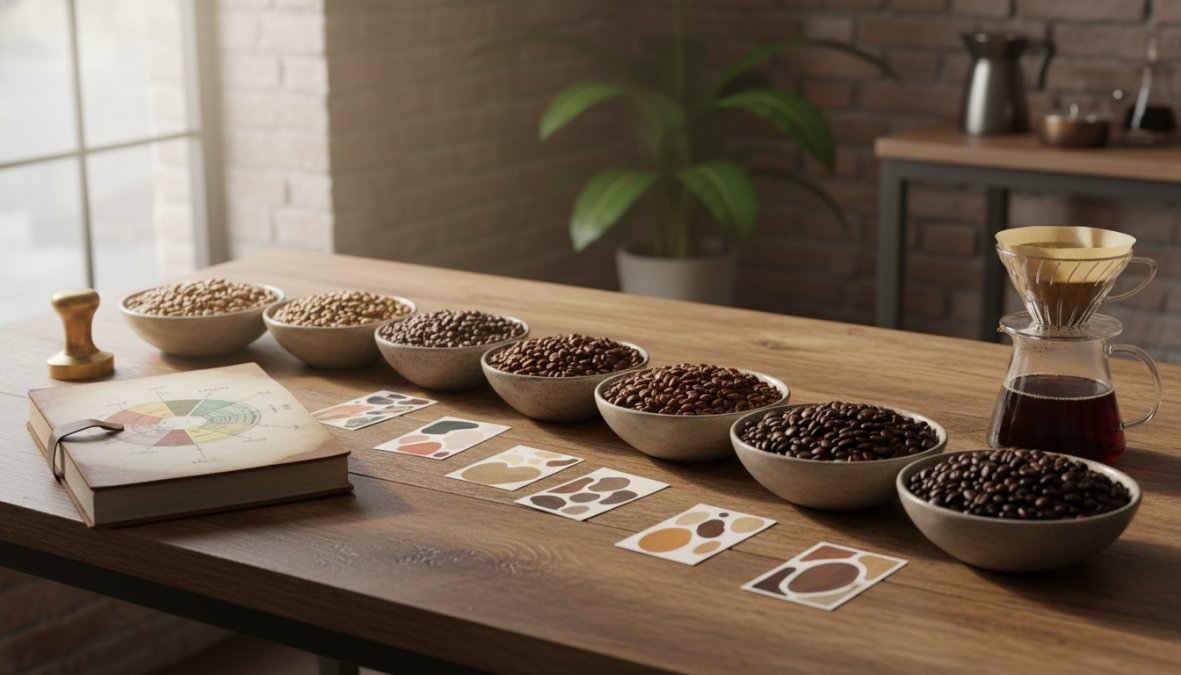
The best coffee roast for French press is medium to medium-dark, because immersion brewing methods extract more oils and body from the coffee bed, which complements the fuller mouthfeel of darker roasts without tipping into harsh bitterness.
Roast Pairings for Pour Over, Drip, AeroPress, and Moka Pot
Different brewing methods extract differently, and roast level should be matched accordingly.
Pour Over: Light to medium-light roast. Percolation brewing highlights acidity and clarity. Ethiopian or Colombian single-origins shine here. Counter Culture Big Trouble (medium-dark) works if you want something more approachable. Grind size should be medium-coarse; water temperature around 200°F (93°C).
Drip Coffee Maker: Medium roast is the safest choice. Drip machines vary in water temperature and brew time, so medium roast's forgiveness is an asset. Stumptown Holler Mountain (medium-light) or Lavazza Classico both perform reliably.
AeroPress: Versatile enough for any roast. Light roasts produce bright, clean cups with shorter steep times. Dark roasts produce espresso-adjacent concentrates. The AeroPress rewards experimentation with brew ratio and steep time more than any other method.
Moka Pot: Medium-dark to dark roast. The moka pot generates pressure that extracts aggressively, making light roast taste sour and thin. Dark roast's lower acidity and full body hold up well. Onyx Coffee Lab Monarch Blend, designed for espresso extraction, works exceptionally well here.
Espresso: Medium-dark to dark. Espresso requires precise grind size and consistent extraction. The Onyx Monarch Blend and Counter Culture Big Trouble are both well-suited. Light roast espresso exists and is excellent, but it demands a dialed-in burr grinder and significant practice.
Troubleshooting by Flavor Profile: Fix Your Cup Based on Taste
Most coffee problems trace back to extraction, not roast level. Knowing which direction you've gone wrong saves you from blaming the beans.
According to coffee extraction science resources at the Coffee Research Institute, under-extraction produces sour, weak, or salty flavors, while over-extraction produces bitter, dry, or hollow cups. Here's how to fix each:
Cup tastes sour or sharp:
- Grind finer to increase extraction
- Raise water temperature (light roast benefits from 205°F/96°C)
- Extend brew time or bloom time
- Check your brew ratio: too little coffee relative to water under-extracts
Cup tastes bitter or harsh:
- Grind coarser to reduce extraction
- Lower water temperature slightly
- Reduce brew time
- For dark roast: check bean freshness; stale dark roast goes bitter fast
Cup tastes flat or watery:
- Increase your coffee-to-water ratio (try 1:15 by weight instead of 1:17)
- Grind finer
- Verify your water is actually reaching the right temperature; many home drip machines run 10-15°F too cool
Cup tastes muddy or heavy:
- For French press: let grounds settle longer before pouring; try a slightly coarser grind
- Check your filter; paper filters remove more oils and fine particles than metal mesh
Budget-Friendly vs. Pro-Sumer Gear: Grind Size, Scales, and Burr Grinders
The biggest quality gap in home coffee isn't roast level or bean origin. It's grind consistency. A $20 blade grinder paired with excellent beans will produce a worse cup than a $150 burr grinder paired with average beans. This is the part most guides bury in footnotes.
For budget-conscious brewers, the priority order is: (1) fresh whole bean coffee, (2) a basic burr grinder, (3) a coffee scale, (4) filtered water. You can brew excellent coffee with a $40 manual burr grinder and a $15 kitchen scale. You cannot brew excellent coffee with a blade grinder, regardless of what you spend on beans.
Pro-sumer gear (grinders in the $200-600 range, precision kettles with temperature control, refractometers for measuring total dissolved solids) adds consistency and control, not magic. If you're brewing once a day for personal enjoyment, a mid-range burr grinder and a simple scale get you 90% of the way there.
As documented in home brewing guides from the Specialty Coffee Association, the recommended brew ratio for most methods is between 1:15 and 1:17 (coffee to water by weight). A scale makes hitting that ratio repeatable. Eyeballing it doesn't.
Why a Burr Grinder Changes Everything
A burr grinder uses two abrasive surfaces to crush coffee beans to a uniform particle size. A blade grinder chops randomly, producing a mix of fine powder and large chunks. That inconsistency means some particles over-extract (bitter) while others under-extract (sour) in the same cup. The result is a muddled flavor that no amount of roast quality can fix.
Burr grinders come in flat burr and conical burr configurations. Flat burr grinders tend to produce more uniform particle distribution and brighter flavor clarity. Conical burr grinders retain less coffee between uses (better for low-volume brewing) and tend to run quieter. Both are vastly superior to blade grinders for any roast level.
For light roast pour over, grind consistency matters most because the bright acidity amplifies extraction inconsistencies. For dark roast French press, a slightly less precise grind is more forgiving. But across the board, upgrading from blade to burr is the single highest-ROI equipment change a home brewer can make.
Top Coffee Roast Picks: What Is the Best Coffee Roast for Your Lifestyle?
Choosing what is the best coffee roast comes down to three questions: How do you brew? What flavors do you enjoy? How much precision are you willing to bring to the process?
Best for flavor complexity (light roast): Bones Coffee Company Ethiopia Single-Origin. Bright, floral, fruity. Demands a good burr grinder and precise water temperature. Rewarding for those willing to dial it in.
Best all-around (medium roast): Stumptown Holler Mountain or La Colombe Nizza. Versatile, approachable, consistent. Works in drip, pour over, and AeroPress without requiring obsessive precision.
Best for French press and espresso (medium-dark): Counter Culture Big Trouble. Caramel, chocolate, subtle smokiness. Extracts reliably across a range of grind sizes and brew times.
Best dark roast: Kicking Horse Kick Ass or Death Wish Coffee Dark Roast. Bold, full-bodied, low acidity. Death Wish is the pick if caffeine intensity matters; Kicking Horse if you want smoky sweetness.
Best for espresso specifically: Onyx Coffee Lab Monarch Blend. Award-winning, designed for espresso extraction, produces excellent crema. Premium price, but the quality justifies it for dedicated espresso drinkers.
Best for freshness-first buyers: Cuppari Coffee roasts only after your order is placed and ships the same day, with sealed capsules that keep oxygen out. For anyone who has ever opened a bag of "fresh" grocery store coffee and wondered why it tastes flat, the difference is immediately obvious. Free shipping on all U.S. orders makes it easy to try across roast levels without committing to a large quantity.
According to World Coffee Research's variety catalog and coffee quality resources, the Q Arabica Grader certification system evaluates beans on a 100-point scale, with specialty grade starting at 80 points. Buying from roasters who source Q-graded beans, regardless of roast level, is the baseline for consistently good coffee.
| Lifestyle | Recommended Roast | Top Pick |
|---|---|---|
| Flavor explorer | Light | Bones Ethiopia Single-Origin |
| Daily driver | Medium | Stumptown Holler Mountain |
| French press fan | Medium-Dark | Counter Culture Big Trouble |
| Espresso enthusiast | Medium-Dark to Dark | Onyx Monarch Blend |
| Caffeine priority | Dark | Death Wish Coffee Dark Roast |
| Freshness-first | Any | Cuppari Coffee (roast-to-order) |
Answering what is the best coffee roast is genuinely personal, but the framework is consistent: match roast to brewing method, prioritize freshness over everything else, and invest in a burr grinder before spending more on beans. Cuppari Coffee makes the freshness variable easy to solve by roasting only after your order is placed and shipping the same day, with sealed capsules that preserve aromatic compounds from roaster to cup. If you've been settling for stale grocery store coffee, add a bag to your cart and taste the difference fresh roasting actually makes.
Frequently Asked Questions
Which coffee roast has the most caffeine?
Contrary to popular belief, light roasts tend to have slightly more caffeine by weight than dark roasts because the roasting process breaks down caffeine over time. However, the difference is minor. If you measure by volume (scoops), dark roast beans are less dense, so you may use more beans per scoop, evening things out. For a meaningful caffeine boost, brewing method and brew ratio matter more than roast level alone.
What is the best coffee roast for a French press?
A medium to medium-dark roast is generally the best coffee roast for French press brewing. The immersion brewing method extracts oils and aromatic compounds fully, which complements the fuller body and lower acidity of these roast levels. Dark roasts can work well too, producing a bold, rich cup. Light roasts are possible but require careful attention to water temperature and steep time to avoid sourness from under-extraction.
Does roast level affect coffee acidity?
Yes, roast level significantly affects acidity. Light roasts retain more of the bean's natural organic acids, producing a brighter, more vibrant cup with higher perceived sourness. As roasting progresses, acids break down, so medium roasts offer a balanced acidity, while dark roasts have the lowest acidity and the most bitterness. If you have a sensitive stomach, a medium or dark roast with filtered water and a proper brew ratio is generally easier to tolerate.
Is light roast or dark roast better for beginners?
Medium roast is often the best starting point for beginners because it balances the bright, fruity notes of a light roast with the bold body of a dark roast. It is forgiving across most brewing methods, drip coffee maker, French press, or pour over, and tolerates slight variations in grind size and water temperature better than light roasts. Once you understand your flavor preferences, you can explore lighter or darker roast profiles with more confidence.
Which coffee roast is least bitter?
Light roasts are the least bitter because the Maillard reaction and caramelization that create bitter compounds are less developed at lower roasting temperatures. However, a poorly extracted light roast can taste sour rather than sweet. Medium roasts offer a pleasant middle ground with minimal bitterness. If you find dark roasts too bitter, try adjusting your grind size slightly coarser or lowering your water temperature by a few degrees to reduce over-extraction of bitter aromatic compounds.
How do I choose the best coffee roast for espresso?
Medium-dark to dark roasts are traditionally preferred for espresso because they produce a rich crema, full body, and low acidity that pairs well with milk-based drinks. However, many specialty baristas now use light or medium roasts for espresso to highlight unique origin flavors. If you use a light roast for espresso, expect to dial in a finer grind size and slightly higher water temperature. Whole bean coffee ground immediately before brewing always produces the best extraction results regardless of roast level.
This article was written using GrandRanker