

Table of Contents
- What Makes Specialty Coffee Different From Commodity Coffee
- High-Altitude Growing and Scarcity Drive Up Costs
- Processing Methods and Quality Control Add Significant Expense
- Fair Wages and Labor-Intensive Harvesting
- Supply Chain Transparency and Direct Trade Relationships
- Benefits of Freshly Roasted Coffee and Small-Batch Production
- How to Identify High Quality Coffee Beans Worth the Investment
- The True Cost-Per-Cup Breakdown
- Frequently Asked Questions
Last Updated: August 19, 2026
What Makes Specialty Coffee Different From Commodity Coffee
Specialty coffee is fundamentally different from commodity coffee. Specialty-grade beans score 80 points or higher on the Specialty Coffee Association's 100-point cupping scale, while commodity coffee is evaluated only for basic quality standards and lacks traceability to its origin.
Specialty coffee requires documentation of origin, altitude, varietal, and processing method. Each batch is traceable to specific farms or microlots. Commodity coffee blends beans from multiple sources with no origin transparency, prioritizing volume and cost reduction.
According to the Specialty Coffee Association's cupping standards, specialty-grade beans must demonstrate distinct flavor characteristics, proper development during roasting, and freedom from defects. A single defect automatically disqualifies a bean from specialty status.
Specialty coffee roasters adjust heat profiles, air flow, and timing based on each bean's specific characteristics. Commodity roasters apply a standardized profile to thousands of pounds of mixed beans.
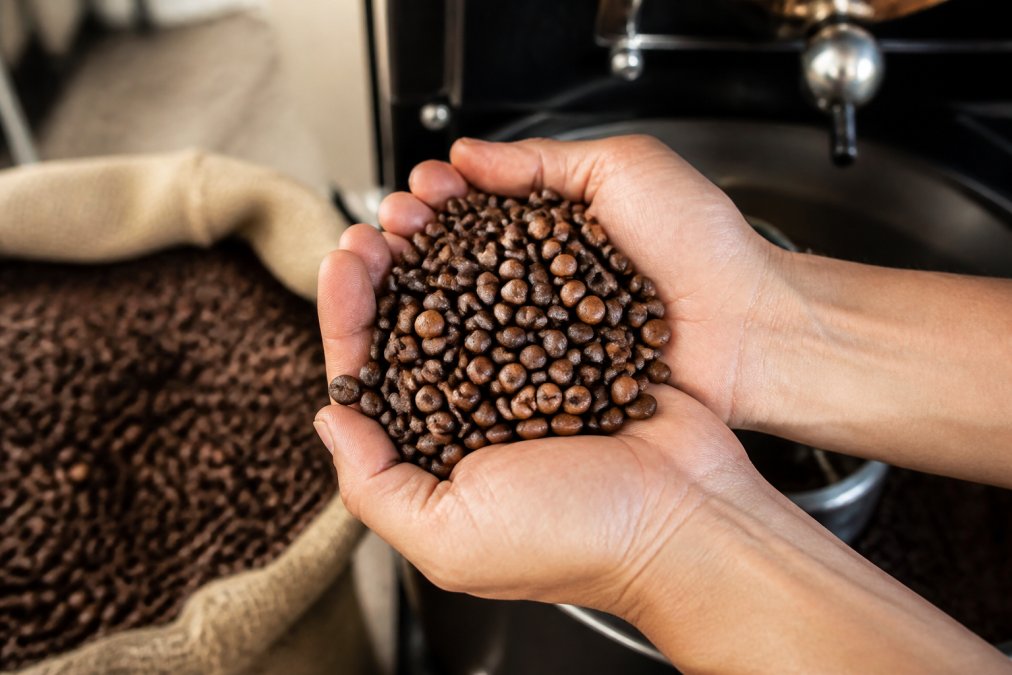
Specialty coffee loses its nuanced flavors rapidly after roasting. The optimal brewing window is 3-7 days post-roast, when CO2 has settled but volatile compounds remain intact. At Cuppari Coffee, we roast beans only after your order arrives, ensuring peak freshness, something impossible with pre-roasted commodity blends sitting on grocery store shelves for weeks.
High-Altitude Growing and Scarcity Drive Up Costs
Coffee plants grown above 3,500 feet elevation develop slower, allowing complex sugars and acids to accumulate in the bean. This extended maturation creates the depth of flavor that distinguishes specialty from commodity coffee.
High-altitude land is scarce, difficult to farm, and expensive to maintain. Farmers navigate steep terrain, limited road access, and challenging weather. Harvesting requires more labor, and transportation costs to processing facilities are higher.
Yield suffers at elevation. While sea-level commodity farms produce higher volumes per acre, they sacrifice flavor complexity. High-altitude specialty farms accept lower yields in exchange for superior cup quality, creating intentional scarcity that justifies the premium.
Labor becomes exponentially more difficult in mountainous regions. Workers must navigate steep slopes carrying heavy bags of ripe cherries, requiring higher compensation that directly increases production costs.
Climate volatility amplifies these challenges. High-altitude regions experience unpredictable weather patterns, late frosts, unexpected droughts, and intense rainfall. Some specialty coffee regions have already seen yield reductions due to shifting weather patterns, making remaining harvests even more valuable. When supply is limited and demand remains constant, prices rise.
Processing Methods and Quality Control Add Significant Expense
How coffee is processed after harvest determines much of its final flavor. Specialty coffee employs meticulous processing methods requiring time, labor, and infrastructure. Commodity coffee uses faster, cheaper methods prioritizing speed over quality.
The two primary processing methods are washed and natural. Washed processing involves removing the fruit from the bean immediately after harvest, then fermenting and drying. Natural processing leaves the fruit on the bean to dry, a slower process requiring controlled humidity and regular turning.
Specialty producers often employ intermediate methods: honey processing, anaerobic fermentation, or extended fermentation. These techniques demand specialized equipment, trained staff, and constant quality monitoring. Each variation costs more than the baseline method but produces distinct flavor outcomes.
Quality control is relentless in specialty coffee. Producers sort beans by hand or machine to remove defects, test moisture content obsessively, and monitor fermentation temperatures. Commodity coffee skips these steps, processing quickly with minimal sorting and basic safety standards only.
A specialty coffee farmer might spend $0.50-$1.00 more per pound on processing alone compared to commodity production. Multiply that across thousands of pounds, and processing costs become a significant portion of the final retail price.
Fair Wages and Labor-Intensive Harvesting
Coffee is picked by hand. Mechanical harvesting damages specialty coffee cherries, so workers must select ripe fruit individually. This labor-intensive reality drives costs upward and creates an ethical dimension to specialty coffee pricing.
A specialty coffee farm employs more workers than a commodity operation producing the same volume. Selective harvesting means workers spend more time per pound of coffee harvested, raising wages across the entire supply chain.
Fair trade and direct trade models, common in specialty coffee, ensure farmers and workers receive equitable compensation. Commodity coffee often relies on lower-wage labor with minimal oversight of working conditions.
Worker expertise matters. Specialty coffee harvesting requires training to identify ripe cherries and avoid unripe fruit. Farms invest in training programs and pay experienced pickers premium wages. Specialty coffee producers increasingly provide worker housing, health insurance, and education support, improving retention and harvest quality.
At Cuppari Coffee, we prioritize transparency in our supply chain. We work directly with farmers who pay fair wages and maintain safe working conditions. This commitment to ethical sourcing is reflected in our pricing.
Supply Chain Transparency and Direct Trade Relationships
Specialty coffee's premium price reflects a fundamentally different supply chain model. Direct trade and transparent sourcing require infrastructure, communication, and relationship-building that commodity coffee avoids.
In commodity coffee, beans pass through multiple middlemen. Each intermediary takes a margin, and the farmer receives a small fraction of the final retail price. Transparency disappears entirely.
Direct trade cuts out middlemen. Roasters work directly with farmers or producer cooperatives. This relationship requires travel, communication, sample evaluation, and relationship maintenance. It's more expensive than buying commodity lots through brokers, but it ensures farmers receive a larger share and roasters understand exactly what they're purchasing.
Traceability demands documentation. Specialty roasters track coffee from farm to cup, recording the farmer's name, farm location, altitude, harvest date, processing method, and roasting profile. Commodity coffee doesn't require this level of record-keeping.
Direct trade relationships often span years, allowing farmers to invest in their operations with confidence. Specialty coffee companies employ sourcing managers, maintain relationships across multiple countries, conduct regular farm visits, and maintain detailed documentation systems. These operational costs are baked into the final price.
Benefits of Freshly Roasted Coffee and Small-Batch Production
Freshly roasted coffee tastes objectively better than stale coffee. Coffee releases CO2 immediately after roasting. Between days 3-7, CO2 settles and volatile flavor compounds remain intact, the optimal brewing window. After 14 days, flavor degradation accelerates noticeably. After 30 days, the coffee tastes noticeably stale.
Specialty coffee roasters respect this timeline. They roast in small batches, typically 5-25 pounds at a time, ensuring freshness and precise control over roasting profiles.
Commodity coffee sits in warehouses for weeks or months before reaching consumers. By the time it's brewed, most volatile compounds have dissipated, tasting flat and one-dimensional.
Small-batch roasting costs more per pound than large-batch commodity roasting. Equipment runs less efficiently at small scale, labor per unit increases, and packaging costs rise. But the quality difference justifies the cost.
Cuppari Coffee roasts beans only after you place an order, then ships the same day. This guarantees maximum freshness, coffee at its absolute peak, a product that commodity roasters simply cannot offer.
How to Identify High Quality Coffee Beans Worth the Investment
Look for a cupping score. Specialty coffee should display the Specialty Coffee Association cupping score on the package. Scores of 80-85 indicate good specialty coffee; 85-90 indicate excellent coffee; above 90 are exceptional.
Origin specificity matters enormously. Specialty coffee identifies the country, region, farm, or microlot. Commodity coffee says only "product of multiple countries" or lists a vague region.
Processing method should be documented. Look for terms like "washed," "natural," "honey processed," or "anaerobic fermented." Unlabeled processing suggests commodity coffee.
Roast date is critical. Specialty coffee should display the roast date prominently. Coffee roasted within the past 2 weeks is ideal; more than 30 days old is stale.
Flavor notes should be specific and credible. Specialty roasters describe actual tasting characteristics: "bright acidity," "chocolate and hazelnut," "floral notes," "fruit-forward." Vague descriptions suggest the roaster didn't cup the coffee carefully.
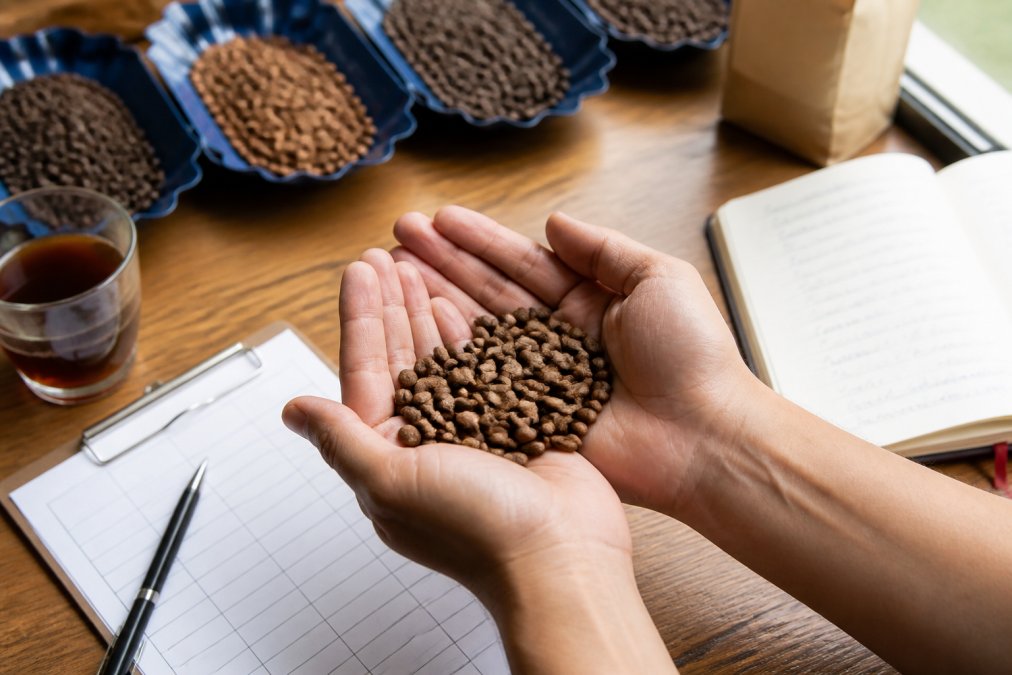
Price should reflect quality. Specialty coffee costs 50-100% more per pound than commodity coffee. If labeled "specialty" but priced identically to supermarket brands, something is wrong.
Specialty coffee comes in valve bags that allow CO2 to escape without letting oxygen in. Quality packaging protects the coffee from light and air exposure.
The True Cost-Per-Cup Breakdown
A typical specialty coffee costs between $15-$25 per pound retail. A pound yields approximately 16 cups of brewed coffee, meaning the coffee itself costs roughly $0.95-$1.55 per cup. Commodity coffee at $5-$8 per pound yields approximately $0.30-$0.50 per cup. Specialty coffee costs 3-5 times more per cup, but the quality difference is proportionally larger.
The cost breakdown for a pound of specialty coffee:
Farmer compensation represents 15-25% of retail price. A specialty coffee farmer might receive $2.00-$4.00 per pound for exceptional coffee, compared to $0.50-$1.00 for commodity coffee. This difference alone accounts for $1.50-$3.00 per pound.
Processing, drying, and milling add 10-15% to the cost, roughly $0.50-$1.50 per pound.
Transportation and import costs represent 5-10%, adding roughly $0.25-$0.75 per pound.
Roasting and packaging account for 20-30% of retail price, adding $3.00-$7.50 per pound. Small-batch roasting is less efficient than large-batch commodity roasting, and specialty packaging is more expensive.
Marketing, distribution, and retail margins comprise the remaining 20-35%. Specialty roasters invest in education, storytelling, and direct relationships with consumers.
When you pay $18 per pound for specialty coffee versus $6 per pound for commodity coffee, you're not overpaying. You're paying the actual cost of producing quality coffee ethically and transparently.
Specialty coffee's premium pricing reflects genuine differences in production, processing, and supply chain practices. Understanding these differences transforms the conversation from "why is specialty coffee so expensive?" to "why is commodity coffee so cheap?"
Commodity coffee sacrifices flavor complexity, farmer compensation, environmental stewardship, and transparency to minimize costs. Specialty coffee rejects those shortcuts. The premium you pay goes directly to better-tasting coffee, fairly compensated farmers, and supply chain transparency.
At Cuppari Coffee, we've built our entire model around specialty coffee principles. We roast beans only after your order arrives, ensuring maximum freshness. We work directly with farmers who receive fair compensation. We document every step of the supply chain. If you've been drinking commodity coffee, the difference in your first cup of specialty coffee will make the premium immediately obvious.
Frequently Asked Questions
What defines coffee as specialty grade versus commodity coffee?
Specialty coffee scores 80 points or higher on a 100-point cupping scale, while commodity coffee falls below 80. Specialty grade requires specific altitude, processing methods, and quality control standards. It represents less than 5% of global coffee production. Commodity coffee prioritizes volume and cost, while specialty coffee emphasizes traceability, flavor profile, and sustainability practices throughout the supply chain.
Why does freshly roasted coffee cost more than pre-roasted beans?
Freshly roasted coffee requires small-batch roasting operations that cannot achieve the economies of scale of mass production. Roasting after purchase preserves volatile flavor compounds that degrade over time. The cost reflects premium logistics (roasting and shipping the same day), quality control testing, and the loss of shelf-stable inventory that allows bulk discounts. You pay more upfront but receive superior flavor and freshness that lasts weeks rather than months.
How much does climate change affect specialty coffee pricing?
Climate volatility has reduced suitable growing regions and increased crop failures. High-altitude areas face temperature fluctuations and irregular rainfall that damage yields. Droughts in major producing regions have tightened supply, pushing prices upward. As climate challenges intensify, scarcity will continue driving specialty coffee costs higher, making current premiums likely to increase further in coming years.
What should I look for when identifying high quality coffee beans?
Look for single-origin or micro-lot beans with roast dates clearly printed on the package. Check for a cupping score (80+) or specialty grade certification. The beans should appear uniform in color and size, with an oily sheen indicating proper roasting. Reputable roasters provide traceability information, including the farm or cooperative name and altitude. Avoid beans without roast dates or those stored in clear containers exposed to light.
This article was written using GrandRanker