

Table of Contents
- What Makes Subscription Coffee Services Different
- Freshness Guaranteed: Roast-to-Doorstep Timing
- Convenience and Scheduled Home Delivery
- Coffee Variety and Discovery
- Are Coffee Subscriptions Worth It
- Coffee Subscription Cost and Value Comparison
- Finding the Best Coffee Subscription Service for Your Needs
- Potential Drawbacks and How to Avoid Them
- Frequently Asked Questions
Last Updated: October 10, 2026
What Makes Subscription Coffee Services Different
Subscription coffee services deliver freshly roasted beans directly to your door on a schedule you control. Unlike grabbing bags from a grocery shelf, these services roast coffee after you order it, then ship within 24 hours. The difference in freshness is immediate and noticeable.
The core advantage of subscription coffee services is timing: most retail coffee sits in warehouses for weeks or months, while subscriptions deliver beans at their peak, within days of roasting.
Subscriptions also solve a practical problem: you get consistent supply without running out unexpectedly or accumulating stale stock.
Freshness Guaranteed: Roast-to-Doorstep Timing
The ideal window for peak coffee flavor is 3-7 days after roasting. Within this window, the beans have degassed enough to brew well but haven't begun losing their volatile aromatic compounds. Most subscription services, including Cuppari Coffee, roast beans only after an order is placed and ship the same day.
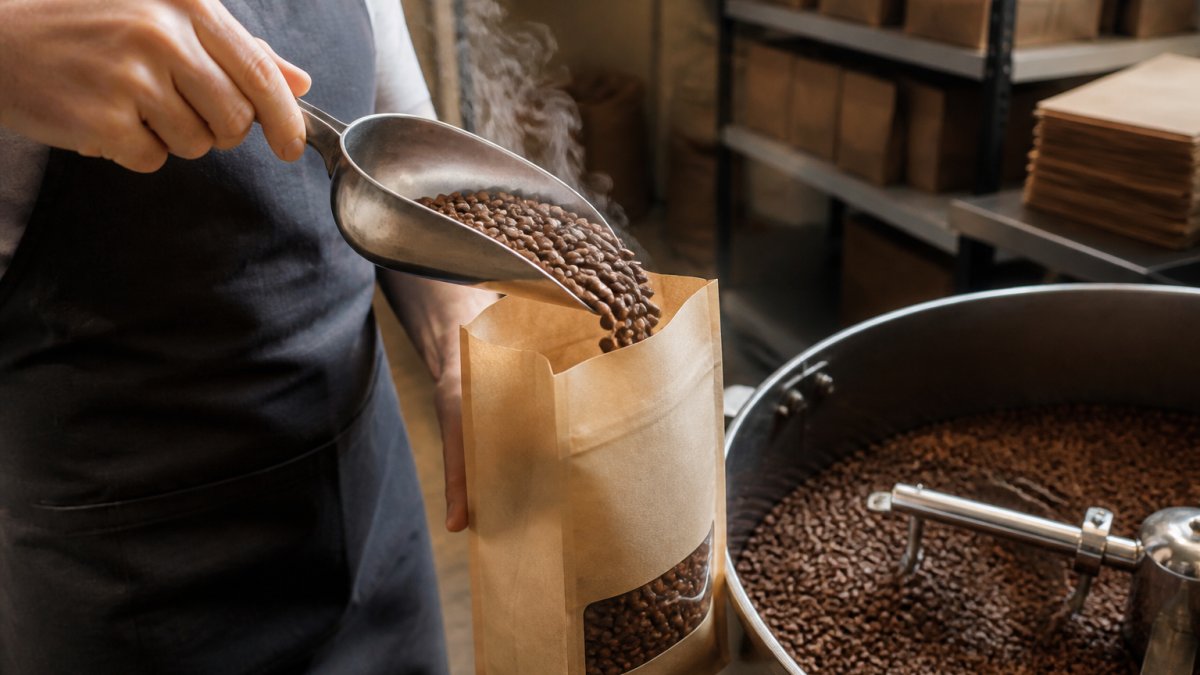
Retail coffee from major chains is often roasted 2-4 weeks before purchase, losing the flavor notes that make specialty roasts worth buying. Tasting notes like berry or chocolate require freshness to shine through.
Subscription beans arrive in the critical 3-7 day window, delivering noticeably brighter flavors and more pronounced aromatics than older retail coffee.
Convenience and Scheduled Home Delivery
Scheduled delivery removes the friction of coffee shopping. Your coffee arrives on your timeline, weekly, biweekly, or monthly, with the ability to pause or skip anytime.
This consistency prevents running out unexpectedly or settling for inferior backup coffee, since you control the schedule.
Cuppari Coffee offers free shipping on all U.S. orders, which removes a common friction point in online coffee purchasing. No minimum order thresholds, no surprise shipping costs. This makes the subscription economically sensible even for smaller households.
Coffee Variety and Discovery
Subscription services offer a wide variety of single-origin coffees and blends, preventing monotony and encouraging exploration.
Each roaster sources differently and emphasizes distinct flavor characteristics. Cuppari Coffee's catalog includes Brazil Santos with cocoa notes, Colombia with dried orange and berry, and Ethiopia Natural with milk chocolate and fruity tones.
Subscribers often discover that flavor profiles subtle in stale retail coffee become obvious with fresher, higher-quality beans.
| Subscription Benefit | What It Means | Why It Matters |
|---|---|---|
| Freshness window | Beans arrive 3-7 days post-roast | Peak flavor and aroma |
| Scheduled delivery | You set frequency and timing | No stockouts or waste |
| Variety access | 20+ origins vs. 5-10 retail options | Prevents monotony, enables discovery |
| Free shipping | No added costs on U.S. orders | True cost transparency |
| Customization | Choose roast levels and origins | Matches your brewing preference |
Are Coffee Subscriptions Worth It
Whether a subscription is worth it depends on how much coffee you drink, how much you value freshness, and whether you brew at home regularly.
If you drink 1-2 cups daily and care about flavor, a subscription makes financial and quality sense. The freshness premium justifies the cost, and subscriptions typically cost the same or less than premium retail while delivering superior freshness.
If you drink coffee occasionally, subscriptions are less compelling, you may accumulate excess stock. Subscriptions work best for people who prioritize quality and consume coffee regularly.
The key question is whether a subscription fits your situation. If fresh, quality coffee is part of your routine, a subscription removes friction. If coffee is an afterthought, it's unnecessary.
Coffee Subscription Cost and Value Comparison
Cuppari Coffee prices single-origin coffees at $21.99 per bag, with each bag brewing 12-16 cups.
To understand true cost, break down the full picture:
Per-Cup Cost Across Purchase Methods
- Subscription service: $1.40-$1.80 per cup (based on $21.99 bag ÷ 12-16 cups)
- Specialty café: $5.00-$7.00 per cup
- Premium retail (grocery store): $2.00-$3.50 per cup
- Bulk commodity coffee (warehouse clubs): $0.80-$1.20 per cup
Subscriptions cost significantly less than specialty cafés but more than commodity bulk coffee, reflecting freshness, sourcing quality, and roast-to-order timing.
Hidden Costs to Verify Before committing, confirm:
- Shipping: Cuppari Coffee offers free shipping on all U.S. orders. Other services may charge $5-$10 per shipment.
- Minimum commitment: Some services require 3- or 6-month commitments before cancellation.
- Pause and skip policies: Verify you can pause without penalty or skip months without losing your subscription.
- Cancellation process: Transparent, one-click cancellation signals customer-friendly terms.
Monthly Budget Example If you drink 3 cups daily and order monthly:
- 90 cups per month ÷ 14 cups per bag = 6.4 bags needed
- 6.4 bags × $21.99 = $140.74 per month
- Shipping: $0 (free on all orders)
- Total: $140.74, or $1.56 per cup
If the same household bought premium retail coffee at $2.50 per cup, the monthly cost would be $225.
When Subscriptions Cost More Subscriptions make less financial sense if:
- You drink fewer than 1-2 cups daily and buy only what you need from retail
- You have access to a local specialty roaster with similar freshness and pricing
- You're willing to buy commodity coffee and accept lower flavor quality
The value proposition is strongest for regular home brewers who currently buy premium retail or café coffee. For occasional drinkers, the per-cup savings don't offset the commitment risk of accumulating unused inventory.
Finding the Best Coffee Subscription Service for Your Needs
Choosing a subscription service requires evaluating three criteria: sourcing quality, roast variety, and flexibility.
Sourcing quality matters because it determines the baseline flavor potential. Services that work directly with growers or participate in direct-trade relationships typically offer higher quality beans than those buying commodity coffee. Cuppari Coffee sources from specific growers and regions, the Guatemala comes from smallholder farmers in Antigua, the Peru from the Piura and Amazonas regions, which ensures traceability and consistent quality.
Roast variety prevents monotony. Look for services offering a good selection of different origins or blends to choose from. This gives you genuine selection rather than forcing you into a preset rotation.
Flexibility is the third factor. Can you pause without penalties? Skip months? Change delivery frequency? These options matter because coffee consumption varies seasonally and life circumstances change. Services that restrict flexibility often frustrate subscribers who suddenly have excess inventory.
Potential Drawbacks and How to Avoid Them
Subscription coffee services offer real benefits, but they come with trade-offs worth understanding before committing.
Commitment and Inventory Risk Unlike retail shopping where you buy only what you need, a subscription creates an ongoing obligation. If your consumption drops, your taste preferences shift, or life circumstances change, you might find yourself with excess coffee. The solution is straightforward: start with a frequency you're confident you'll use, typically monthly rather than quarterly, then adjust based on actual consumption. Most services allow pauses or skips without penalty, so there's no permanent lock-in. However, verify this upfront; some services charge fees for pauses or require advance notice.
Delivery Reliability and Accessibility Subscription services depend on consistent shipping. Potential issues include:
- Delivery delays: Packages can be delayed by weather, carrier issues, or service backlog. If you rely on a subscription arriving by a specific date and it's late, you might run out of coffee unexpectedly.
- Geographic limitations:
- Carrier variability: Services typically use USPS, UPS, or FedEx. Delivery speed and reliability vary by carrier and region.
Mitigation: Choose a service with transparent delivery tracking, a clear service area map, and customer support that responds quickly to missed or delayed shipments.
Freshness Claims vs. Actual Practice Not all subscription services prioritize freshness equally. Some roast in batches and store inventory, then ship from stock, which defeats the purpose of the subscription model. Beans roasted weeks before shipping arrive stale, offering no advantage over retail coffee. Verify that your chosen service:
- Roasts after you place an order (not from pre-roasted inventory)
- Ships the same day or next business day
- Prints a roast date on every bag
- Guarantees delivery within 7 days of roasting
Cuppari Coffee's model, roasting after order placement and shipping the same day, ensures you receive beans in the optimal 3-7 day freshness window. Services that don't publish roast dates or shipping timelines are a red flag.
Selection Inflexibility Some subscription services offer limited choice: you either accept their preset monthly selection or pay extra to customize. This creates friction if:
- You dislike the featured roast for a given month
- You want to repeat a favorite coffee but it's not available
- You prefer a specific roast level (light, medium, dark) and the service doesn't offer it
Look for services that let you choose your own coffee each month from their full catalog, with no upcharge for customization. This prevents frustration and ensures you're paying for coffee you actually want.
Storage and Staleness After Delivery Fresh coffee requires proper storage to maintain quality. Common mistakes include:
- Storing beans in the original bag without sealing it
- Keeping beans on a sunny windowsill or above a stove
- Storing ground coffee instead of whole beans (ground coffee stales in days, not weeks)
Keep whole beans in an airtight container away from heat, light, and moisture. Whole beans stay fresh for 2-3 weeks after arrival if stored correctly, giving you a reasonable window before quality declines. If you receive a bag and can't use it within 2-3 weeks, pause your next delivery.
Cancellation Friction Some services make cancellation deliberately difficult: no online option, slow email responses, or pressure to stay. Before subscribing, test the cancellation process:
- Can you cancel online, or only via email/phone?
- Does the service require a reason or try to retain you with discounts?
- How long does it take to process a cancellation request?
Services with transparent, one-click cancellation are more trustworthy than those that hide the option or create friction. This is a signal of customer-friendly business practices.
Frequently Asked Questions
What are the main benefits of a subscription coffee service?
Subscription coffee services deliver freshly roasted beans directly to your home on a schedule you control. You get access to premium single-origin and specialty coffees, guaranteed freshness since beans are roasted after your order, free shipping on all U.S. orders, and the convenience of never running out of quality coffee. You also discover new origins and roast profiles without the hassle of shopping.
Are coffee subscriptions worth it compared to buying coffee at the grocery store?
Yes, if freshness and quality matter to you. Grocery store coffee sits on shelves for weeks or months, losing flavor and aroma. Subscription services roast beans the same day you order, preserving peak freshness. At $21.99 per bag with free shipping, you're paying for beans roasted within days of brewing, not months-old inventory. For daily coffee drinkers who prioritize taste, the difference is noticeable.
How much does a coffee subscription typically cost?
Premium freshly roasted coffee subscriptions from Cuppari Coffee cost $21.99 per bag with free shipping on all U.S. orders. Most services let you choose delivery frequency (weekly, biweekly, monthly) and pause anytime, so you only pay for what you'll drink. Unlike grocery store coffee, you're not paying for shelf space or stale inventory, you're paying for beans roasted the same day you order.
Can I customize my subscription or pause it if I have too much coffee?
Yes. Most subscription services, including quality providers, allow you to choose your delivery frequency, skip months without penalty, and pause anytime. You control how often coffee arrives based on your consumption rate. This flexibility prevents the common complaint of receiving too much coffee before you finish what you have.