

Table of Contents
- Why Timing Matters: The Coffee Degassing Process
- Coffee Resting Period by Roast Level
- Rest Periods by Brew Method: Espresso vs. Pour Over
- Signs of Under-Rested Coffee and How to Adjust
- How to Store Coffee Beans Fresh After Roasting
- The Impact of Processing Method and Bean Density on Resting
- When to Drink Coffee After Roasting: A Quick Decision Guide
- Frequently Asked Questions
Last Updated: September 28, 2026
Why Timing Matters: The Coffee Degassing Process
Freshly roasted coffee needs time to release carbon dioxide before it tastes its best. This process, called degassing, is the single biggest factor in deciding when to drink coffee after roasting. At Cuppari Coffee, we roast beans only after an order is placed and ship the same day, so our customers regularly ask how long to wait before brewing.
Here's the core problem. Right after roasting, beans hold a large amount of CO2 trapped inside their cell structure. That gas has to escape. If you brew too soon, the CO2 fights your water for space, and the cup tastes flat, sharp, or oddly sour.
How CO2 Release Affects Extraction and Flavor
Carbon dioxide pushes water away from the coffee grounds. During brewing, water needs to dissolve sugars, acids, and oils to build a full flavor profile. When CO2 is still pouring out, water can't do its job well.
You'll notice this most during the bloom in a pour over. A very fresh coffee puffs up fast and big. That looks impressive, but it also means the gas is still dominating the grounds. Roasters and baristas generally treat a huge, aggressive bloom as a sign the coffee needs more rest.
The fix is simple: give the beans time. As CO2 leaves, extraction becomes more even, and you taste sweetness and body instead of sharp, hollow notes.
Coffee Resting Period by Roast Level
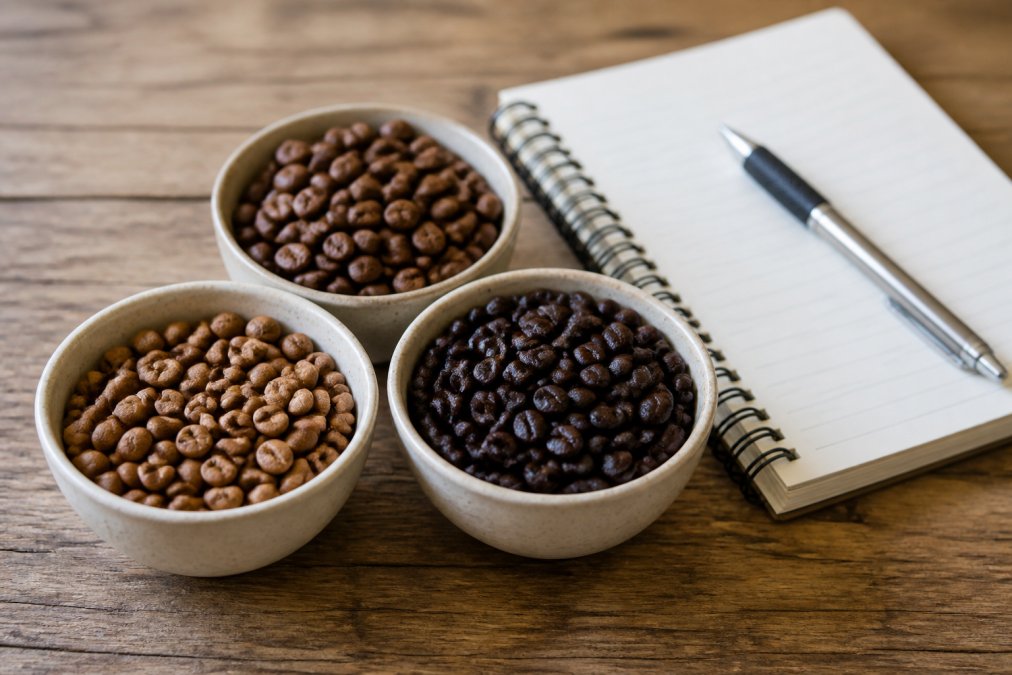
Resting time depends mostly on roast level, but the reason is more interesting than most guides admit. The key variables are how much CO2 is generated during roasting, how porous the bean becomes, and how much of that gas is still trapped when the roast ends.
Darker roasts degas faster in absolute terms because the roasting process fractures more of the bean's cell walls. But they also finish the roast with a more porous, less structurally stable bean, and that porosity cuts both ways. Gas escapes quickly, yet oxygen also gets in quickly, so a dark roast can taste harsh and ashy early and then go flat sooner than a light roast. That is why the dark-roast window is both later and narrower.
Light Roasts: 3-5 Days
Light roasts keep their cell structure more intact. That means slower CO2 release and a longer wait. Aim for 3 to 5 days after the roast date before brewing. Many light roasts hit peak flavor closer to day 5 than day 3.
Light roasts also tend to be denser and higher-grown, which slows gas migration through the bean. A useful check: if the bloom on day 3 is still foaming aggressively and collapsing fast, the beans are not ready. Wait another day and try again.
Medium Roasts: 5-7 Days
Medium roasts sit in the middle. They shed gas at a moderate pace, so 5 to 7 days is a solid window. This is the range most daily drip drinkers land on.
Medium roasts are the most forgiving because they balance porosity and structure. They are also the easiest to over-rest, past about day 10, medium roasts often start losing the sweetness that made them taste balanced at day 6.
Dark Roasts: 7-10 Days
This surprises people. Dark roasts actually need the longest rest, not the shortest. The heat of a dark roast drives off more CO2 during roasting itself, but it also leaves the bean more porous and unstable. Those beans can taste harsh and ashy early on. Give them 7 to 10 days to settle into their chocolate and caramel notes.
A common pattern among home roasters is that dark roasts taste best around day 8 and begin to fade by day 12.
| Roast Level | Rest Period | Peak Flavor Window | Why |
|---|---|---|---|
| Light | 3-5 days | Around day 5 | Dense, intact cell structure; slow CO2 release |
| Medium | 5-7 days | Day 5-7 | Balanced porosity and structure |
| Dark | 7-10 days | Day 7-10 | High porosity; fast degas but fast oxidation |
Rest Periods by Brew Method: Espresso vs. Pour Over
Brew method changes the ideal rest window. Espresso is the pickiest. The high pressure and short contact time leave little room for error, so under-rested beans pull sour, thin shots. Most espresso drinkers find their best results at 7 to 10 days after roasting.
Signs of Under-Rested Coffee and How to Adjust
You can spot under-rested coffee without any special tools. The clues show up in the cup and in the bloom.
Watch for these signs:
- A bloom that foams up violently and collapses fast
- Sour, sharp, or hollow flavors with no sweetness
- A thin body that feels watery
- A shot that runs too fast through the espresso machine
How to Store Coffee Beans Fresh After Roasting
Good storage slows oxidation and protects the flavors you waited for. The goal is simple: keep oxygen out and keep the beans cool and dark.
Valve Bags, Airtight Containers, and Freezing
Valve bags are the standard for a reason. The one-way valve lets CO2 escape without letting oxygen in. If your beans arrive in a valve bag, keep them there.
The Impact of Processing Method and Bean Density on Resting
Two factors most guides skip: how the bean was processed and how dense it is. Both shift your rest window, and together they explain why two coffees at the same roast level can taste ready on different days.
Processing Method: Washed vs. Natural vs. Honey
Washed coffees tend to be denser and cleaner. The mucilage is removed before drying, so the bean dries evenly and keeps a tight cell structure. That structure slows CO2 release, which is why washed coffees often need a little more rest to open up, think the upper end of the roast-level window rather than the lower end.
Bean Density and Altitude
Bean density matters too. High-grown, dense beans hold structure longer and degas more slowly. Coffee grown at higher elevations develops more slowly, which produces a denser bean with tighter cell walls. Softer, lower-grown beans release gas faster.
Climate and Ambient Conditions
Climate plays a role as well. Beans rest faster in warm, humid air and slower in cool, dry conditions. A kitchen in summer and a kitchen in winter are not the same resting environment. Warm air increases molecular activity and speeds CO2 migration out of the bean; cool, dry air slows it.
When to Drink Coffee After Roasting: A Quick Decision Guide
Use this to pick your brew day. Start with your roast level, then adjust for method.
- Check the roast date on the bag.
- Pick your base window: light 3-5 days, medium 5-7, dark 7-10.
- Add 2-3 days if you brew espresso.
- Subtract 1-2 days if you brew pour over or drip.
- Taste every day and stop when the cup tastes sweet and balanced.
Frequently Asked Questions
How long should you let coffee sit after roasting?
The ideal rest period depends on roast level and brew method. Light roasts need 3-5 days, medium roasts 5-7 days, and dark roasts 7-10 days. For espresso, wait 7-10 days after the roast date to avoid excessive CO2 interfering with extraction. For pour over, 3-5 days often works well. Always check the roast date on the bag, not the purchase date, because coffee starts degassing immediately after roasting. If you brew too soon, you may notice sourness or uneven extraction.
What happens if you brew coffee too soon after roasting?
Brewing too soon means carbon dioxide is still escaping rapidly from the beans. This CO2 repels water, causing uneven extraction. You may taste sourness, a lack of sweetness, or a thin body. In espresso, the puck can become unstable, leading to channeling and inconsistent shots. For pour over, the bloom may bubble excessively and the bed may not settle evenly. Waiting a few extra days allows the CO2 to dissipate, so water can extract flavors more evenly and you get a balanced cup.
Does roast level affect how long coffee needs to rest?
Yes. Darker roasts are more porous because the longer roasting time breaks down cell structure, so they degas faster but also oxidize faster. However, many brewers find dark roasts taste better after 7-10 days because the intense CO2 release subsides and the roasty notes mellow. Light roasts, which are denser, degas more slowly and often peak at 3-5 days. Medium roasts fall in between at 5-7 days. These are general guidelines; your taste buds are the final judge.
How should I store coffee beans to keep them fresh after roasting?
Store beans in an airtight container away from light, heat, and moisture. A valve bag works well because it lets CO2 escape without letting oxygen in. Keep the container in a cool, dark cupboard, not the fridge. For longer storage, freeze beans in a sealed bag and grind from frozen. Avoid buying more than a 2-3 week supply unless you freeze it. Always check the roast date and use within 2-4 weeks for best flavor. Cuppari Coffee roasts and ships the same day, so you get maximum freshness.
The hardest part of fresh coffee is the wait. Get the timing right and every cup tastes fuller and sweeter. Cuppari Coffee makes that easier by roasting only after your order and shipping the same day, with free shipping on all U.S. orders and sealed capsules that keep oxygen out. Get started with Cuppari Coffee and taste freshly roasted coffee at its peak.